Most customers don’t call us because they woke up one morning wanting to rent a UPS. Usually, something else is happening.
Maybe a facility is planning an electrical shutdown. Maybe a piece of critical equipment can’t risk losing power during maintenance. Sometimes a project has grown larger than expected, and suddenly backup power becomes part of the conversation. That’s typically where we come in.
One thing we’ve noticed over the years is that customers who ask the most questions before renting equipment usually have the smoothest projects. That’s not a coincidence. The right UPS can protect critical operations. The wrong approach can create unnecessary headaches.
If you’re considering a UPS system rental in Jacksonville, here are some of the questions we think are worth asking before making a decision.
- How Do You Know What Size UPS We Actually Need?
- Have You Worked on Projects Like Ours Before?
- What Happens If the Project Doesn't Go According to Plan?
- Is a UPS the Only Equipment We'll Need?
- How Will Power Transition During the Project?
- What Kind of Support Is Available?
- Have You Identified Any Concerns With Our Plan?
- How Does the UPS Work With the Rest of the Temporary Power Setup?
- The Best Projects Usually Start With Good Questions
- Final Thoughts
How Do You Know What Size UPS We Actually Need?
This is usually one of the first conversations we have. A lot of people assume they already know what size system they need. Sometimes they’re right. Sometimes they’re not.
We’ve worked with customers who requested enough backup power to support an entire facility, only to discover that only a handful of systems truly needed protection. We’ve also seen projects where critical equipment wasn’t included in the original plan at all.
That’s why we always start with questions.
- What equipment needs protection?
- How long does it need to stay online?
- What happens if power is interrupted?
The answers tell us far more than a list of equipment specifications ever could.
Have You Worked on Projects Like Ours Before?
Not all temporary power projects look the same. A hospital has different concerns than a manufacturing plant. A data center has different priorities than a construction project. One thing we’ve learned is that experience matters.
We’ve had conversations with customers who spent weeks researching equipment but hadn’t considered some of the operational challenges that come with their specific industry. A provider who has worked on similar projects can often spot potential issues before they become problems. Sometimes that experience ends up being just as valuable as the equipment itself.
What Happens If the Project Doesn’t Go According to Plan?
If you’ve managed enough projects, you already know the answer.
- Something changes.
- The schedule moves.
- Additional work gets added.
- A three-day shutdown turns into five.
We’ve seen it happen more times than we can count. That’s why we encourage customers to ask what happens if the project evolves after equipment is already on-site.
- Can additional capacity be added?
- Can the rental period be extended?
- What options are available if requirements change?
Those conversations are a lot easier to have before a project begins than during an unexpected delay.
Is a UPS the Only Equipment We’ll Need?
Sometimes it is. Sometimes it isn’t. We’ve worked with customers who initially called about a UPS power rental in Jacksonville, only to realize their project involved several moving parts. Generators are often part of the equation. Transfer switches may be needed. Distribution equipment can become important depending on the setup.
The point isn’t to rent more equipment. It’s to make sure the entire temporary power strategy works together. That’s why we spend a lot of time discussing the project itself rather than focusing only on the UPS.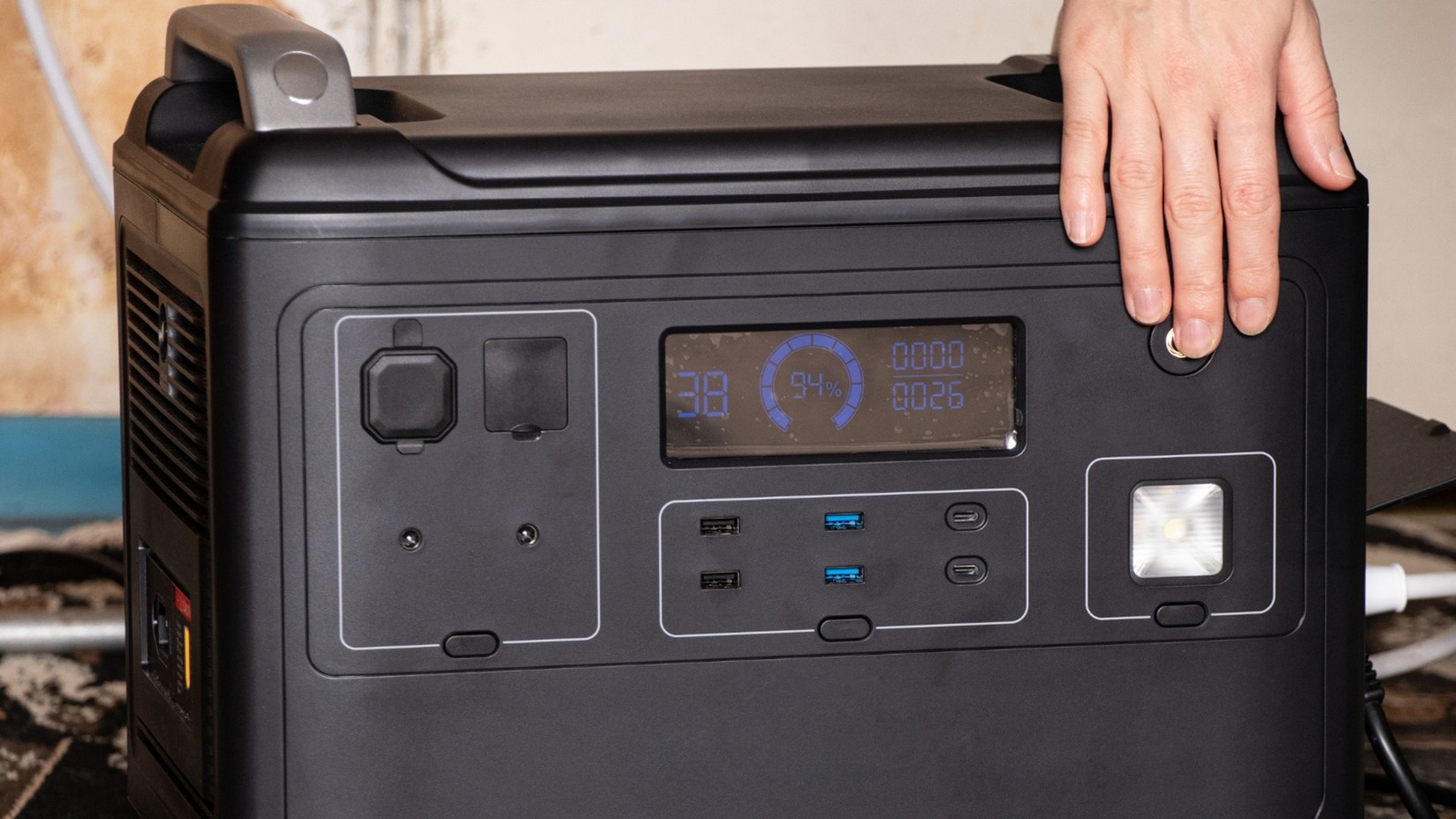
How Will Power Transition During the Project?
This is a question that doesn’t always get asked early enough. People often focus on having backup power available, which makes sense. But what happens when utility power goes away? What happens when generator power takes over? How does the equipment stay protected during that transition?
We’ve worked on projects where an automatic transfer switch rental in Jacksonville played a critical role because the facility needed a reliable way to move between power sources. Those details may not seem important during planning, but they’re usually very important when the project is underway.
What Kind of Support Is Available?
Most projects go smoothly. Some don’t. We’ve had customers call because project schedules changed unexpectedly. We’ve also worked with teams that needed help adjusting equipment after arriving on-site. That’s why it’s worth asking about support before signing a rental agreement.
- Who do you call if something changes?
- Is technical assistance available?
- How quickly can adjustments be made if requirements shift?
A good provider should have clear answers.
Have You Identified Any Concerns With Our Plan?
This might be the most valuable question on the list. We’ve seen customers spend weeks planning a project only to overlook something relatively simple. Maybe site access is limited. Maybe startup loads weren’t fully considered. Maybe the project team is focused on generators but hasn’t discussed transfer switches yet.
Sometimes an outside perspective helps uncover things that aren’t obvious when you’re managing dozens of project details. We’ve found those conversations often prevent bigger issues later.
How Does the UPS Work With the Rest of the Temporary Power Setup?
A UPS rarely operates by itself. In many projects, it’s working alongside generators, transfer switches, and distribution equipment.
We’ve supported projects where an uninterrupted power supply rental in Jacksonville was only one part of a much larger temporary power plan. We’ve also worked with facilities that paired their UPS solution with ATS equipment rentals in Jacksonville to create smoother transitions between utility power and backup generation.
The goal is making sure every piece of the system works together. When that happens, projects tend to run much more smoothly.
The Best Projects Usually Start With Good Questions
One thing we’ve noticed over the years is that successful projects rarely begin with equipment. They begin with conversations. People ask questions. They talk through concerns. They challenge assumptions. They explore what could go wrong before the project starts. That’s often what separates a smooth project from a stressful one.
When customers contact us about a UPS rental in Jacksonville, the discussion usually starts with equipment but quickly shifts toward planning, logistics, and risk management. That’s where the real value tends to come from.
Final Thoughts
If you’re evaluating a UPS rental provider, don’t be afraid to ask questions. Ask about experience. Ask about support. Ask about backup plans. Ask what happens if the project changes halfway through. The more information you gather before equipment arrives, the more confident you’ll feel when the project begins.
If you’re considering a UPS system rental in Jacksonville, taking a little extra time during the planning phase can make a significant difference once the work is underway.
Need Help Planning a Temporary Power Project?
If you’re exploring a UPS system rental in Jacksonville, we’re happy to talk through the details. We’ll learn more about your project, discuss your operational goals, and help you determine the best temporary power strategy for your facility.
Reach out today and let’s start the conversation before the project begins.
Reach out to us online at Air Power Consultants or if you need a UPS power rental. You can also call us at (913) 894-0044.
We help data centers. We help hospitals. We help businesses stay powered and protected. We listen. We engineer. We deliver backup power solutions that keep you running, no matter what.

We’re here to help you be resilient, decrease downtime, and keep ahead of outages. For updates, analysis, and practical power plans, follow us on LinkedIn.