One of the first questions we hear when discussing transfer switches is, “What size ATS do we need?” It’s a reasonable question, but it’s not always as straightforward as people expect. Many customers assume the answer starts with the transfer switch itself. In reality, it usually starts with the equipment being powered.
Over the years, we’ve worked with facility managers, contractors, and operations teams on projects ranging from planned maintenance shutdowns to large temporary power deployments. One thing we’ve learned is that choosing the right ATS capacity isn’t about selecting the biggest unit available. It’s about matching the equipment to the actual demands of the project.
If you’re evaluating ATS equipment rentals in Jacksonville, here are some of the factors worth considering before deciding on amp capacity.
- Start With the Load, Not the Transfer Switch
- Think About Future Changes, Not Just Today's Requirements
- Generator Size Matters Too
- Don't Forget About Starting Loads
- Temporary Power Projects Often Involve More Than an ATS
- Site Conditions Can Influence Equipment Selection
- Ask How the Equipment Will Be Used
- Consider the Rest of the Temporary Power Setup
- The Right Answer Usually Comes From Asking Questions
- Final Thoughts
Start With the Load, Not the Transfer Switch
Before anyone talks about ATS ratings, we usually start with a simple question: What is the transfer switch supporting? The answer helps drive almost every decision that follows. Sometimes it’s a small section of a facility. Other times it’s a production area, data room, hospital department, or an entire building.
We’ve seen projects where customers initially requested a larger transfer switch than they actually needed because they assumed everything in the facility would require backup power. After reviewing the project, they discovered only a portion of the operation needed support. On the other hand, we’ve also seen situations where critical loads were underestimated during planning.
Neither scenario is ideal. Understanding exactly what equipment needs power is usually the first step toward selecting the appropriate ATS capacity.
Think About Future Changes, Not Just Today’s Requirements
One thing we’ve learned over the years is that projects have a habit of evolving. A shutdown gets extended. Additional equipment gets added. The scope of work expands.
We’ve seen projects where the original power plan looked perfect during the planning phase, only to change once work was underway. That’s why we encourage customers to think beyond today’s load requirements. The transfer switch should support the current project, but it should also provide enough flexibility if conditions change. The facilities that experience the fewest headaches are often the ones that leave a little room for growth.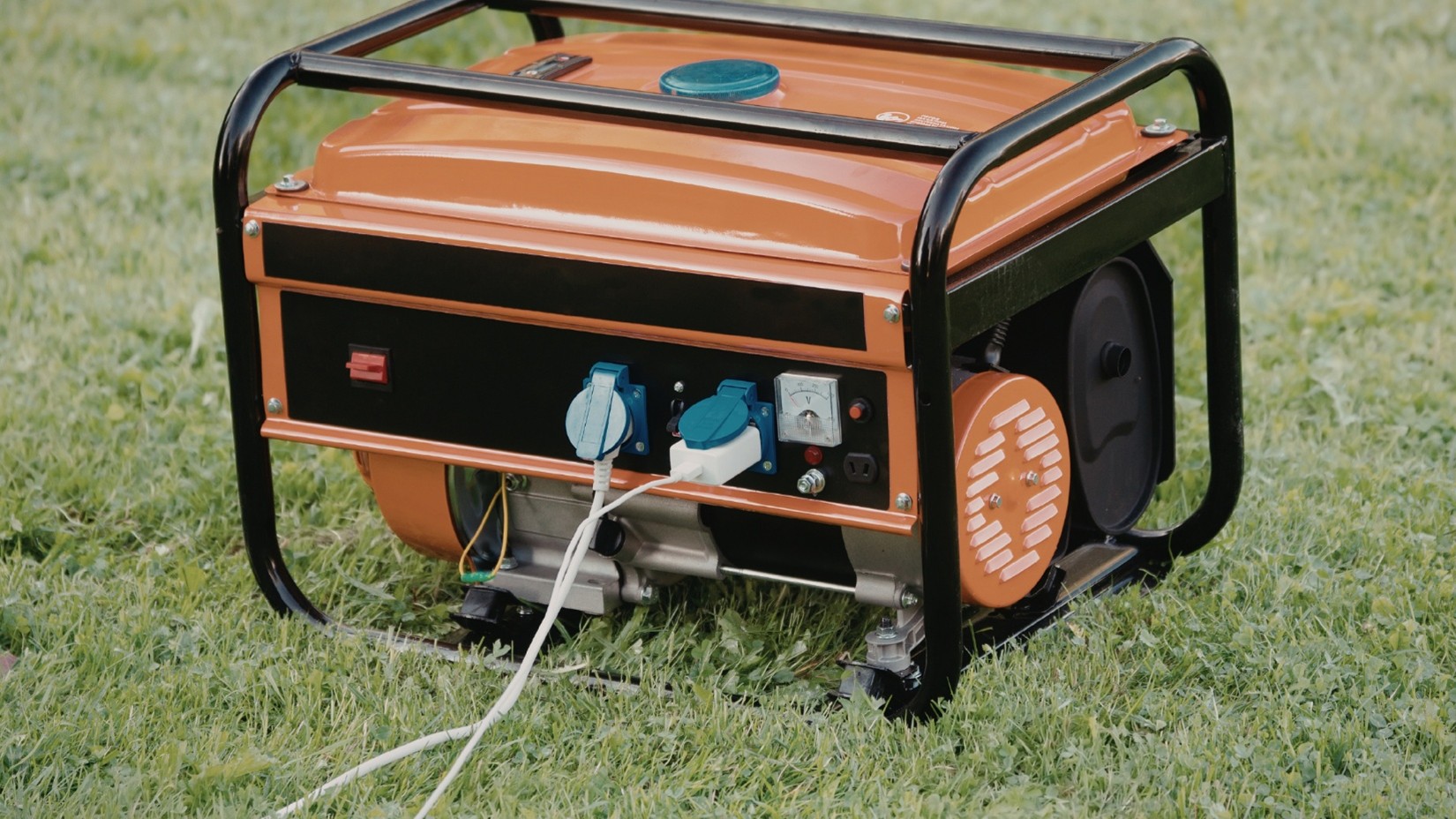
Generator Size Matters Too
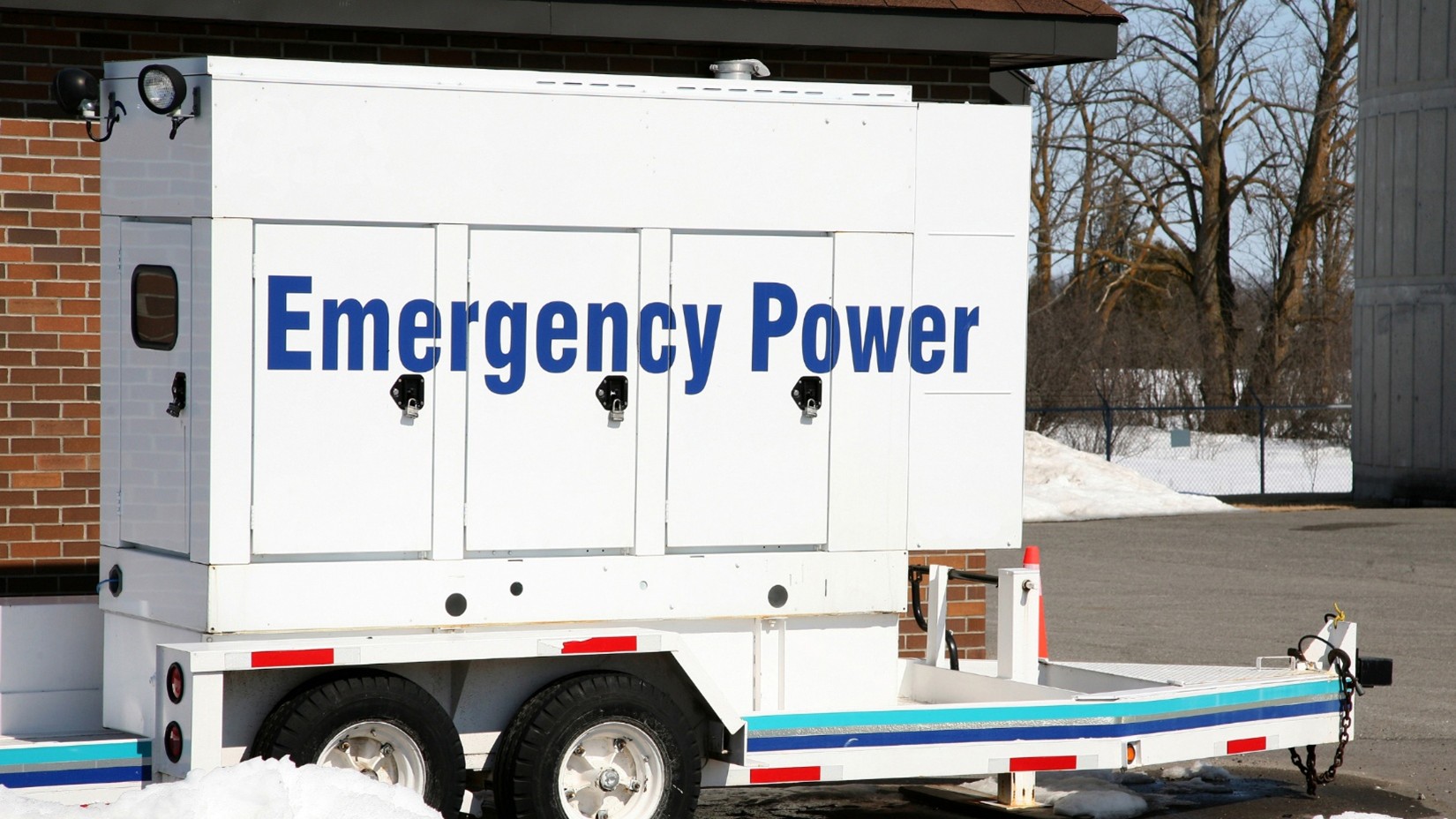
The ATS doesn’t operate in isolation. It works as part of a larger temporary power strategy. If generators are part of the project, their capacity will influence transfer switch selection.
We’ve worked with customers who spent weeks evaluating generator requirements and only later started thinking about how power would actually transfer between sources. The reality is that generators, transfer switches, and distribution equipment all need to work together.
When discussing ATS equipment rentals in Jacksonville, we typically look at the entire system rather than treating individual components as separate decisions.
Don’t Forget About Starting Loads
This is one area that occasionally catches people by surprise. Some equipment requires significantly more power during startup than it does during normal operation. Motors, pumps, compressors, and certain industrial systems can create temporary demand spikes that affect sizing decisions.
We’ve seen projects where normal operating loads looked perfectly reasonable on paper, but startup requirements told a different story. That’s why understanding how equipment behaves during operation is just as important as knowing the total load.
Temporary Power Projects Often Involve More Than an ATS
Transfer switches are rarely the only piece of equipment involved. Many projects also incorporate UPS systems.
For example, we’ve supported projects where a UPS system rental in Jacksonville was used alongside generators and transfer switches to maintain power for critical equipment during planned maintenance.
Each component serves a different purpose. The UPS provides immediate power during a transition. The transfer switch manages the movement between power sources. The generator provides long-term backup power. When those pieces are planned together, the entire system tends to perform more effectively.
Site Conditions Can Influence Equipment Selection
Not every project takes place in a controlled environment. We’ve worked on construction sites, utility projects, industrial facilities, and outdoor operations where site conditions played a major role in equipment decisions. Space limitations, access restrictions, and equipment location can all affect the temporary power strategy.
Sometimes a portable ATS rental in Jacksonville provides the flexibility needed to support changing project conditions without creating unnecessary complications. The right solution isn’t always determined by electrical requirements alone. Logistics matter too.
Ask How the Equipment Will Be Used
One question we often encourage customers to ask is: How will this equipment actually be used throughout the project? The answer can reveal considerations that aren’t immediately obvious.
- Will the equipment remain in one place?
- Will project phases change over time?
- Will portions of the site be relocated?
We’ve worked on projects where mobility became a much bigger factor than anyone expected during the initial planning stages. Understanding how the project will operate day to day can help determine whether a particular transfer switch configuration makes sense.
Consider the Rest of the Temporary Power Setup
Transfer switch sizing is important, but it’s only one piece of the larger conversation. We’ve supported facilities that paired transfer switches with a UPS stand alone rental in Jacksonville to protect indoor equipment during electrical upgrades. We’ve also worked on projects where a UPS trailer mounted rental in Jacksonville was used because the project required greater mobility and flexibility.
The transfer switch needs to fit within the broader temporary power strategy. Looking at the entire system often leads to better decisions than evaluating equipment individually.
The Right Answer Usually Comes From Asking Questions
One thing we’ve noticed over the years is that successful projects tend to begin the same way.
- People ask questions.
- They ask about loads.
- They ask about growth.
- They ask about startup requirements.
- They ask what happens if the project changes halfway through.
Those conversations often uncover details that influence equipment selection long before installation begins. When customers contact us about an automatic transfer switch rental in Jacksonville, we’re usually discussing project goals just as much as transfer switch specifications.
The equipment matters, but understanding the project matters even more.
Final Thoughts
Choosing the right ATS capacity isn’t about picking the largest unit available. It’s about understanding the loads being supported, how the equipment will be used, and how the temporary power system will function as a whole.
If you’re evaluating ATS equipment rentals in Jacksonville, taking time to understand those factors can help prevent costly adjustments later. The more information available during planning, the easier it becomes to select equipment that supports both the project and the facility’s operational needs.
Need Help Selecting the Right ATS?
If you’re considering ATS equipment rentals in Jacksonville and aren’t sure what capacity your project requires, we’re happy to help. Our team works with facility managers, contractors, and operations teams to develop temporary power solutions that fit real-world operating conditions.
Reach out today to discuss your project, power requirements, and timeline. Together, we’ll help determine the right transfer switch and temporary power strategy for your facility.
Reach out to us online at Air Power Consultants or if you need a UPS power rental. You can also call us at (913) 894-0044.
We help data centers. We help hospitals. We help businesses stay powered and protected. We listen. We engineer. We deliver backup power solutions that keep you running, no matter what.

We’re here to help you be resilient, decrease downtime, and keep ahead of outages. For updates, analysis, and practical power plans, follow us on LinkedIn.