Most projects don’t start with a discussion about transfer switches. Usually, something else is driving the conversation.
A facility is preparing for maintenance. A construction project needs temporary power. A critical operation can’t afford downtime during an electrical upgrade. Whatever the reason, there comes a point where someone asks an important question:
“How do we make sure this setup is safe?” It’s a question worth asking. When backup power becomes part of a project, reliability matters. But in demanding environments, reliability and safety often go hand in hand. The equipment needs to perform correctly, the power transition needs to happen smoothly, and the overall system needs to support the goals of the project.
For organizations evaluating ATS equipment rentals in Minneapolis, understanding what contributes to a safe temporary power setup can help prevent problems before they have a chance to develop.
- Safety Starts Before Equipment Is Delivered
- Every Environment Creates Different Challenges
- Power Transitions Need to Happen Smoothly
- The Entire Power Strategy Matters
- Flexibility Can Improve Safety
- Support Matters When Conditions Become Unpredictable
- Larger Projects Often Require Additional Layers of Protection
- The Best Projects Usually Start With Good Questions
- Final Thoughts
Safety Starts Before Equipment Is Delivered
One thing we’ve learned over the years is that successful projects usually begin long before any equipment arrives on-site. The planning phase often has a bigger impact on safety than many people realize.
Customers sometimes call us with a specific piece of equipment already in mind. Other times, they know they need backup power but aren’t sure where to start. Either way, the first step is almost always the same: asking questions.
- What equipment needs protection?
- How long will backup power be required?
- What are the consequences if power is interrupted?
- Will the equipment operate indoors or outdoors?
The answers help paint a clearer picture of what the project actually requires. We’ve seen situations where customers initially requested one solution, only to discover that their operational needs pointed in a completely different direction. Those early conversations often uncover potential challenges that are much easier to address before equipment is deployed.
Every Environment Creates Different Challenges
Not all temporary power projects happen under ideal conditions. Some facilities operate in controlled indoor environments where temperature, moisture, and access are predictable. Others don’t have that luxury. Construction sites, industrial facilities, infrastructure projects, and emergency response operations often present unique challenges that can influence equipment performance. Dust, vibration, changing weather conditions, and heavy equipment traffic can all affect how a temporary power system is installed and managed. That’s why equipment selection matters.
A portable ATS rental in Minneapolis may provide the flexibility required for a project that involves changing site conditions or temporary infrastructure. However, selecting the right equipment is only part of the equation. The installation, placement, and integration of that equipment are equally important.
The safest projects are usually the ones where the equipment is chosen with the environment in mind rather than simply selecting the largest or most readily available option.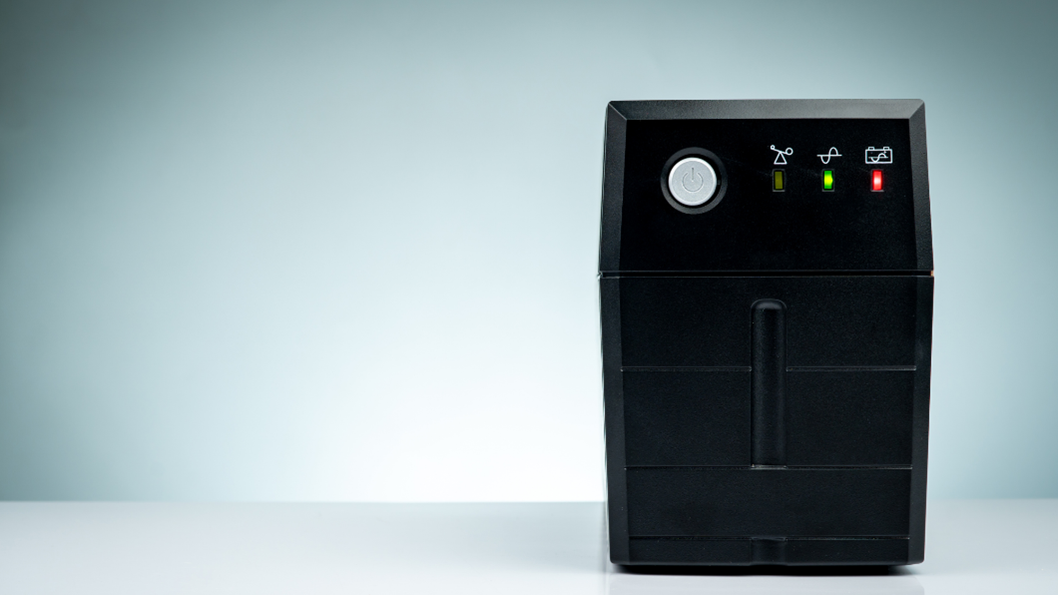
Power Transitions Need to Happen Smoothly
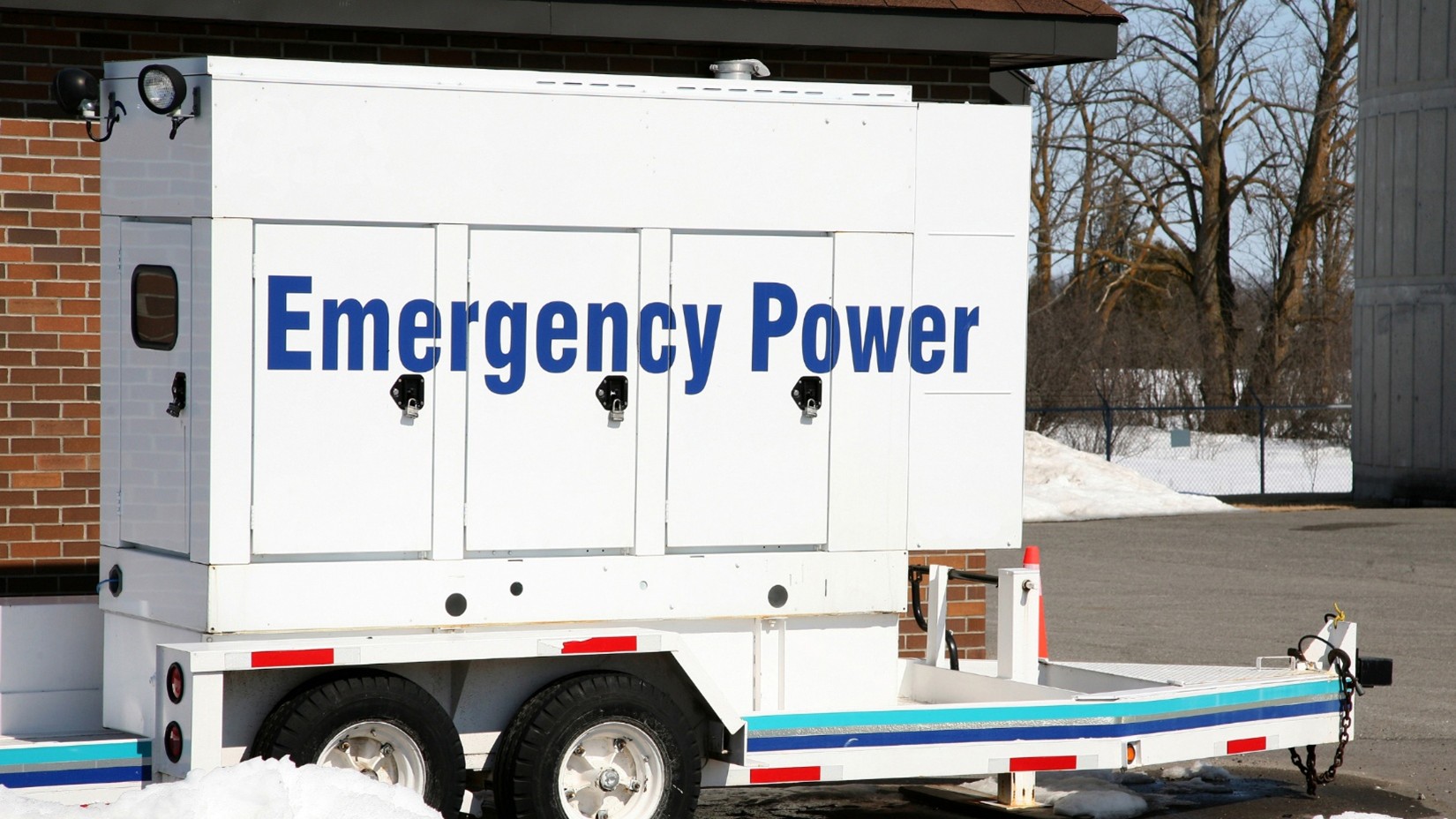
People often focus on backup generators when discussing temporary power. That’s understandable. Generators typically receive most of the attention because they’re producing the backup power. But an ATS performs an equally important role.
When utility power is lost, the transfer switch manages the transition to backup power. When utility service returns, it handles the transfer back. In demanding environments, those transitions need to happen consistently and predictably.
Sensitive equipment doesn’t always tolerate interruptions well. Manufacturing processes, communication systems, healthcare equipment, and data infrastructure often depend on stable power conditions. A properly configured automatic transfer switch rental in Minneapolis helps support those transitions while reducing the risks associated with manual switching or delayed response times.
In many cases, the transfer itself happens so quickly that operations continue without significant disruption.
The Entire Power Strategy Matters
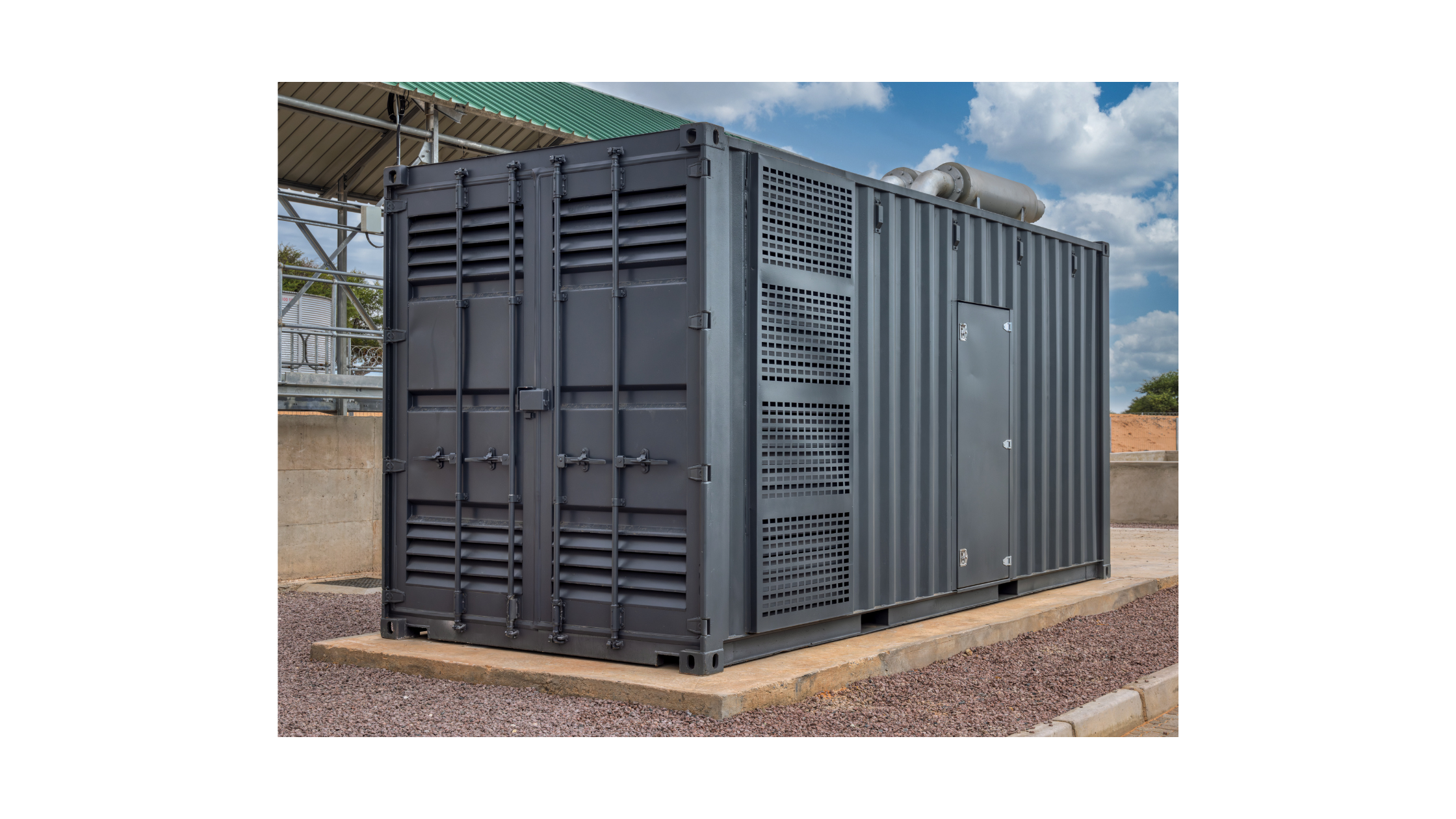
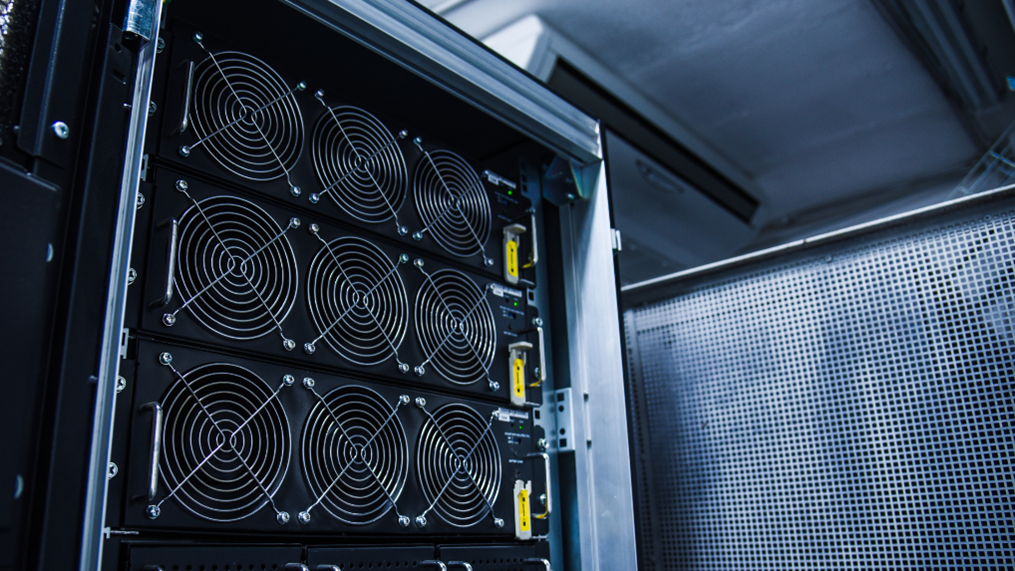
One thing we’ve noticed is that the safest projects rarely rely on a single piece of equipment. Temporary power systems often involve multiple components working together. Generators provide backup power. Transfer switches manage transitions. Distribution equipment routes electricity where it needs to go. In some situations, battery backup systems provide an additional layer of protection.
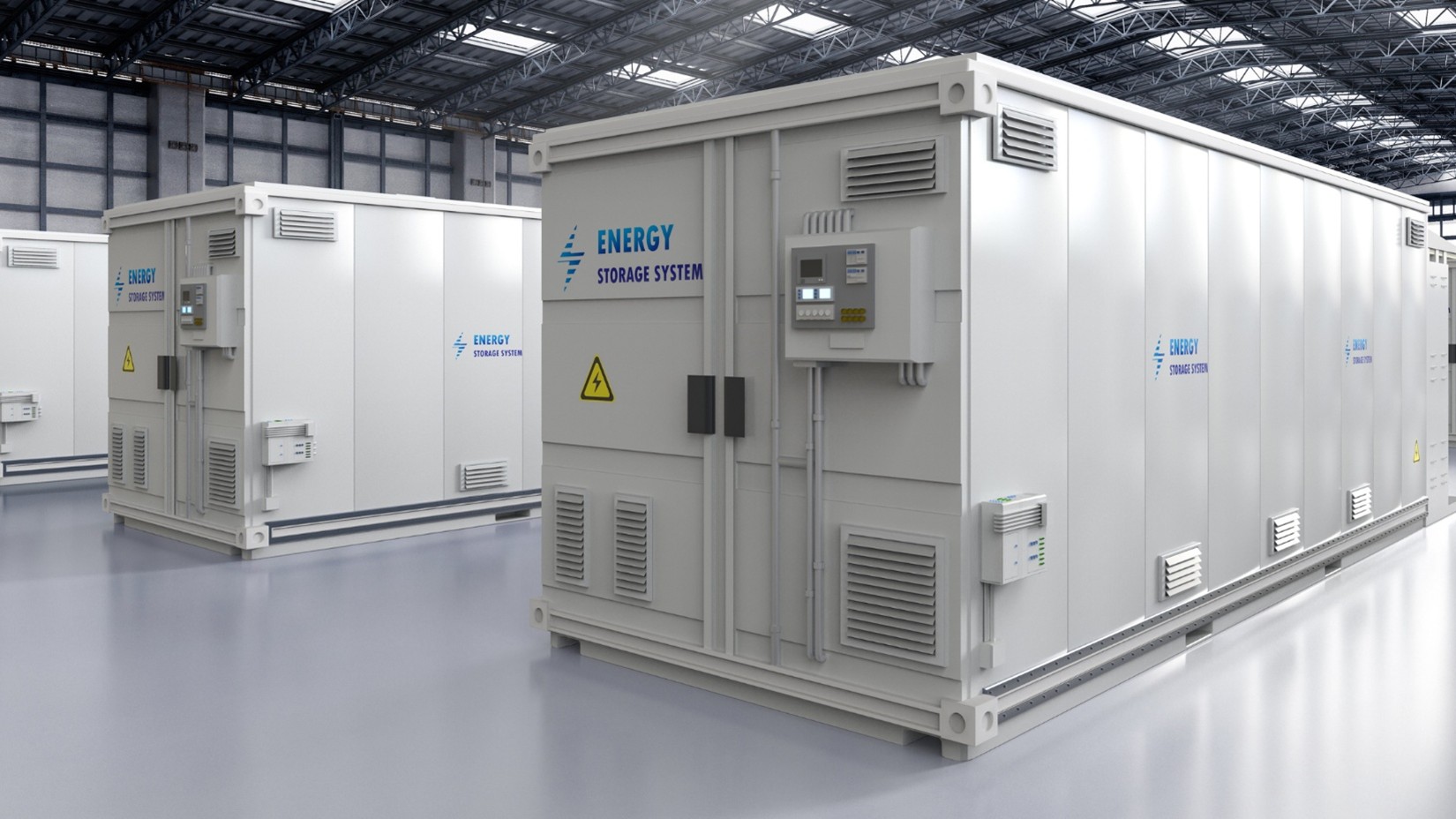
For example, facilities sometimes pair ATS equipment with a UPS stand alone rental in Minneapolis to protect critical loads during generator startup sequences or utility fluctuations. The goal isn’t simply adding more equipment. The goal is creating a coordinated system where every component supports the others.
When the entire temporary power strategy is planned as a complete solution, reliability tends to improve significantly.
Flexibility Can Improve Safety
If you’ve managed enough projects, you already know one thing:
- Plans change.
- Schedules move.
- Project scopes expand.
- Additional work gets added.
- Shutdown windows become longer than expected.
We’ve seen all of it.
That’s why flexibility is often an overlooked part of safety planning. Before committing to any rental solution, it’s worth understanding what options are available if project requirements evolve.
- Can rental periods be extended?
- Can additional capacity be added?
- Is technical support available if site conditions change?
These conversations may seem routine during planning, but they often become extremely valuable once work begins.
Support Matters When Conditions Become Unpredictable
Even the best equipment can’t anticipate every challenge. Unexpected weather, schedule adjustments, site access issues, and operational changes can all create new requirements during a project. That’s why support is such an important part of any temporary power solution. A provider should be able to answer questions, address concerns, and help adapt the power strategy if conditions change.
We’ve worked on projects where a quick adjustment prevented a small issue from becoming a larger problem. Having access to experienced technical support can make a significant difference when operating in demanding environments.
Larger Projects Often Require Additional Layers of Protection
As projects become more complex, additional backup solutions are often incorporated into the overall plan.
For larger facilities or extended shutdowns, a UPS trailer mounted rental in Minneapolis may be used to provide scalable backup power support. Other organizations may choose a UPS system rental in Minneapolis to help protect critical operations throughout maintenance projects or infrastructure upgrades.
Every project is different. What works for one facility may not be appropriate for another. That’s why understanding the specific operational goals is so important when designing a temporary power strategy.
The safest solutions are rarely built around assumptions. They’re built around the realities of the environment and the needs of the facility.
The Best Projects Usually Start With Good Questions
Over the years, we’ve noticed a pattern. The projects that run smoothly aren’t always the largest projects or the ones with the most equipment. They’re usually the projects where people took the time to ask questions before the work began.
- They ask about the equipment.
- They ask about backup plans.
- They ask what could go wrong.
- They ask how different parts of the system will work together.
Those conversations often uncover opportunities to improve safety, reliability, and overall project performance. For organizations considering ATS equipment rentals in Minneapolis, those discussions are often the foundation of a successful temporary power strategy.
Final Thoughts
Safety in demanding environments isn’t determined by a single specification or feature. It’s the result of careful planning, properly selected equipment, reliable power transitions, and ongoing support throughout the project. When those elements come together, temporary power solutions become far more dependable.
If you’re evaluating ATS equipment rentals in Minneapolis, it’s worth taking the time to look beyond the equipment itself and consider how the entire system will function under real-world conditions. That’s often where the most important decisions are made.
Need Help Evaluating a Temporary Power Project?
If you’re planning maintenance, supporting critical infrastructure, or preparing for a temporary power requirement, we’re happy to discuss your project. Together, we can evaluate your needs, identify potential challenges, and determine the best approach for keeping your operations powered and protected.
Reach out to us online at Air Power Consultants or if you need a UPS power rental. You can also call us at (913) 894-0044.
We help data centers. We help hospitals. We help businesses stay powered and protected. We listen. We engineer. We deliver backup power solutions that keep you running, no matter what.
We’re here to help you be resilient, decrease downtime, and keep ahead of outages. For updates, analysis, and practical power plans, follow us on LinkedIn.