Most people don’t think much about transfer switches until they have a reason to. Maybe a facility is planning a shutdown. Maybe electrical work needs to be completed without disrupting operations. Sometimes a storm knocks out utility power, and suddenly everyone is focused on keeping critical systems online. That’s usually when the conversation starts.
One of the questions we hear most often is: “What actually keeps everything running when the power goes out?” A lot of people assume the answer is simply a generator. Generators are important, but they’re only part of the picture. The real challenge isn’t just producing backup power. It’s making sure power gets where it needs to go when it needs to get there. That’s where an automatic transfer switch rental in Minneapolis often becomes an important part of the plan.
- Backup Power Is Only Useful If It Can Be Delivered
- Downtime Has a Way of Creating Bigger Problems
- Every Facility Has Different Priorities
- Critical Systems Often Need More Than One Layer of Protection
- Projects Have a Habit of Changing
- Planning Usually Matters More Than Equipment
- Larger Projects Often Require Additional Support
- The Best Projects Usually Start With Questions
- Final Thoughts
Backup Power Is Only Useful If It Can Be Delivered
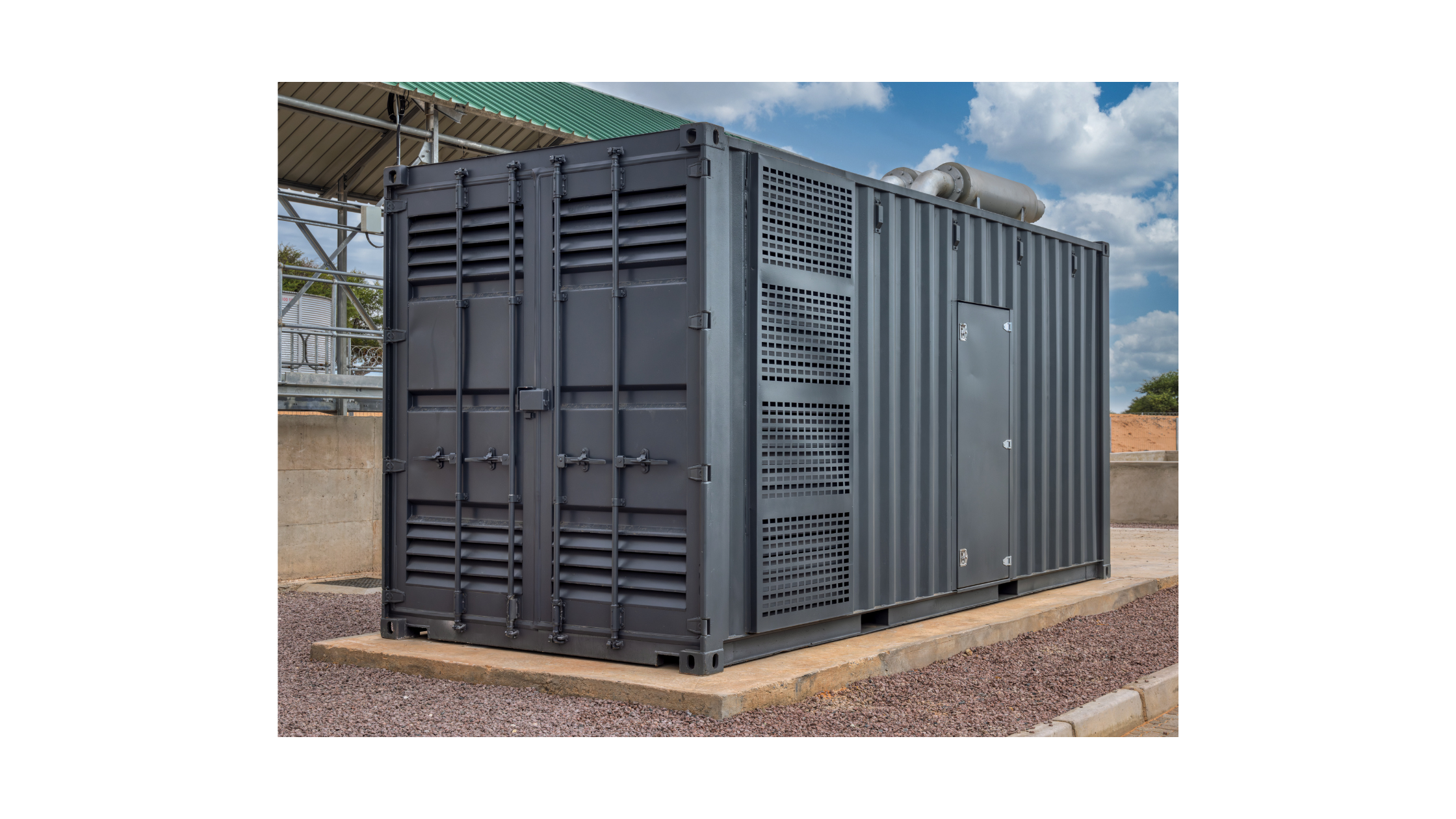
When utility power fails, things happen quickly. Critical equipment doesn’t wait for someone to make a decision. Production systems don’t pause while teams figure out the next step. Servers, communication equipment, healthcare systems, and other essential operations need power immediately.
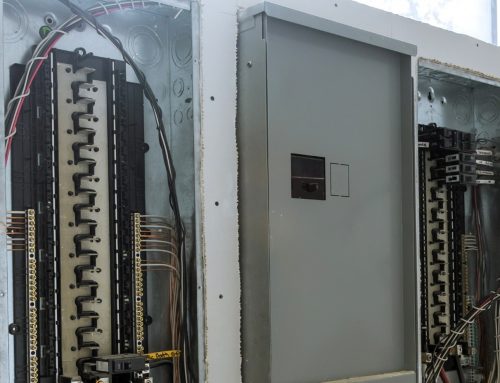
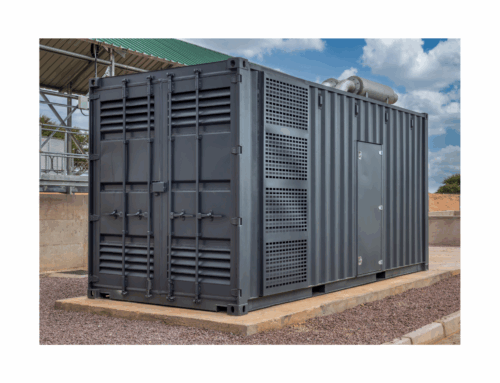
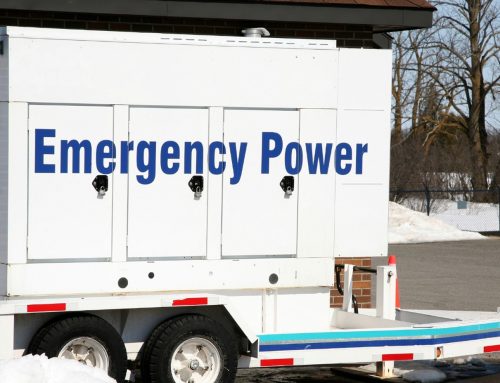
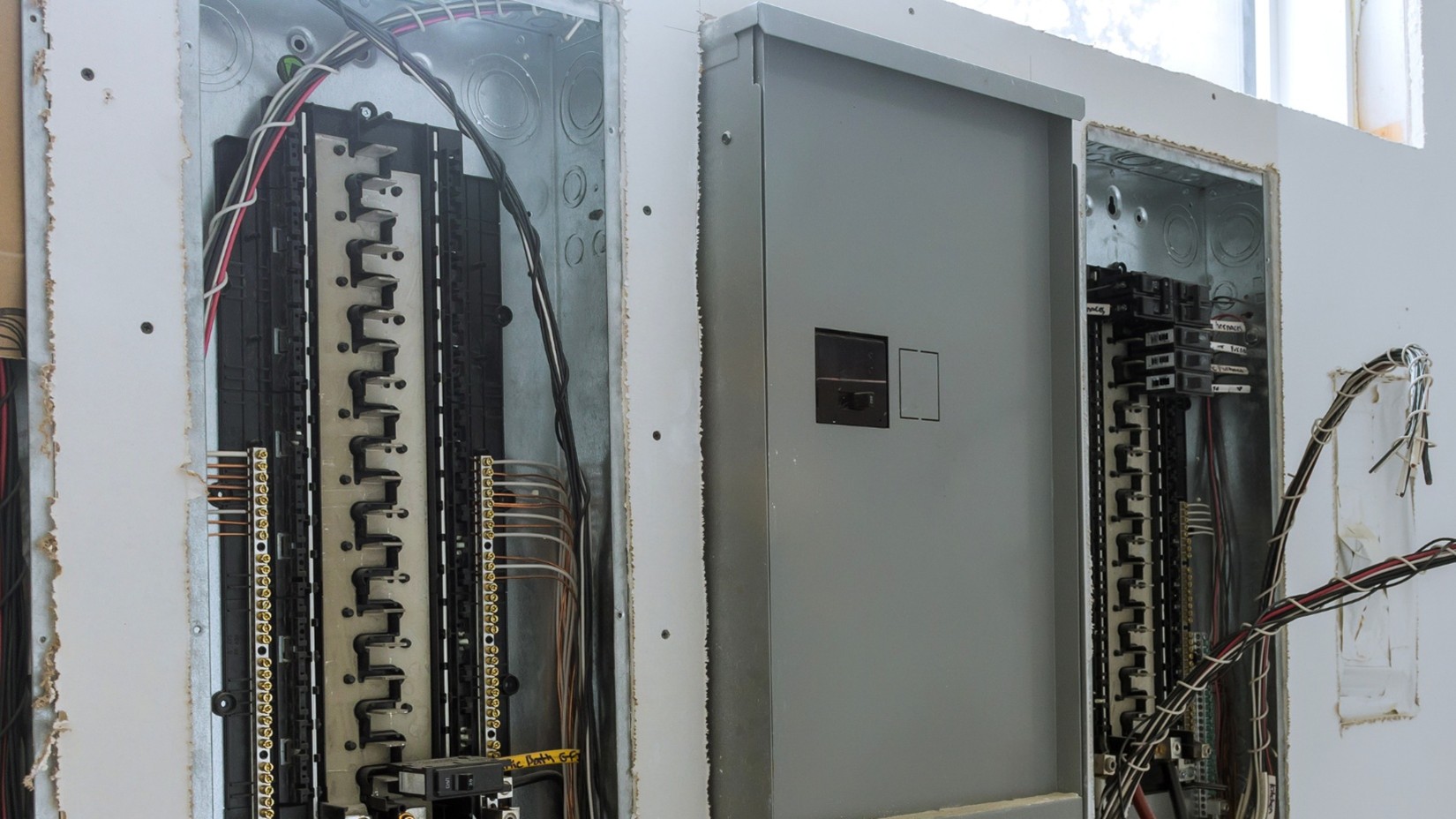
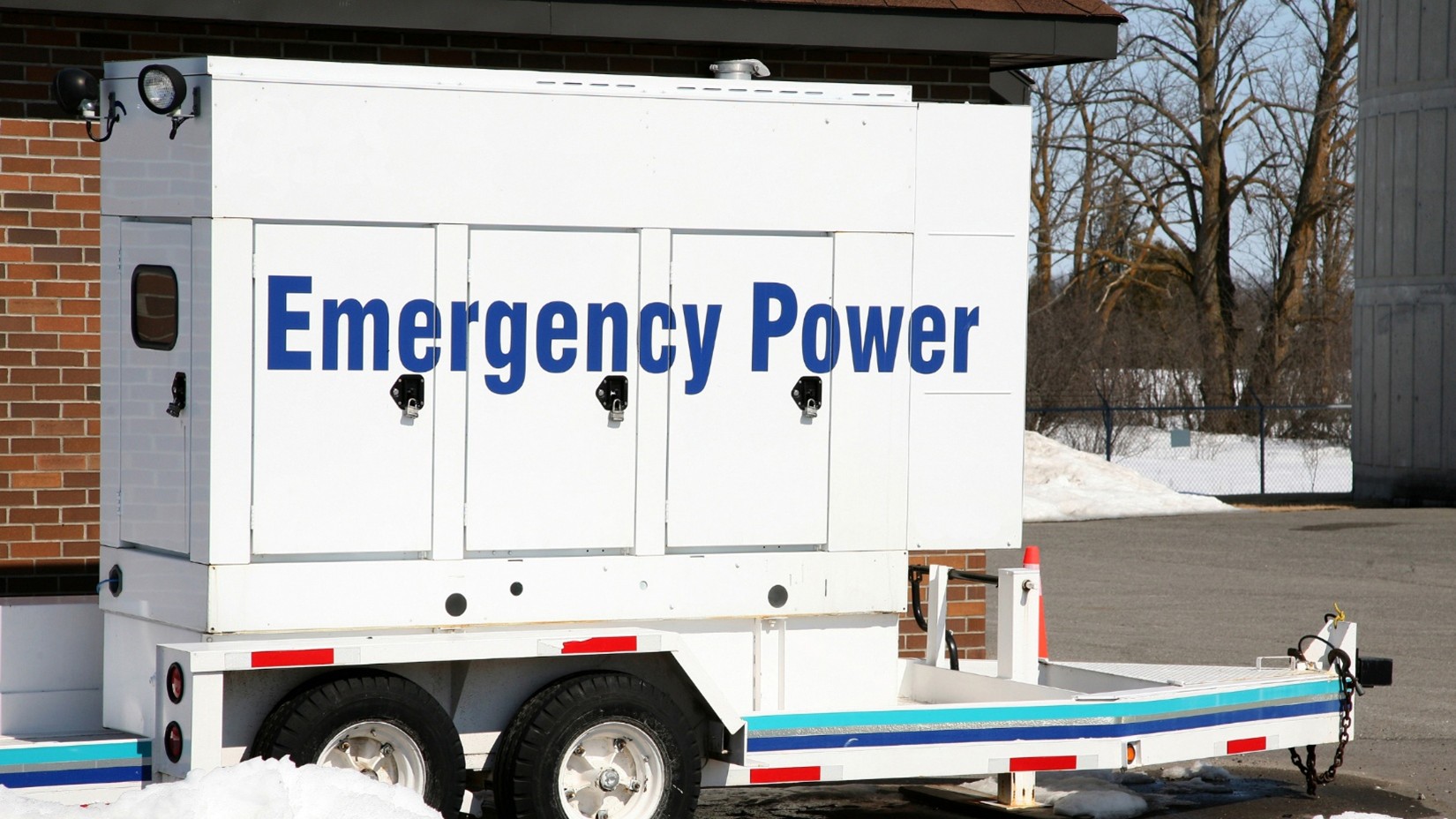
A generator may be ready to provide backup power, but something still has to manage the transition. That’s the job of the transfer switch. It monitors utility power and automatically shifts operations to a backup source when necessary. When utility service returns, it helps move everything back safely. Most people never notice the transfer happening. That’s usually a good thing. The smoother the transition, the less likely operations are to be disrupted.
Downtime Has a Way of Creating Bigger Problems
We’ve worked with enough facilities to know that outages rarely affect just one thing. A brief interruption can create a chain reaction. Production schedules get pushed back. Employees sit idle. Equipment may require restart procedures. Projects that were already operating on tight timelines suddenly become even more challenging.
Sometimes the outage itself isn’t the biggest issue. It’s everything that happens afterward. That’s one reason organizations spend so much time planning for temporary power. They aren’t just trying to keep the lights on. They’re trying to avoid the operational headaches that often follow an interruption. For many facilities, an automatic transfer switch rental in Minneapolis becomes part of that effort.
Every Facility Has Different Priorities
One thing we’ve learned over the years is that no two projects are exactly alike. A data center has very different concerns than a manufacturing facility. A hospital faces challenges that a construction project may never encounter. Even facilities within the same industry can have completely different priorities. That’s why we spend a lot of time asking questions before discussing equipment.
- What systems absolutely must stay online?
- How long does backup power need to be available?
- What happens if those systems lose power?
The answers usually tell us more than equipment specifications ever could.
We’ve seen facilities request large temporary power solutions only to discover that a handful of critical systems were really the main concern. We’ve also seen situations where seemingly small interruptions carried much larger consequences than expected. Understanding those details early helps shape a better plan.
Critical Systems Often Need More Than One Layer of Protection
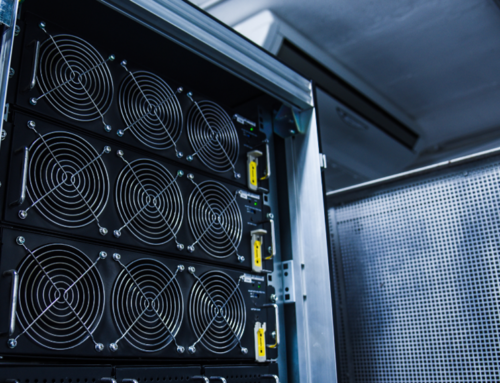
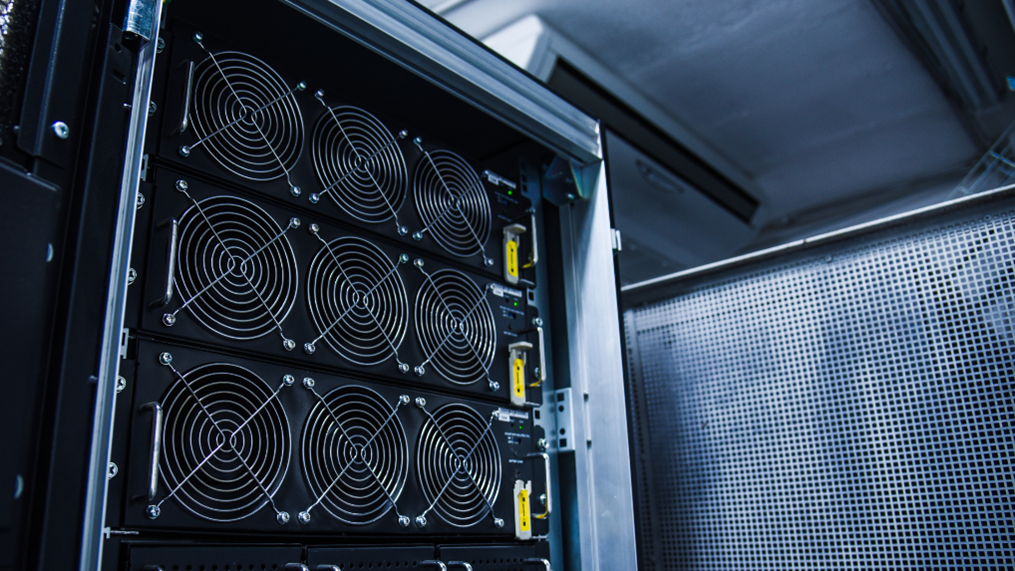
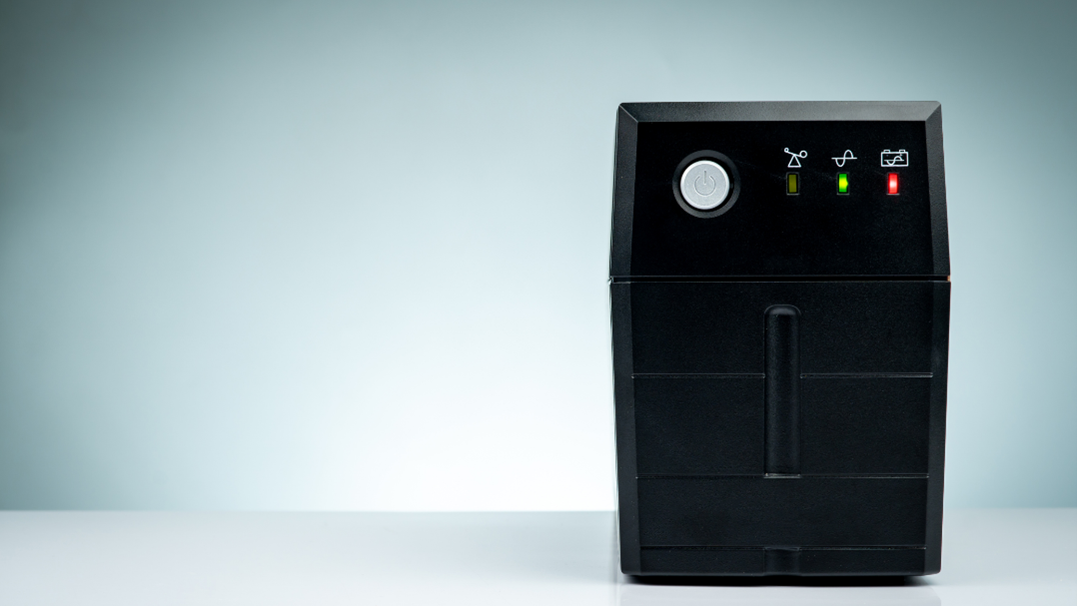
A transfer switch plays an important role, but it rarely works alone. Many facilities use multiple layers of backup protection, especially when sensitive equipment is involved. For example, some organizations combine an ATS with an uninterrupted power supply rental in Minneapolis to help bridge the gap between utility power loss and generator startup. That extra layer of protection can make a significant difference for systems that don’t tolerate interruptions well.
We’ve seen projects where facility managers felt much more comfortable knowing that backup power wasn’t relying on a single component. The goal isn’t adding equipment for the sake of adding equipment. The goal is creating a system that works together.
Projects Have a Habit of Changing
Anyone who manages projects regularly already knows this. Plans change. Schedules move. Additional work gets added. Shutdown windows get extended. It’s normal. We’ve seen projects that were originally expected to last a weekend stretch into multiple weeks. We’ve also seen facilities discover new requirements after work had already started. That’s why flexibility matters.
A temporary power solution needs to support the project you planned for, but it should also be able to adapt if circumstances change. The projects that run most smoothly are often the ones where teams discuss those possibilities before they become problems.
Planning Usually Matters More Than Equipment
People often focus on equipment first. That’s understandable. Equipment is visible. It’s easy to talk about capacities, generators, and backup systems. But one thing we’ve noticed is that successful projects usually come down to planning rather than hardware.
Questions about site access, load requirements, facility operations, and transition procedures often uncover issues that could easily be missed. Those conversations may not seem exciting, but they’re often where the biggest risks get identified. By the time equipment arrives on-site, many of the most important decisions have already been made.
Larger Projects Often Require Additional Support
As projects become more complex, additional backup solutions are often brought into the mix. Some facilities choose a UPS rental in Minneapolis to protect sensitive electronics during maintenance work. Others utilize a UPS power rental in Minneapolis to support operations through extended outages or infrastructure upgrades.
For larger facilities, a UPS system rental in Minneapolis may provide broader protection across multiple departments. In situations where mobility and scalability are important, a UPS trailer mounted rental in Minneapolis can offer additional flexibility.
The right approach depends entirely on the facility, the project, and the level of protection required. That’s why temporary power planning is rarely a one-size-fits-all process.
The Best Projects Usually Start With Questions
Looking back at successful projects we’ve supported, there’s a common theme. People ask questions. Lots of them. They ask what happens if utility power fails. They ask how backup systems will respond. They ask what could go wrong. They ask how different pieces of equipment will work together. Those conversations often reveal opportunities to improve reliability long before work begins. For organizations evaluating an automatic transfer switch rental in Minneapolis, those discussions are often where the real value comes from.
Final Thoughts
Keeping critical systems online isn’t just about having backup power available. It’s about making sure every part of the temporary power strategy works together when it’s needed most.
A properly planned automatic transfer switch rental in Minneapolis helps facilities move between power sources smoothly, reducing the risk of disruptions during outages, maintenance projects, and infrastructure upgrades. The equipment matters. But the planning, preparation, and support behind it often matter just as much.
Need Help Planning a Temporary Power Project?
If you’re preparing for maintenance, a facility upgrade, or any project where uptime is important, we’re happy to talk through the details. We’ll learn more about your goals, discuss potential challenges, and help you determine the best approach for keeping critical systems protected throughout the project.
Reach out to us online at Air Power Consultants or if you need a UPS power rental. You can also call us at (913) 894-0044.
We help data centers. We help hospitals. We help businesses stay powered and protected. We listen. We engineer. We deliver backup power solutions that keep you running, no matter what.

We’re here to help you be resilient, decrease downtime, and keep ahead of outages. For updates, analysis, and practical power plans, follow us on LinkedIn.