This question usually shows up once someone prices out a permanent solution. The equipment cost is one thing. The installation, engineering, and long-term commitment are another. At that point, renting stops sounding like a shortcut and starts sounding like a strategy.
At a national level, where projects vary by site, timeline, and infrastructure, this decision comes up constantly. That’s why automatic transfer switch rental remains a common choice even for organizations with mature power programs.
- Buying assumes stability that many projects don’t have
- Renting aligns better with how projects actually run
- Cost isn’t just the purchase price
- National consistency favors rentals
- How UPS systems factor into the decision
- Trailer-mounted systems make renting even more practical
- Renting helps avoid premature decisions
- Where buying still makes sense
- Scale changes everything
- Renting also simplifies logistics and support
- Planning around reality instead of permanence
- FAQ Automatic Transfer Switch Rental
Buying assumes stability that many projects don’t have
Buying an ATS assumes the system won’t change. Same loads. Same generator. Same building use. Same risk profile.
That works in environments where power needs are fixed and predictable. Many aren’t.
National operations deal with phased upgrades, temporary risk coverage, and facilities at very different stages of life. In those cases, buying locks decisions early.
A portable ATS rental keeps options open.
Renting aligns better with how projects actually run
Most power needs are tied to events. Maintenance windows. Construction phases. Disaster recovery. Temporary expansions.
These needs have clear start and end points. Buying permanent equipment for short-term use often leaves expensive assets sitting idle afterward.
That’s where automatic transfer switch rental fits naturally. The equipment shows up when needed and leaves when it’s not.
Cost isn’t just the purchase price
The cost of an UPS system rental isn’t limited to the unit itself. Engineering time. Installation labor. Downtime during cutover. In some cases, permitting and inspections.
Renting doesn’t remove the need for safe setup, but it reduces long-term exposure. There’s no pressure to reuse equipment simply because it was purchased.
That flexibility changes the cost conversation.
National consistency favors rentals
Large organizations often want consistent behavior across locations. The same transfer logic. The same response during outages.
Buying site by site can introduce variation. Different models. Different configurations. Different behavior under stress. Renting allows teams to standardize how transfer works, even when the facilities themselves differ. That consistency reduces surprises.
How UPS systems factor into the decision
Transfer switches don’t operate alone. They work with generators and UPS systems. A UPS handles short interruptions. The ATS manages the handoff. The generator carries long outages.
When teams use uninterrupted power supply rental alongside ATS rentals, they can scale protection without committing to permanent infrastructure everywhere.
That pairing is common during temporary risk periods.
Trailer-mounted systems make renting even more practical
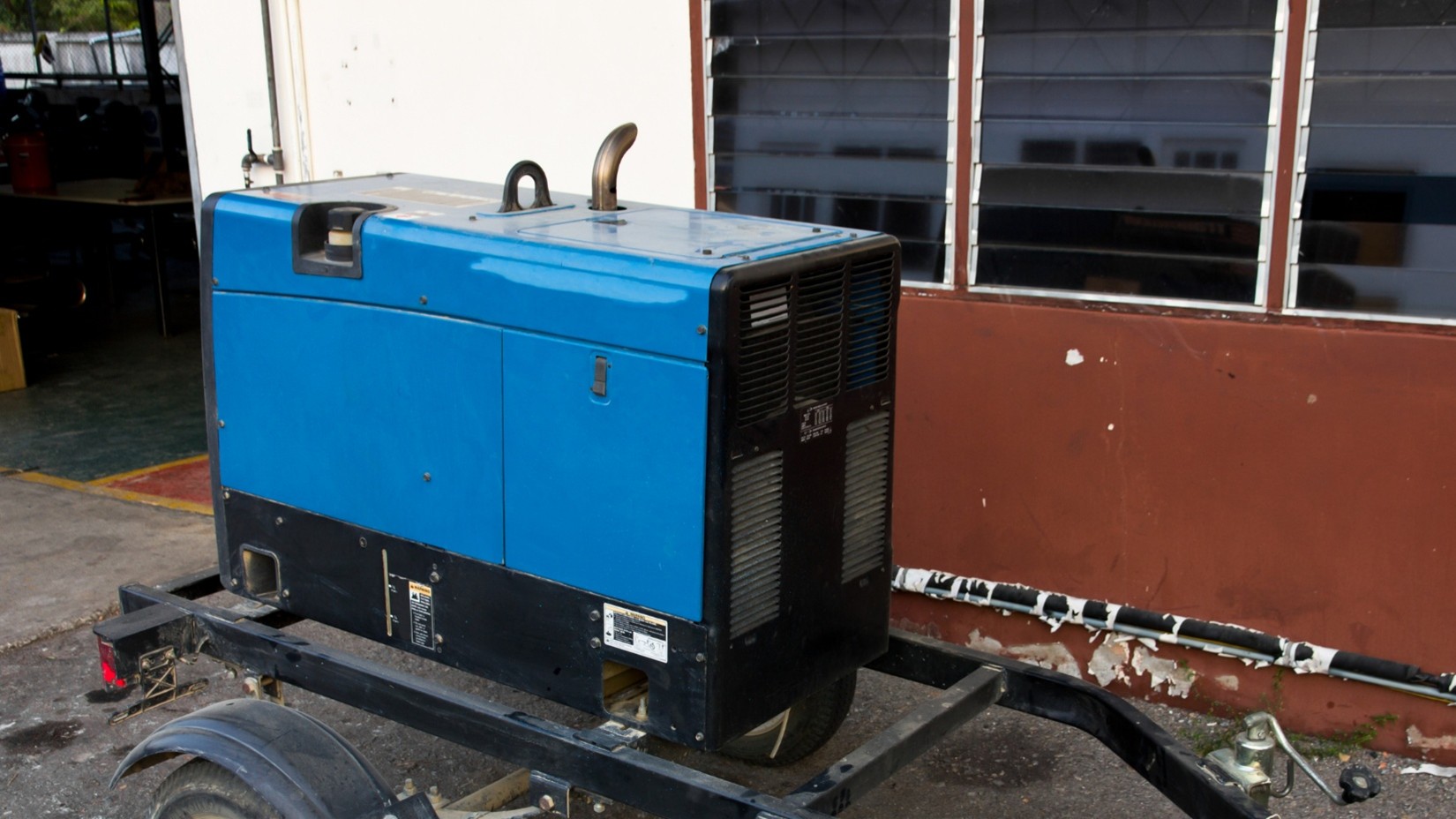
Trailer-mounted systems change how quickly power protection can be deployed. With UPS trailer mounted rental, power protection arrives integrated and mobile. Pairing that with a rented ATS keeps the entire solution flexible.
This is especially useful for disaster response, remote sites, and facilities without ready infrastructure.
Renting helps avoid premature decisions
One of the biggest risks with buying is timing. Buying before loads are fully understood. Buying before backup strategies are finalized.
Renting allows teams to test real conditions first. See how the system behaves. Adjust sizing. Then decide whether permanent installation even makes sense. That breathing room prevents expensive mistakes.
Where buying still makes sense
There are environments where buying is the right choice. Facilities with stable loads. Long-term generator reliance. Little expectation of change.
Even in those cases, many teams rent first. They validate assumptions. Then they install permanently with confidence. Renting isn’t the opposite of buying. It’s often the step before it.
Scale changes everything
At one site, buying might be simple. At ten sites, it becomes harder to manage. At fifty, it becomes a liability.
National operations feel that pressure quickly. Renting allows teams to stay flexible without sacrificing reliability.
That’s why automatic transfer switch rental remains relevant even for organizations with extensive power infrastructure.
Renting also simplifies logistics and support
Rental equipment is maintained, tested, and supported. Control batteries are checked. Configurations are verified.
That doesn’t remove responsibility, but it reduces unknowns. Especially during high-risk periods, that support matters. This is where ATS equipment rentals fit into broader risk management strategies.
Planning around reality instead of permanence
Power planning works best when it reflects how work actually happens, not how it looks on paper. Projects change. Timelines shift. Risk windows open and close. Renting aligns with that reality.
FAQ Automatic Transfer Switch Rental
Is renting always cheaper than buying?
Not always, but it often reduces long-term risk.
Can rental ATS units handle critical loads?
Yes, when properly sized and configured.
Is renting only for short projects?
No. It’s also useful for uncertain timelines.
Can I rent first and buy later?
Yes. Many organizations do.
Does renting limit performance?
No. Performance depends on configuration, not ownership.
Reach out to us online at Air Power Consultants or if you need a UPS Power rental? Call us at (913) 894-0044.
We help data centers. We help hospitals. We help businesses stay powered and protected.
We listen. We engineer. We deliver backup power solutions that keep you running, no matter what.

We’re here to help you be resilient, decrease downtime, and keep ahead of outages. For updates, analysis, and practical power plans, follow on LinkedIn.