
ATS rental services in Boston is usually one of the first things that comes up when teams start asking a simple question: what does downtime actually cost us?
Most people think about lost revenue. That’s part of it. But for data centers, the impact runs deeper, and faster, than expected.
Downtime isn’t just expensive. It’s disruptive in ways that don’t always show up on a balance sheet right away.
- What downtime really looks like in a data center
- The hidden costs most teams don’t plan for
- Why “short outages” still cause major problems
- Where most failures actually happen
- Why ATS Rental Services in Boston are key to preventing downtime
- Why generators alone don’t solve the problem
- How temporary UPS prevents downtime during transitions
- Planning ahead changes everything
- Downtime prevention isn’t about backup, it’s about control
- FAQs
What downtime really looks like in a data center
It rarely starts with a full blackout.
More often, it begins with a brief interruption. A transfer that doesn’t go clean. A voltage dip. A delay between power sources.
That’s enough.
Systems reset. Connections drop. Processes stall. Even if power comes back quickly, the ripple effect keeps going.
Facilities relying on UPS rental in Boston are usually trying to avoid that exact moment, not just the outage itself.
Because the first few seconds are where most damage happens.
The hidden costs most teams don’t plan for
Lost revenue is the obvious one. But it’s rarely the biggest issue.
Downtime can also lead to:
- Data corruption or loss
- Service-level agreement penalties
- Customer churn
- Emergency recovery costs
- Hardware stress or failure
And then there’s reputation.
Clients expect uptime. Not explanations.
That’s why many facilities start investing in UPS system rental in Boston before planned maintenance or infrastructure upgrades. They’re protecting more than just operations, they’re protecting trust.
Why “short outages” still cause major problems
It doesn’t take long.
A few seconds without stable power can:
- Trigger server reboots
- Interrupt active transactions
- Cause storage systems to desync
Even systems designed for resilience need stable input power to function properly.
Using UPS power rental in Boston helps keep voltage consistent during transitions, not just during outages.
That stability is what prevents small issues from turning into large ones.
Where most failures actually happen
It’s not always during the outage itself.
It’s during the switch.
When facilities move between:
- Utility power
- Backup generators
- Temporary systems
That transition has to be precise. Any delay or mismatch can cause a drop.
That’s where switching systems come into play.
Why ATS Rental Services in Boston are key to preventing downtime
Power sources don’t fix problems if they’re not connected properly.
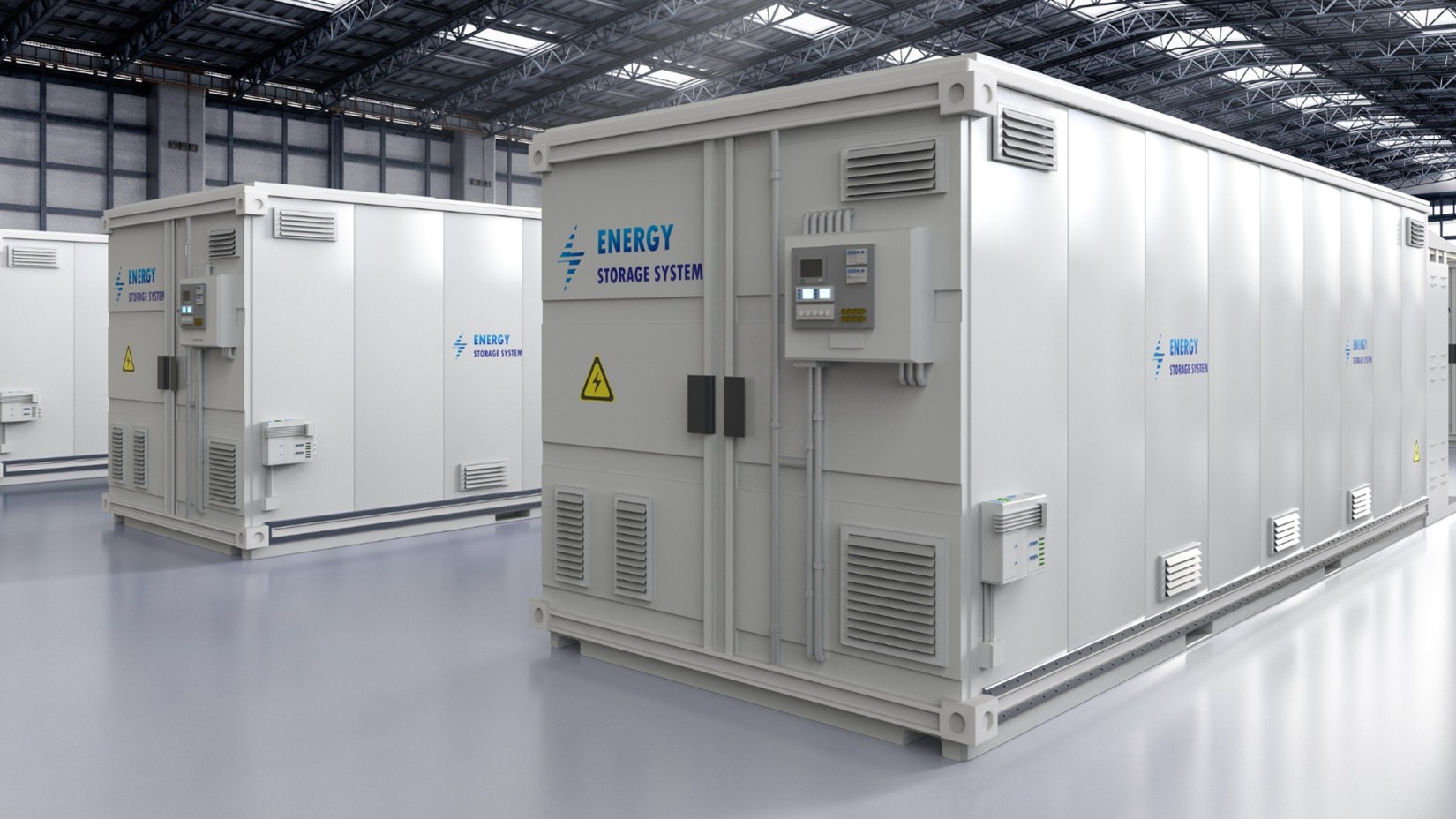
ATS rental services in Boston help manage how power moves between sources. Instead of relying on manual switching, which takes time, ATS systems handle the transition instantly.
They:
- Detect loss of power
- Transfer load automatically
- Prevent overlap or backfeed
This matters most during:
- Maintenance work
- System upgrades
- Load testing
Without controlled switching, even a strong backup setup can fail right when it’s needed.
Why generators alone don’t solve the problem
Generators are often seen as the main backup solution.
They’re reliable for long outages. But they don’t respond instantly.
There’s always a startup delay. That gap, even if it’s short, is enough to cause disruption.
Facilities using portable ATS rental in Boston usually pair generators with UPS systems. One handles the immediate load. The other handles duration.
It’s not either-or. It’s both.
How temporary UPS prevents downtime during transitions
A temporary UPS steps in immediately when power changes.
No delay. No interruption.
That makes it the first layer of protection during:
- Utility work
- Equipment upgrades
- Unexpected disruptions
Using UPS trailer mounted rental in Boston, facilities can bring in high-capacity systems quickly and support entire sections of a data center during critical work.
Once the project is complete, the system is removed.
No permanent changes required.
Planning ahead changes everything
The difference between facilities that experience downtime and those that don’t usually comes down to preparation.
Teams that avoid issues typically:
- Map out every power transition step
- Test systems before going live
- Add temporary redundancy where needed
- Control switching with ATS systems
Facilities that rely on ATS rental services in Boston aren’t reacting to problems. They’re removing the conditions that cause them.
Downtime prevention isn’t about backup, it’s about control
Backup systems are reactive.
Downtime prevention is proactive.
It’s about controlling:
- When power changes
- How systems respond
- What happens during transitions
Data centers that invest in temporary UPS, generators, and controlled switching aren’t just preparing for outages.
They’re making sure outages don’t interrupt operations in the first place.
FAQs
How much can downtime cost a data center?
It varies, but even a short outage can cost thousands, or more, depending on the systems affected and the services being delivered.
Is UPS enough to prevent downtime?
Not by itself. UPS handles immediate power continuity, but generators and proper switching systems are needed for longer events and safe transitions.
Why is ATS equipment important for uptime?
It manages how power moves between sources. Without it, delays or errors during switching can cause outages even if backup systems are available.
Reach out to us online at Air Power Consultants or if you need a UPS Power rental? Call us at (913) 894-0044. We help data centers. We help hospitals. We help businesses stay powered and protected. We listen. We engineer. We deliver backup power solutions that keep you running, no matter what.

We’re here to help you be resilient, decrease downtime, and keep ahead of outages. For updates, analysis, and practical power plans, follow on LinkedIn.