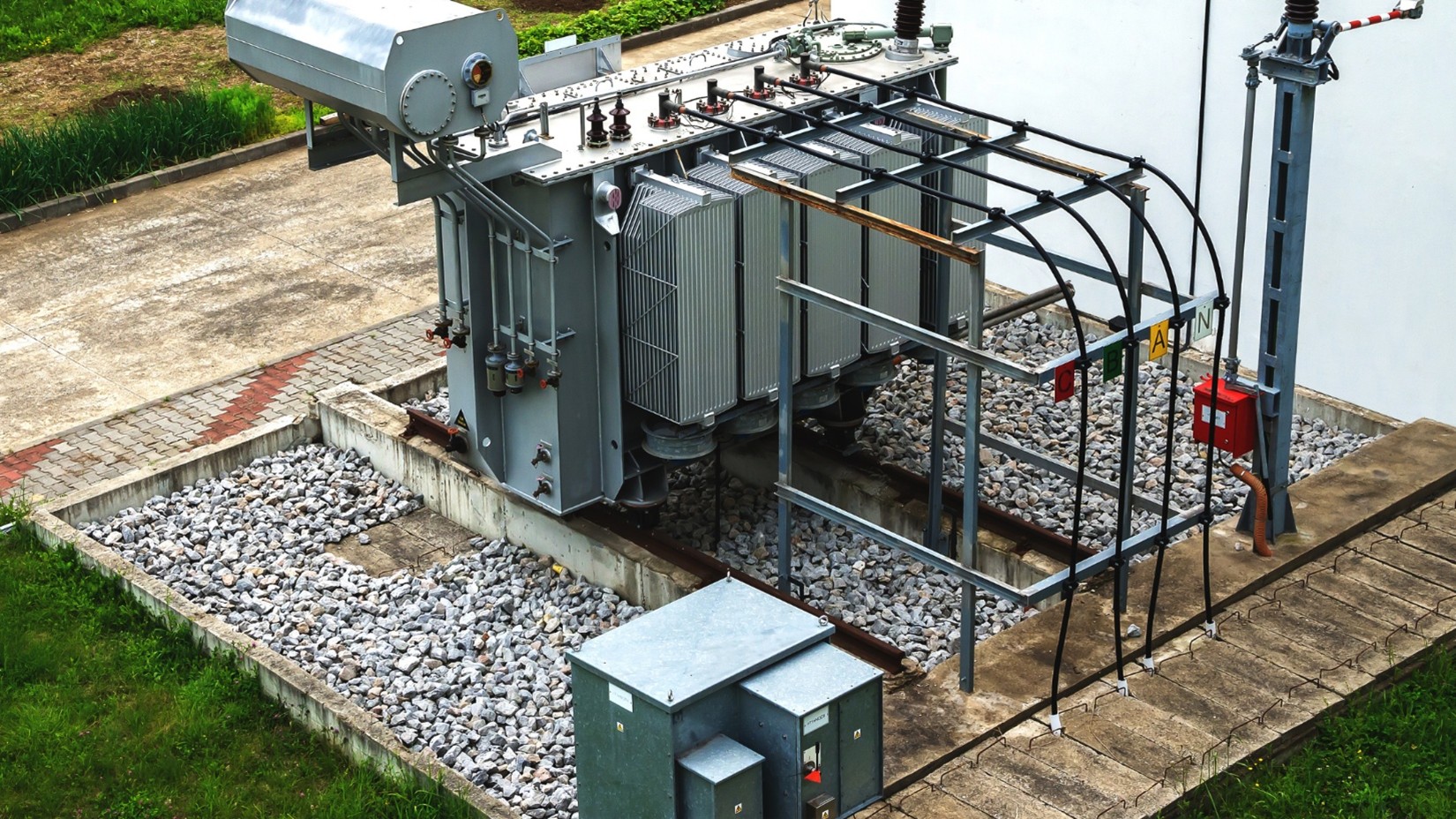
ATS rental services in Boston tends to show up early in planning conversations when hospitals prepare for electrical upgrades. Not because it’s the headline piece of equipment, but because nothing works without controlled switching.
Hospitals don’t get to “schedule downtime” the way other facilities might. Surgeries, ICU equipment, imaging systems, everything depends on stable power at all times.
So when electrical systems need upgrades, replacements, or expansion, the challenge becomes clear:
How do you change critical infrastructure without interrupting patient care?
The answer usually involves temporary power. And a lot of careful planning behind it.
- Why hospital upgrades are different from other facilities
- The hidden risk during “planned” upgrades
- The role of temporary UPS in hospital settings
- Why generators alone aren’t enough
- Why ATS Rental Services in Boston matter during transitions
- Planning around patient care, not just equipment
- Why temporary setups are preferred during upgrades
- What happens if you skip temporary power planning
- The goal is invisible transitions
- FAQs
Why hospital upgrades are different from other facilities
In most buildings, a short outage is inconvenient.
In hospitals, it can be dangerous.
Even a brief interruption can affect:
- Ventilators
- Monitoring systems
- Operating room equipment
- Medication storage systems
Hospitals already have backup generators. That’s standard. But during upgrades, even those systems may be part of the work being done.
That creates exposure.
Facilities often turn to UPS rental in Boston to maintain stability while permanent systems are being modified or temporarily taken offline.
The hidden risk during “planned” upgrades
Planned doesn’t mean risk-free.
Electrical upgrades often involve:
- Disconnecting existing systems
- Re-routing power feeds
- Installing new switchgear
- Testing new configurations
Each step introduces a moment where something could drop or fail to transfer cleanly.
Hospitals don’t wait to see what happens.
They build layers of protection before work begins. That includes temporary systems that carry the load while permanent infrastructure is in transition.
The role of temporary UPS in hospital settings
A temporary UPS acts as the first line of defense.
The moment utility power changes, or internal systems are disconnected, the UPS holds the load without delay.
That matters in environments where even milliseconds count.
Using UPS system rental in Boston, hospitals can:
- Maintain consistent voltage to sensitive equipment
- Protect critical systems during switching
- Support areas where permanent UPS systems are offline
This isn’t about replacing existing infrastructure. It’s about protecting it while changes are being made.
Why generators alone aren’t enough
Hospitals already rely on generators for backup power. They’re required.
But generators have one limitation during upgrades, they don’t start instantly.
There’s always a short delay between power loss and generator output.
In normal operations, that delay is covered by permanent UPS systems. During upgrades, those systems may not be fully available.
That’s why temporary UPS fills the gap.
Facilities using UPS power rental in Boston ensure that there’s no interruption while generators start, stabilize, or get reconnected as part of the upgrade process.

Why ATS Rental Services in Boston matter during transitions
Power sources don’t just need to exist. They need to transition cleanly.
Hospitals often juggle multiple sources during upgrades:
- Utility power
- Backup generators
- Temporary UPS systems
- Temporary generators
Switching between these manually introduces risk.
ATS rental services in Boston allows facilities to automate that process. Loads shift instantly based on conditions, without waiting for manual intervention.
This becomes especially important when:
- Upgrades happen in phases
- Systems are brought online gradually
- Redundant feeds are tested under load
Without proper switching, even strong backup systems can fail at the exact moment they’re needed.
Planning around patient care, not just equipment
Electrical upgrades in hospitals aren’t scheduled based on convenience. They’re scheduled around patient impact.
That means:
- Working in phases instead of full shutdowns
- Prioritizing critical departments first
- Keeping redundancy active at all times
Temporary systems make that possible.
With portable ATS rental in Boston, teams can isolate specific areas, perform upgrades, and keep the rest of the facility running without interruption.
It’s not just about power, it’s about continuity of care.
Why temporary setups are preferred during upgrades
Permanent upgrades take time. They also require parts of the system to be offline during installation.
Temporary solutions fill that gap without forcing downtime.
Using UPS trailer mounted rental in Boston, hospitals can:
- Add capacity quickly
- Support large loads during transitions
- Remove equipment once upgrades are complete
This keeps projects moving without extending timelines or increasing risk.
What happens if you skip temporary power planning
Problems don’t always show up right away.
They usually appear during transitions:
- Equipment resets unexpectedly
- Systems lose synchronization
- Backup systems fail to engage correctly
In a hospital, even a brief disruption can create a chain reaction.
That’s why ATS rental services in Boston and temporary UPS systems are treated as part of the upgrade, not an extra.
They protect the moments where things are most likely to go wrong.
The goal is invisible transitions
Patients and staff shouldn’t notice when electrical work is happening.
That’s the standard hospitals aim for.
By combining temporary UPS, generators, and controlled switching, facilities can move through major upgrades while everything continues running as expected.
No alarms. No interruptions. No surprises.
Just steady operation while critical systems behind the scenes are being improved.
FAQs
Do hospitals ever shut down power during upgrades?
No, not in a full sense. Work is done in phases with temporary systems in place so critical areas always stay powered.
How long are temporary power systems used in hospitals?
It varies. Some upgrades take a few days, while larger infrastructure projects can use temporary systems for several weeks.
Is a UPS really necessary if a hospital has generators?
Yes. Generators don’t respond instantly. A UPS covers that gap and keeps sensitive equipment stable during transitions.
Reach out to us online at Air Power Consultants or if you need a UPS Power rental? Call us at (913) 894-0044. We help data centers. We help hospitals. We help businesses stay powered and protected. We listen. We engineer. We deliver backup power solutions that keep you running, no matter what.

We’re here to help you be resilient, decrease downtime, and keep ahead of outages. For updates, analysis, and practical power plans, follow on LinkedIn.