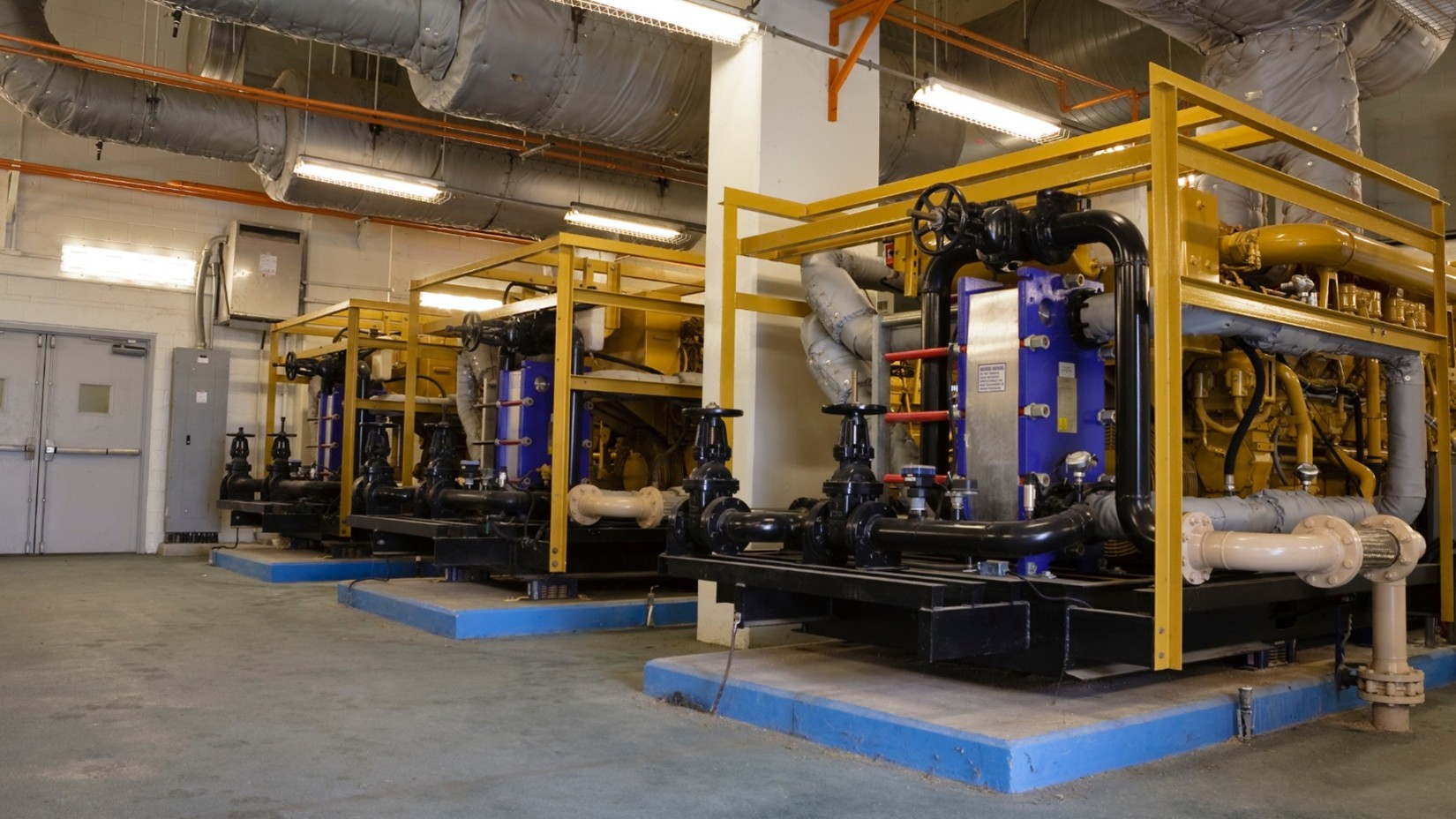
UPS rental in Kansas City is usually part of the plan long before anything goes wrong. But failures still happen. Systems trip. Batteries fail. Loads exceed expectations. And when backup power drops in a critical facility, there’s no time to figure things out on the fly.
The question isn’t if something will fail. It’s how ready you are when it does.
- What failure actually looks like in real time
- The first few minutes matter most
- Why redundancy sometimes isn’t enough
- The role of rapid deployment systems
- Switching under pressure
- Communication breakdowns cause bigger problems
- Load prioritization keeps things controlled
- Why pre-planning changes everything
- Testing reveals what plans miss
- The cost of getting it wrong
- Why UPS Rental in Kansas City stays part of emergency planning
- Staying operational when systems fail
- FAQs
What failure actually looks like in real time
When backup power fails, it rarely happens in a clean, predictable way. Sometimes it’s instant. Systems go dark. Alarms trigger. Equipment shuts down mid-process.
Other times it’s partial. Voltage dips. Certain systems stay online while others drop. That’s often more dangerous because the problem isn’t obvious right away.
Facilities dealing with data centers, healthcare equipment, or manufacturing lines feel this immediately. There’s no buffer. No pause button. That’s why ATS equipment rentals in Kansas City becomes a central part of the conversation, not just an add-on.
That’s why response plans need to be built around speed and clarity.
The first few minutes matter most
The initial response window is short. UPS rental in Kansas City teams don’t have time to debate next steps.
Most facilities rely on predefined escalation paths:
- Identify the failure source
- Stabilize critical loads
- Activate secondary backup if available
- Isolate affected systems
If that process isn’t clearly defined ahead of time, delays stack up fast. This is where UPS power rental in Kansas City becomes part of contingency planning, not just project support. Having systems ready to deploy, or already staged, changes how quickly a facility can recover.
Why redundancy sometimes isn’t enough
Redundant systems are built to prevent failure. But they aren’t immune to it.
Common reasons redundancy fails:
- Maintenance gaps
- Overloaded circuits
- Synchronization issues
- Human error during switching
Facilities often assume redundancy will carry them through any scenario. In reality, it reduces risk but doesn’t eliminate it. That’s why emergency response plans often include external systems as a backup to the backup.
The role of rapid deployment systems
When internal systems fail, the next step is bringing in temporary support. This is where UPS system rental in Kansas City plays a role during emergencies.
These systems can be deployed quickly to stabilize loads and prevent extended downtime. The key is compatibility. Temporary systems need to match the facility’s load profile and integrate without delay.
Facilities that pre-plan this step recover faster than those scrambling to source equipment during an outage.
Switching under pressure
Power transitions are where many failures escalate.
If switching isn’t handled correctly, you can:
- Drop remaining loads
- Damage equipment
- Extend downtime
That’s why portable ATS rental in Kansas City is often included in emergency setups. Portable transfer switches allow teams to reroute power quickly and safely, even in unpredictable conditions. Without them, switching becomes manual, slower, and riskier.
Communication breakdowns cause bigger problems
Technical failure is only part of the issue. During an outage, communication often becomes the weak point.
Teams may not know:
- Who is in charge
- What systems are prioritized
- What step comes next
Clear communication protocols matter just as much as equipment. Facilities that run drills and simulate outages tend to respond faster and with fewer mistakes.
Load prioritization keeps things controlled
Not everything needs to stay online. One of the most effective strategies during a failure is load prioritization.
Facilities identify:
- Critical systems that must stay running
- Systems that can shut down temporarily
- Systems that can restart later
This reduces strain on temporary systems and helps stabilize operations faster. It also prevents overloading backup systems during recovery.
Why pre-planning changes everything
Facilities that build emergency response plans ahead of time handle failures differently.
They already know:
- Where temporary systems will connect
- How loads will transfer
- Who is responsible for each step
This is where UPS stand alone rental in Kansas City often gets staged in advance for high-risk environments. Instead of reacting, they’re executing a plan. That difference shows up in downtime numbers.
Testing reveals what plans miss
Plans on paper don’t always hold up in real situations. That’s why testing matters.
Facilities run:
- Load bank tests
- Transfer simulations
- Full outage drills
These tests expose weak points before they become real problems. They also give teams confidence in the process.
The cost of getting it wrong
Backup power failures aren’t just technical issues. They’re financial ones.
Downtime costs can include:
- Lost production
- Data recovery
- Equipment damage
- Contract penalties
In some industries, even a few minutes can mean significant losses. That’s why investing in planning, testing, and temporary systems usually costs less than reacting to a failure.
Why UPS Rental in Kansas City stays part of emergency planning
Facilities don’t just use temporary systems for planned projects. They use them as part of their emergency strategy.
Having access to UPS Rental in Kansas City means there’s a path to recovery even when internal systems fail. It’s not about replacing permanent infrastructure. It’s about having another layer when things don’t go as expected.
Staying operational when systems fail
No system is perfect. Failures happen. What separates facilities isn’t whether they experience outages. It’s how they respond when they do.
The ones that recover quickly:
- Plan ahead
- Test regularly
- Use temporary systems strategically
- Keep communication clear
That’s how operations stay controlled, even when backup power doesn’t.
FAQs
What should a facility do immediately after backup power fails?
Start by identifying the failure source and stabilizing critical loads. From there, teams move to secondary systems or temporary power while isolating the issue.
Can temporary UPS systems be deployed during an emergency?
Yes. Many providers can deploy systems quickly, especially if planning has already been done ahead of time.
How often should emergency power plans be tested?
At least once or twice a year. Some facilities test more often depending on how sensitive their operations are.
We help data centers. We help hospitals. We help businesses stay powered and protected.
We listen. We engineer. We deliver backup power solutions that keep you running, no matter what.

Want to talk critical infrastructure? Fill out a form here or call us at (913) 894-0044.
We’re here to help you be resilient, decrease downtime, and keep ahead of outages.
For updates, analysis, and practical power plans, follow Air Power Consultants on LinkedIn.