UPS rental in Kansas City is usually part of the conversation before a manufacturing facility even starts a power transition. That’s because in production environments, a shutdown isn’t just inconvenient. It’s expensive, disruptive, and sometimes unsafe.
Power transitions happen during upgrades, maintenance, or system expansions. The challenge is keeping production running while those changes take place. For that you need ATS equipment rentals in Kansas City.
- Why manufacturing facilities can’t afford downtime
- Temporary systems keep lines running
- Managing transitions without interruption
- Supporting different sections of the facility
- Handling larger loads during transitions
- Planning the transition in stages
- Why load testing matters
- Communication keeps everything aligned
- Why UPS Rental in Kansas City is part of the process
- Keeping production moving during change
- FAQs
Why manufacturing facilities can’t afford downtime
Manufacturing lines are built for consistency. Processes are timed. Equipment runs in sequence. Materials move continuously. When power drops, everything stops at once.
That can lead to:
- Damaged products mid-process
- Equipment stress or failure
- Lost production time
- Restart delays
Even a short interruption can take hours to recover from. That’s why facilities plan transitions carefully instead of relying on quick shutdowns.
Temporary systems keep lines running
The most common way facilities avoid shutdowns is by using temporary power. Instead of disconnecting systems during upgrades, they bring in external support.
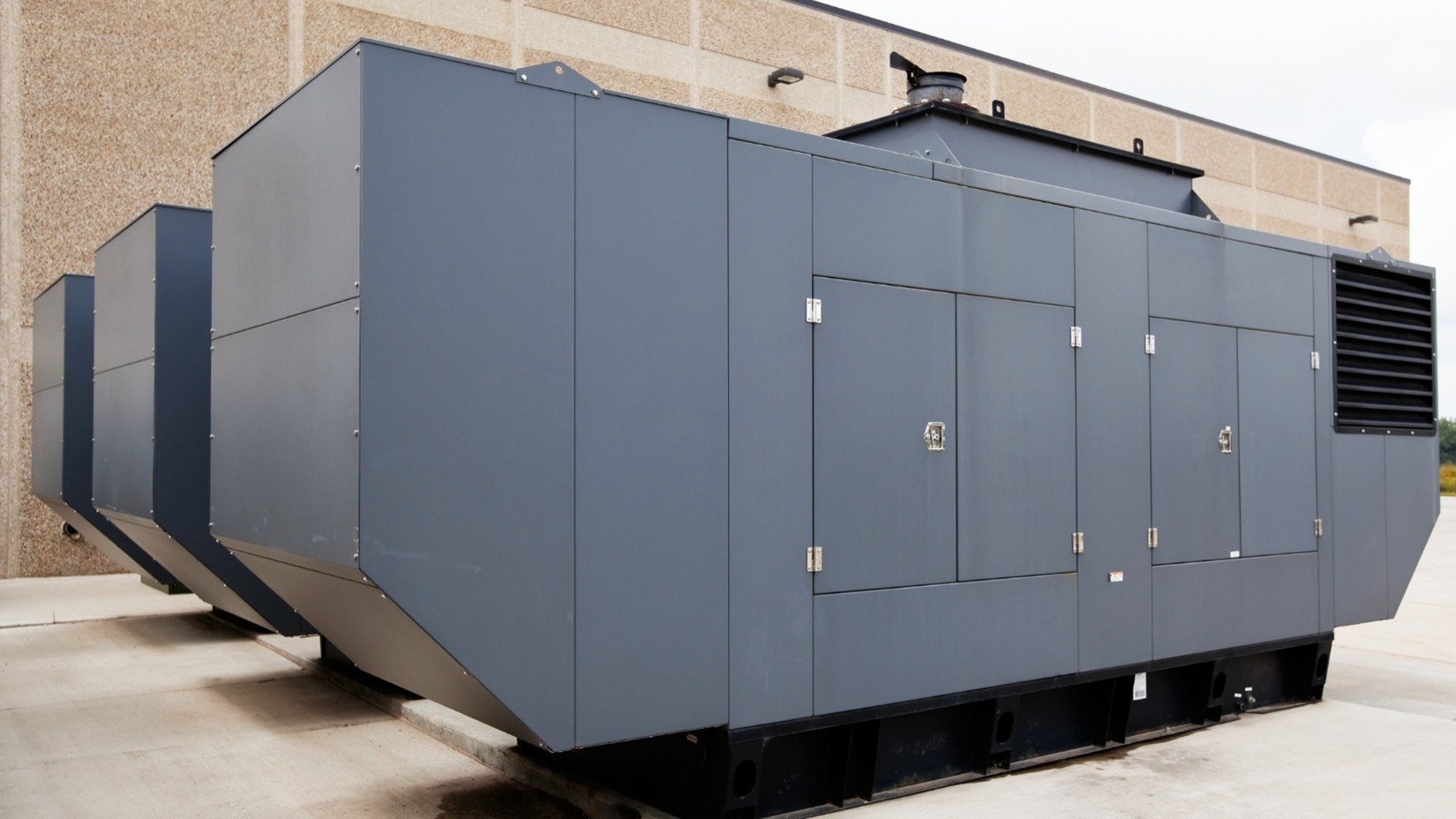
This is where UPS system rental in Kansas City plays a role. Temporary UPS systems maintain consistent power while permanent infrastructure is being modified. Production continues while work happens in parallel.
Managing transitions without interruption
Switching between power sources is one of the most sensitive parts of the process. If transitions aren’t handled correctly, even a brief interruption can stop production.
That’s why automatic transfer switch rental in Kansas City is often included. Transfer switches allow facilities to move between power sources without disrupting equipment. It’s what keeps everything running during the actual transition.
Supporting different sections of the facility
Manufacturing facilities are rarely one single system. They’re made up of multiple production areas, each with different power needs.
Some sections may be upgraded while others stay fully operational. This is where UPS stand alone rental in Kansas City becomes useful.
Stand-alone systems can support specific areas without affecting the rest of the facility. It allows for more controlled, phased upgrades.
Handling larger loads during transitions
Some facilities need to support entire production lines or large equipment loads. In those cases, larger systems are required.
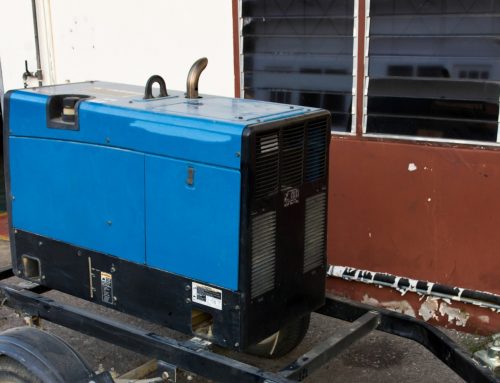
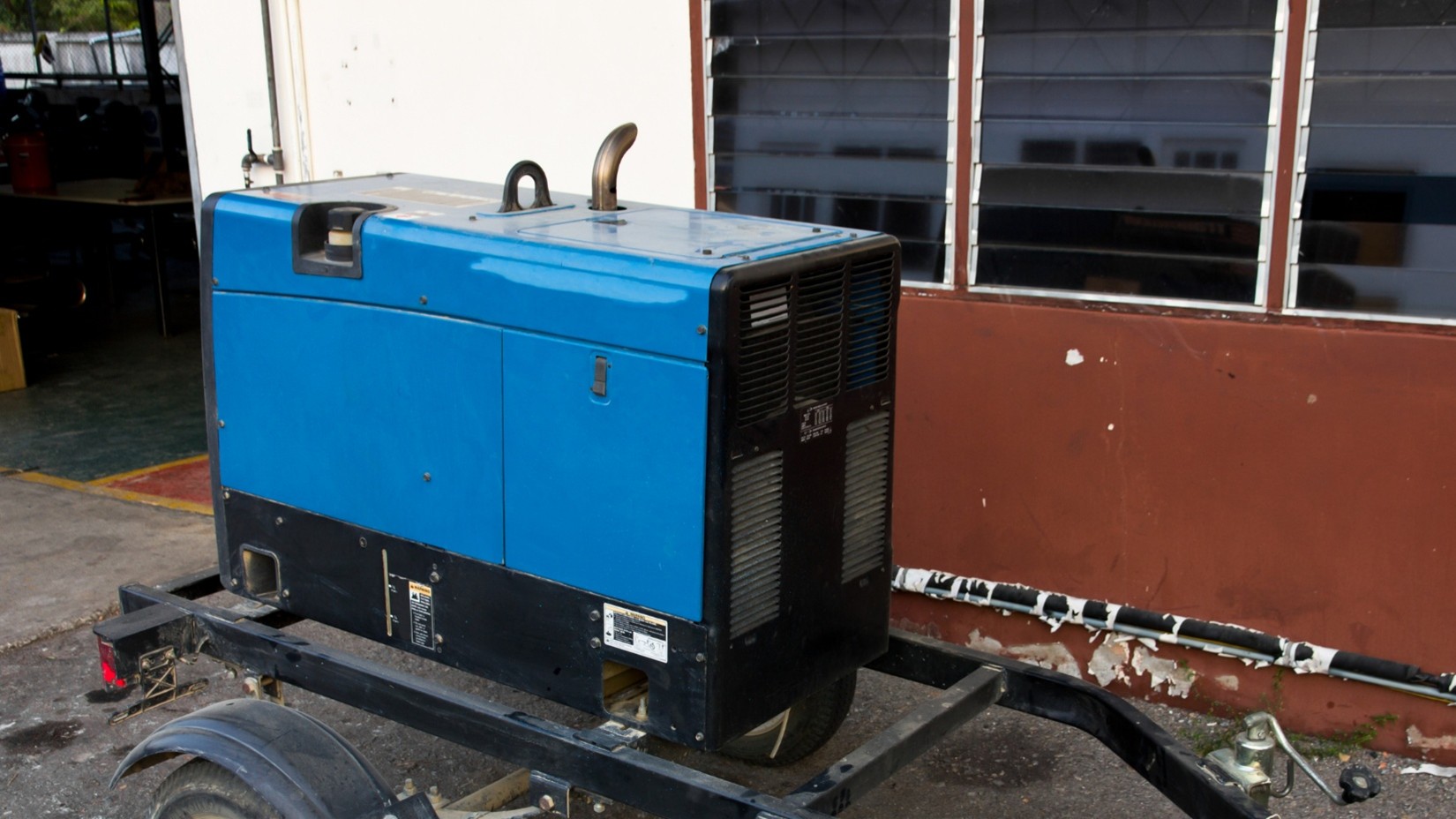
That’s where UPS trailer mounted rental in Kansas City comes in. These systems handle higher capacity and can support broader sections of a facility during transitions. They’re often used for longer or more complex projects.
Planning the transition in stages
Successful transitions don’t happen all at once.
Facilities break the process into stages:
- Identify which systems will be affected
- Shift loads to temporary power
- Complete upgrades in sections
- Test before moving to the next phase
This staged approach reduces risk and allows adjustments along the way.
Why load testing matters
Before any transition, facilities need to know exactly how systems will behave.
Load testing helps identify:
- Capacity limits
- Potential weak points
- Equipment compatibility
Without testing, the first real test happens during live operation. That’s where problems tend to show up.
Communication keeps everything aligned
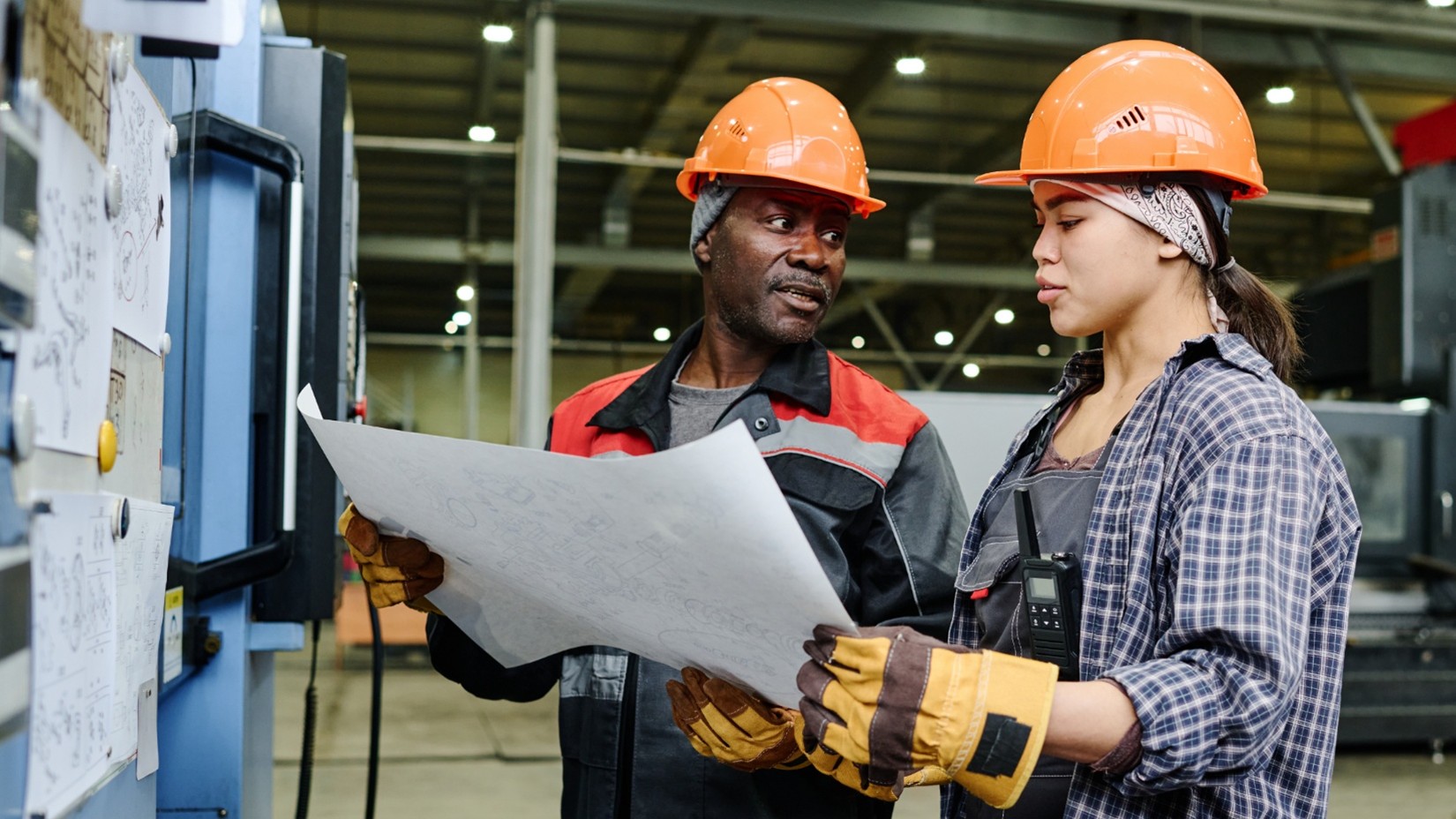
Power transitions involve multiple teams. Engineers, electricians, operators, and external providers all need to stay coordinated.
Clear communication ensures:
- Everyone knows the timing
- Responsibilities are defined
- Backup plans are understood
Without that coordination, even well-planned transitions can run into issues.
Why UPS Rental in Kansas City is part of the process
Facilities don’t rely on chance during transitions. They build systems that allow them to stay operational. That’s why UPS rental in Kansas City becomes part of the planning process early. It provides stability while permanent systems are being changed.
Keeping production moving during change
Manufacturing facilities don’t stop unless they have to. By using temporary systems, planning transitions in stages, and managing loads carefully, they avoid unnecessary downtime.
The goal isn’t just to complete the upgrade. It’s to do it without interrupting production.
FAQs
How do manufacturing facilities avoid shutting down during upgrades?
They use temporary power systems and phased planning to keep production running while work is completed.
Are UPS systems enough to prevent downtime?
They help significantly, but proper switching and planning are also required to maintain continuity.
How long do power transitions usually take?
It depends on the scope of the project. Some transitions take hours, while others may take several days.
We help data centers. We help hospitals. We help businesses stay powered and protected.
We listen. We engineer. We deliver backup power solutions that keep you running—no matter what.

Want to talk critical infrastructure? Fill out a form here or call us at (913) 894-0044.
We’re here to help you be resilient, decrease downtime, and keep ahead of outages.
For updates, analysis, and practical power plans, follow Air Power Consultants on LinkedIn.