UPS trailer mounted rental in Kansas City is often what people search first when they’re trying to figure out temporary power options. It sounds straightforward. Bigger system, more capacity, problem solved.
But that’s not always how it plays out in real facilities.
Choosing between stand-alone and trailer-mounted UPS systems comes down to how your facility operates, how much space you have, and how long you need support in place. Larger or more complex environments usually bring in outside expertise like critical power consultant in Kansas City.
- What stand-alone UPS systems are really used for
- Where trailer-mounted systems make more sense
- The space question most facilities overlook
- Load size changes the decision quickly
- Setup time isn’t always what people expect
- Mobility during a project
- How switching ties into the decision
- Cost differences aren’t always obvious
- Why facilities sometimes use both
- Why UPS trailer mounted rental in Kansas City comes up so often
- Making the right call for your setup
- FAQs
What stand-alone UPS systems are really used for
Stand-alone systems are usually brought in when space is tight or when loads are more contained. You’ll see them inside buildings, near server rooms, or positioned close to specific equipment that needs protection.
That’s where UPS stand alone rental in Kansas City fits best.
They’re easier to position indoors. They don’t require as much external setup. And they’re often quicker to connect when you’re dealing with smaller sections of a facility.
For short-term projects or targeted upgrades, they tend to be the practical option.
Where trailer-mounted systems make more sense
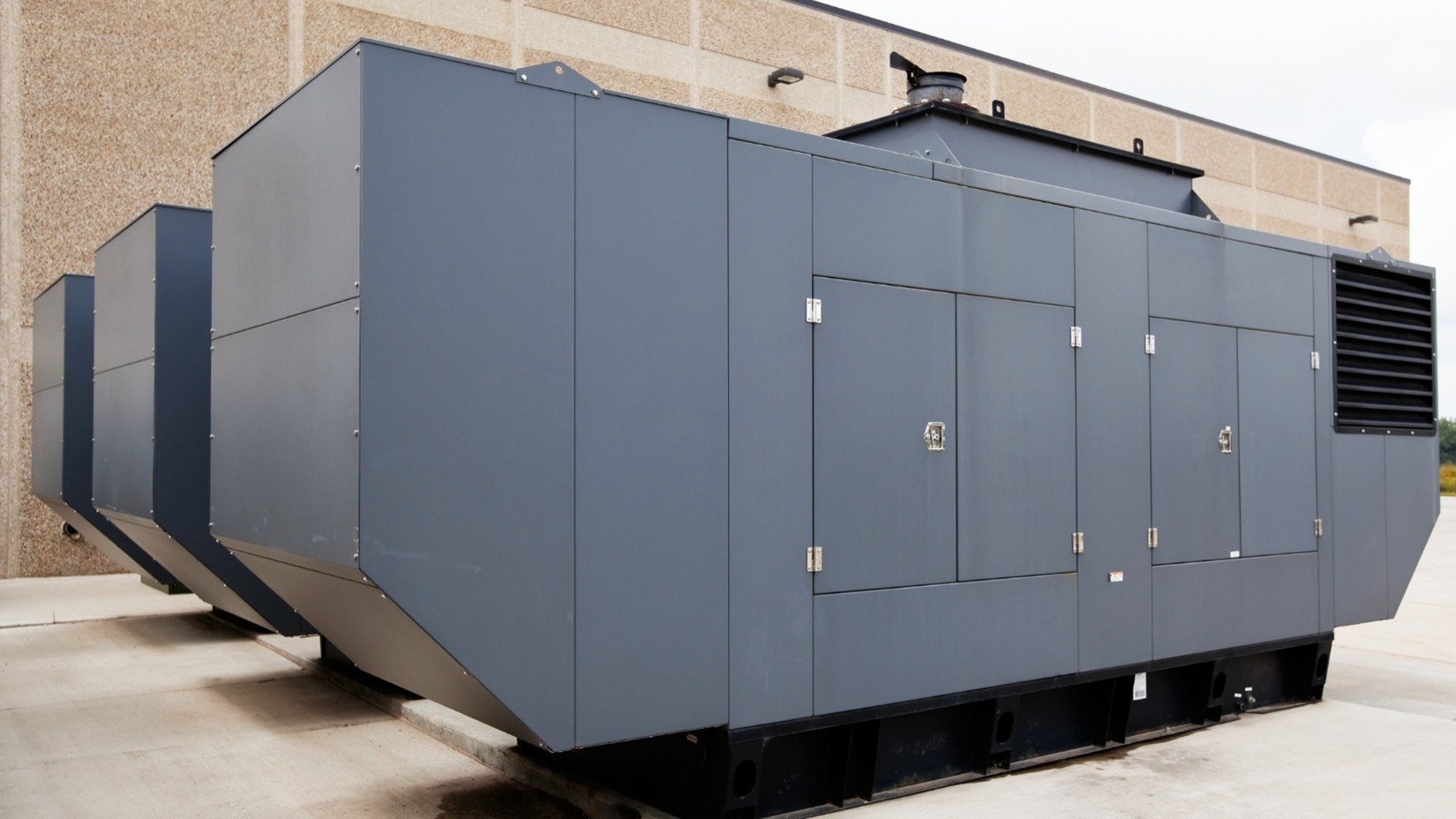
Trailer-mounted systems are built for scale. They’re designed to sit outside and handle larger loads across entire facilities or major sections.
That’s why UPS trailer mounted rental in Kansas City is common for:
- Data centers
- Manufacturing plants
- Large commercial buildings
These systems can support higher capacities and stay in place for longer projects. They also keep equipment outside, which helps free up indoor space and reduce heat buildup.
The space question most facilities overlook
Space ends up being one of the deciding factors. Some facilities simply don’t have room for large indoor equipment. Others don’t have the exterior access needed for trailers.
It’s not just about square footage either. It’s about access points, cable routing, and how close the system can get to the load.
This is where UPS rental in Kansas City planning becomes more detailed than most expect. A system might look perfect on paper but fail once you try to position it on-site.
Load size changes the decision quickly
Smaller loads can often be handled by stand-alone systems without much complication. As load requirements increase, trailer-mounted systems start to make more sense.
They’re built to scale. You can add capacity, adjust configurations, and support longer durations without constantly reworking the setup. Facilities dealing with large electrical upgrades or extended maintenance windows usually lean in this direction.
Setup time isn’t always what people expect
There’s an assumption that smaller systems are always faster to deploy. Sometimes that’s true. But not always.
Stand-alone systems may require more internal coordination, especially in tight spaces. Trailer-mounted systems, while larger, can sometimes be quicker to stage and connect from the outside.
That’s where UPS system rental in Kansas City planning makes a difference. Knowing your connection points and routing ahead of time speeds everything up.
Mobility during a project
Projects don’t always stay fixed in one place. Some upgrades move through different sections of a facility. Stand-alone systems can be repositioned more easily in those cases.
Trailer-mounted systems are more stationary. Once they’re set, they tend to stay put. Facilities working in phases often mix both options depending on where the work is happening.
How switching ties into the decision
UPS systems don’t operate in isolation. They rely on switching equipment to move loads without interruption. That’s where automatic transfer switch rental in Kansas City comes into play.
Regardless of which UPS type you choose, switching needs to be planned alongside it. Without proper transfer capability, even the best UPS setup can’t maintain continuity during transitions.
Cost differences aren’t always obvious
At first glance, stand-alone systems may seem less expensive. But cost depends on more than just equipment size.
You also have to factor in:
- Installation complexity
- Project duration
- Load requirements
- Additional equipment
Trailer-mounted systems may cost more upfront but can reduce complexity for larger projects. Stand-alone systems can be more efficient for smaller, targeted needs.
Why facilities sometimes use both
It’s not always a decision either. Some facilities use trailer-mounted systems for primary load support while placing stand-alone units near sensitive equipment.
This layered approach gives more control during upgrades or maintenance. It also reduces risk if one part of the system needs adjustment.
Why UPS trailer mounted rental in Kansas City comes up so often
Larger systems tend to dominate the conversation because they handle more visible problems. But that doesn’t mean they’re always the right fit.
The reason UPS trailer mounted rental in Kansas City gets so much attention is simple. It solves big challenges quickly. The key is knowing whether your facility actually has that kind of challenge.
Making the right call for your setup
Choosing between stand-alone and trailer-mounted systems isn’t about picking the bigger option. It’s about matching the system to your environment.
Facilities that take time to evaluate:
- Space constraints
- Load size
- Project duration
- Access points
That’s what keeps operations steady while everything behind the scenes is being upgraded.
FAQs
Which UPS system is better for smaller facilities?
Usually stand-alone systems work better for smaller spaces or targeted equipment since they’re easier to position indoors.
Are trailer-mounted UPS systems only for large projects?
Mostly, yes. They’re designed for higher loads and longer durations, but they can still be used in mid-sized facilities if needed.
Can you switch between UPS types during a project?
Sometimes. Facilities running phased upgrades may use different systems at different stages depending on load and location.
We help data centers. We help hospitals. We help businesses stay powered and protected.
We listen. We engineer. We deliver backup power solutions that keep you running—no matter what.

Want to talk critical infrastructure? Fill out a form here or call us at (913) 894-0044.
We’re here to help you be resilient, decrease downtime, and keep ahead of outages.
For updates, analysis, and practical power plans, follow Air Power Consultants on LinkedIn.