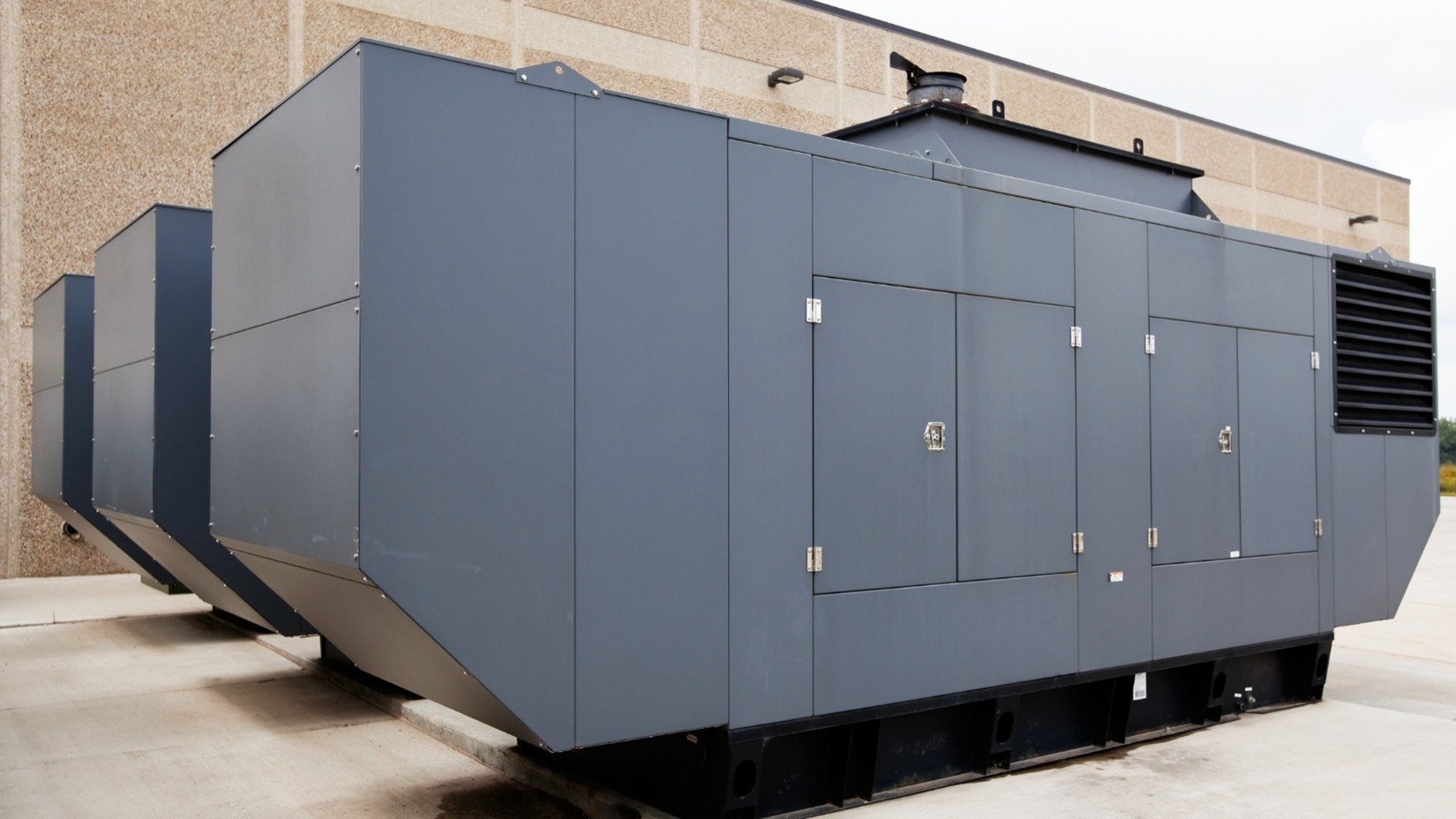
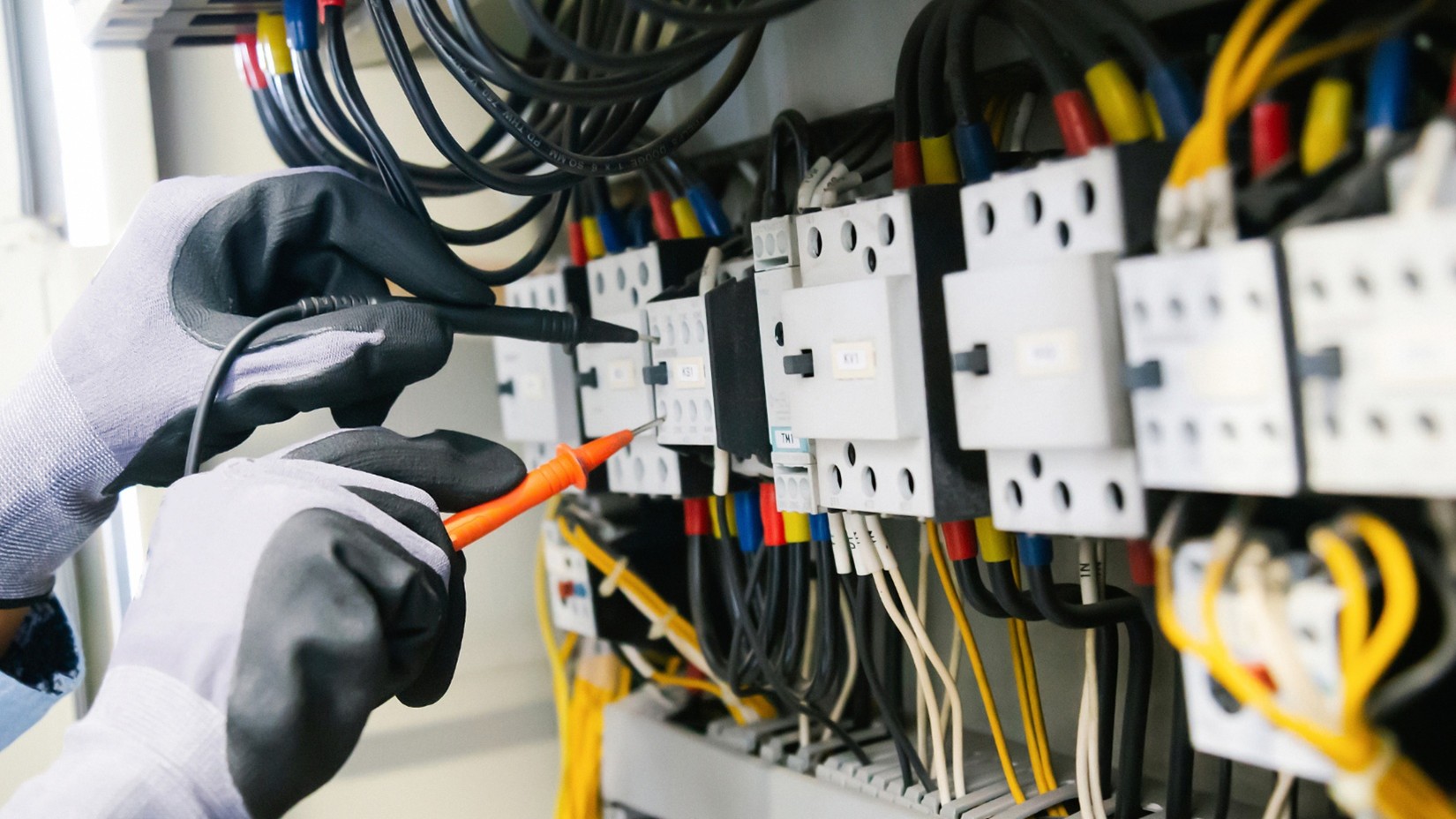
ATS equipment rentals in Kansas City is often the first thing facility managers search when they realize an upgrade could interrupt operations. Electrical upgrades aren’t optional forever. Equipment ages out. Capacity needs change. Compliance requirements shift. The problem is that even a short shutdown can ripple through an entire operation.
So the real question becomes: how do you upgrade your electrical infrastructure without everything going dark?
- Why upgrades create real risk
- Temporary power fills the gap
- The role of switching systems
- Not all UPS setups are the same
- Planning starts earlier than most expect
- Sequencing the upgrade
- Where consultants make a difference
- Real-world challenges that come up
- Why redundancy still matters during upgrades
- The cost side of downtime
- Why ATS Equipment Rentals in Kansas City keeps coming up
- Keeping operations steady during change
- FAQs
Why upgrades create real risk
Most facilities weren’t built with constant expansion in mind. Power systems get added in layers over time. Panels get upgraded. Loads increase. Redundancy gets patched together.
At some point, you need a planned upgrade. That might mean replacing switch gear, adding capacity, or modernizing distribution.
The risk shows up the moment power has to be interrupted.
Even a “short” outage can:
- Shut down production lines
- Corrupt data
- Damage sensitive equipment
- Trigger safety concerns
Facilities that handle data, healthcare, or manufacturing don’t have much tolerance for that kind of disruption. That’s where planning changes everything.
Temporary power fills the gap
Most facilities avoid downtime by building a temporary bridge between old systems and new ones. Instead of shutting everything off, they bring in external systems that carry the load during the transition. This is where solutions like UPS rental in Kansas City come into play.
A temporary UPS system keeps power flowing while permanent infrastructure is upgraded behind the scenes. It’s not just about backup. It’s about continuity.
You’re essentially creating a parallel system that holds everything steady.
The role of switching systems
Power isn’t just about generating electricity. It’s about controlling how it moves.
During upgrades, loads often need to shift between sources without interruption. That requires precise coordination. This is where automatic transfer switch rental in Kansas City becomes part of the strategy.
Transfer switches allow facilities to move from utility power to temporary systems without a noticeable break. The transition happens fast enough that critical equipment keeps running. Without that layer, even the best temporary power setup can fall short.
Not all UPS setups are the same
Facilities don’t all need the same type of temporary support. The setup depends on load size, space, and how long the upgrade will take.
Some projects lean toward UPS stand alone rental in Kansas City. These systems are compact and fit well in tighter environments.
Others require larger, scalable options like UPS trailer mounted rental in Kansas City. These are built for heavier loads and longer projects. Choosing the wrong setup can create gaps. That’s why load testing and planning come first.
Planning starts earlier than most expect
The biggest mistake facilities make is waiting too long to plan. Electrical upgrades aren’t just construction projects. They’re operational events.
You need to map out:
- Current load requirements
- Redundancy needs
- Transition timing
- Failure scenarios
Facilities that bring in support early tend to avoid surprises. Those that don’t often end up reacting mid-project. And reacting during a live upgrade is where risk increases fast.
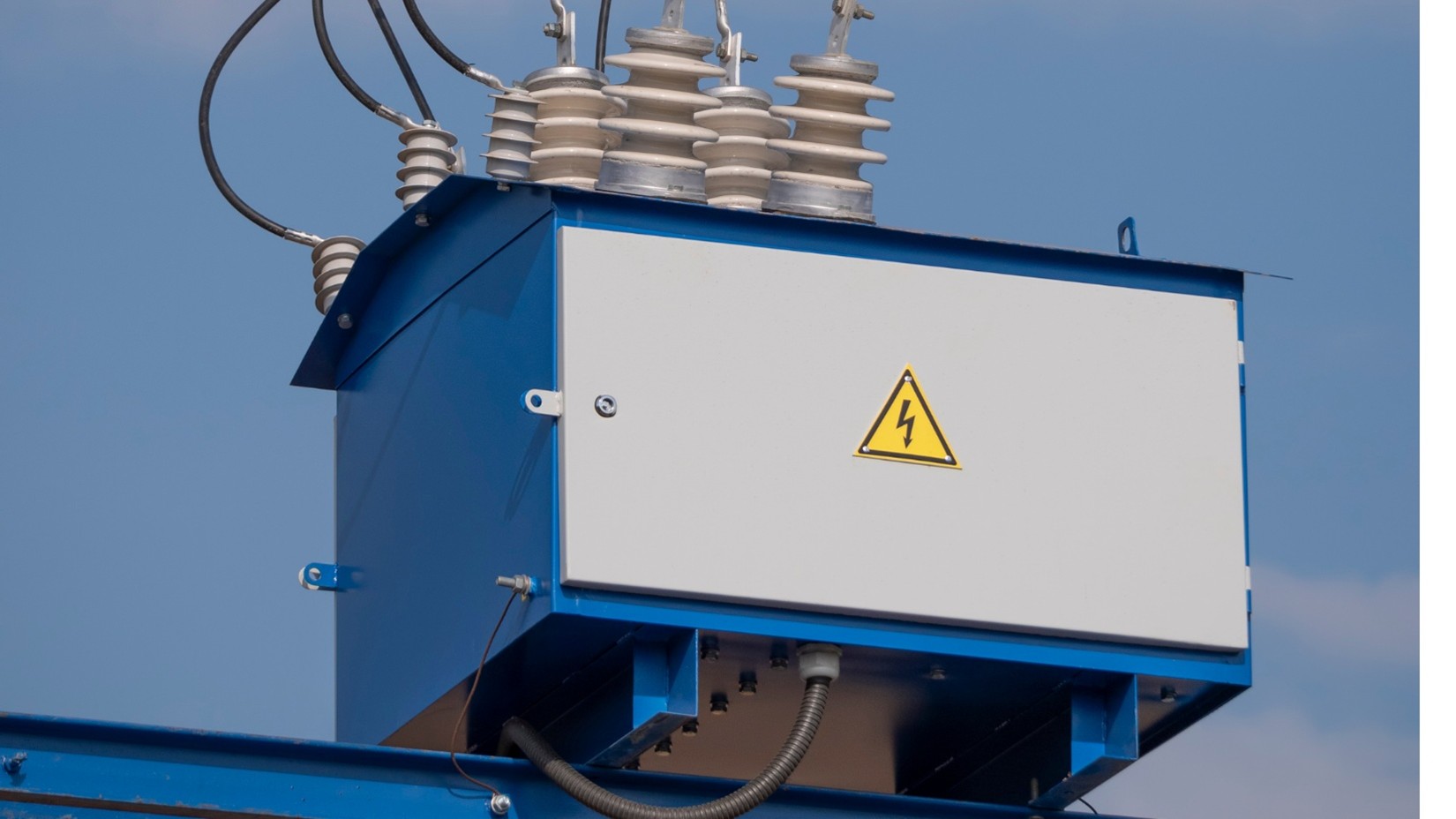
Sequencing the upgrade
A well-run upgrade doesn’t happen all at once. It happens in stages. Power is rerouted in sections. Systems are upgraded in phases. Temporary support shifts as needed. This kind of sequencing allows parts of the facility to stay online while others are being worked on.
It also gives teams the ability to test each stage before moving forward. If something doesn’t behave as expected, adjustments can be made without shutting everything down.
Where consultants make a difference
Some facilities try to manage upgrades internally. That can work for smaller systems.
Larger or more complex environments usually bring in outside expertise like critical power consultant in Kansas City. These teams focus on identifying weak points before they become problems.
They look at:
- Load balancing
- Equipment compatibility
- Transition timing
- Emergency contingencies
It’s less about adding complexity and more about removing uncertainty.
Real-world challenges that come up
Even with a solid plan, upgrades rarely go exactly as expected. Equipment delays happen. Load demands shift. Weather can interfere with timelines. Facilities that stay online during upgrades usually build flexibility into their plan.
That might mean:
- Extending temporary power timelines
- Scaling systems up or down
- Adjusting transition windows
The goal isn’t perfection. It’s stability.
Why redundancy still matters during upgrades
Some facilities assume temporary systems replace redundancy. That’s not quite right. Redundancy still plays a role during upgrades. You’re layering temporary systems on top of existing ones.
For example, a facility might run:
- Utility power
- Temporary UPS
- Backup generators
All at once, depending on the phase of the project. That layered approach reduces the chance of a single point of failure.
The cost side of downtime
A lot of planning comes down to cost. Temporary systems aren’t free. But downtime is usually far more expensive. Lost production, damaged equipment, and recovery time add up quickly.
Facilities that invest in planning and temporary systems tend to avoid those larger losses. It’s less about spending more and more about controlling where the risk sits.
Why ATS Equipment Rentals in Kansas City keeps coming up
There’s a reason this phrase shows up often during upgrade planning. Switching systems are what make everything else work. Without reliable transfer capability, even the best UPS setup can’t maintain continuity.
That’s why ATS equipment rentals in Kansas City becomes a central part of the conversation, not just an add-on. It’s the link between power sources.
Keeping operations steady during change
Upgrading electrical infrastructure doesn’t have to mean shutting everything down. Facilities that stay online treat upgrades like a controlled transition instead of a one-time event.
They plan early. They bring in the right temporary systems. They test before committing. And they build enough flexibility to handle the unexpected. That’s how operations keep moving, even while the systems behind them are being rebuilt.
FAQs
How do facilities avoid downtime during electrical upgrades?
They rely on temporary systems like UPS units and transfer switches to keep power flowing while upgrades happen in stages. Planning and sequencing are what make it work.
Do all upgrades require temporary power systems?
Not always. Smaller facilities might handle short outages. Larger or sensitive environments almost always use temporary support to avoid risk.
How long can temporary UPS systems be used during a project?
They can stay in place for as long as needed. Some projects use them for a few days, others for several weeks depending on the scope.
We help data centers. We help hospitals. We help businesses stay powered and protected.
We listen. We engineer. We deliver backup power solutions that keep you running—no matter what.

Want to talk critical infrastructure? Fill out a form here or call us at (913) 894-0044.
We’re here to help you be resilient, decrease downtime, and keep ahead of outages.
For updates, analysis, and practical power plans, follow Air Power Consultants on LinkedIn.