If you’ve started looking into temporary backup power solutions, you’ve probably come across both standalone UPS rentals and trailer-mounted UPS rentals. On the surface, they sound pretty similar. Both are designed to keep critical equipment running when utility power fails. Both help prevent downtime. And both can play an important role in a temporary power plan.
So what separates them? It usually comes down to the project itself.
We’ve worked with customers who needed backup power inside a hospital during an electrical upgrade. We’ve also helped contractors who were managing temporary power on a construction site that changed almost weekly. Both projects required a UPS. The equipment we recommended was completely different. That’s because where the system will be used and how long it will be needed often matter just as much as the power requirements.
Let’s Start with the Basics
A UPS, or Uninterruptible Power Supply, is designed to provide immediate power when an outage occurs. Unlike a generator, which takes a few moments to start, a UPS responds instantly. That may not sound like a big deal until you think about the equipment that relies on continuous power. Servers, medical equipment, telecom systems, manufacturing controls, and security systems can all be affected by even a brief interruption. That’s one of the reasons companies often look for a UPS system rental in Houston when they’re planning maintenance, replacing electrical infrastructure, or preparing for a temporary project.
The goal is simple. Keep critical operations running while power sources are being changed, upgraded, or protected.
What Is a Standalone UPS Rental?
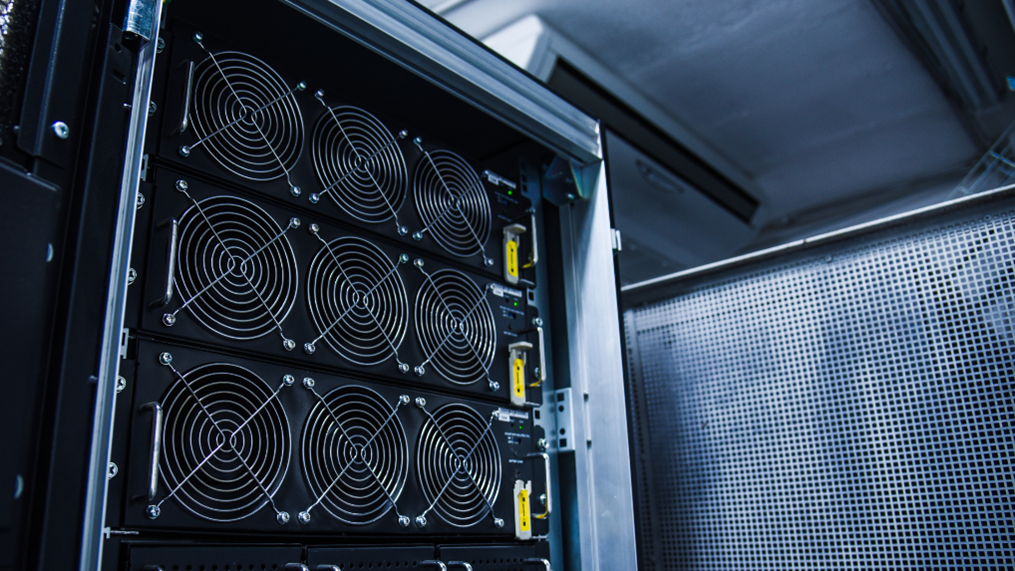
A standalone UPS is exactly what it sounds like. It’s a self-contained UPS system that gets installed inside a building or facility. Once it’s connected, it becomes part of the temporary electrical setup and remains there for the duration of the project.
Most of the time, we see standalone systems used in places like data centers, hospitals, manufacturing facilities, and commercial buildings. These are environments where the equipment being protected isn’t moving anywhere.
For example, if a data center is replacing switchgear or performing electrical maintenance, a standalone UPS can be brought in to provide protection throughout the project. Once the work is finished, the system is removed. It’s a straightforward solution, which is one reason it’s so popular.
Why Customers Choose Standalone UPS Systems
In many situations, customers simply need reliable backup power inside an existing facility. They’re not looking for mobility. They’re looking for stability.
A standalone UPS works well when:
- Equipment is located indoors
- The project will stay in one place
- Sensitive electronics need protection
- Temporary backup power is needed for days, weeks, or even months
When someone calls us looking for a UPS power rental in Houston for a hospital, office building, or data center, a standalone unit is often one of the first options we discuss.
What Is a Trailer-Mounted UPS Rental?
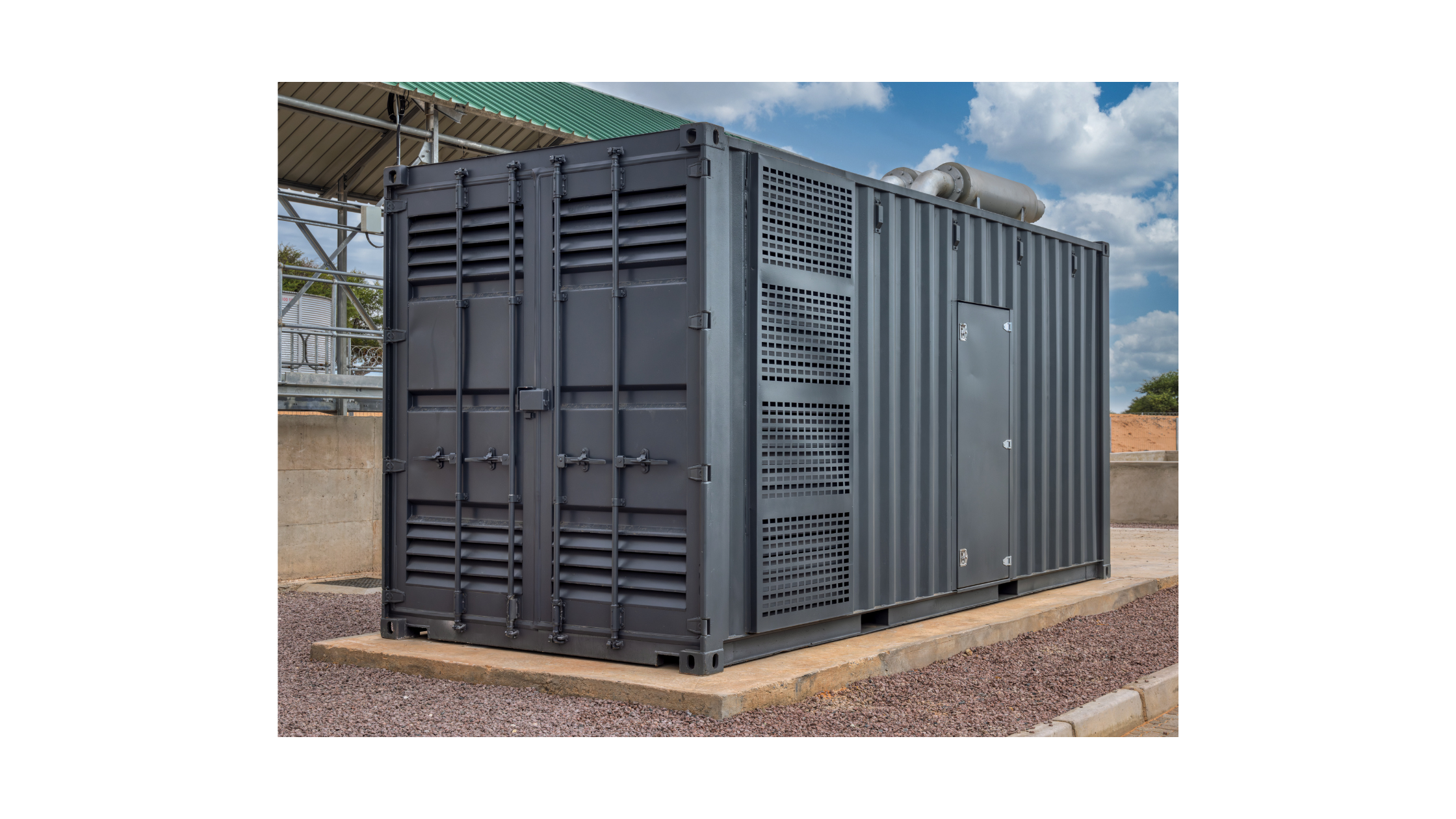
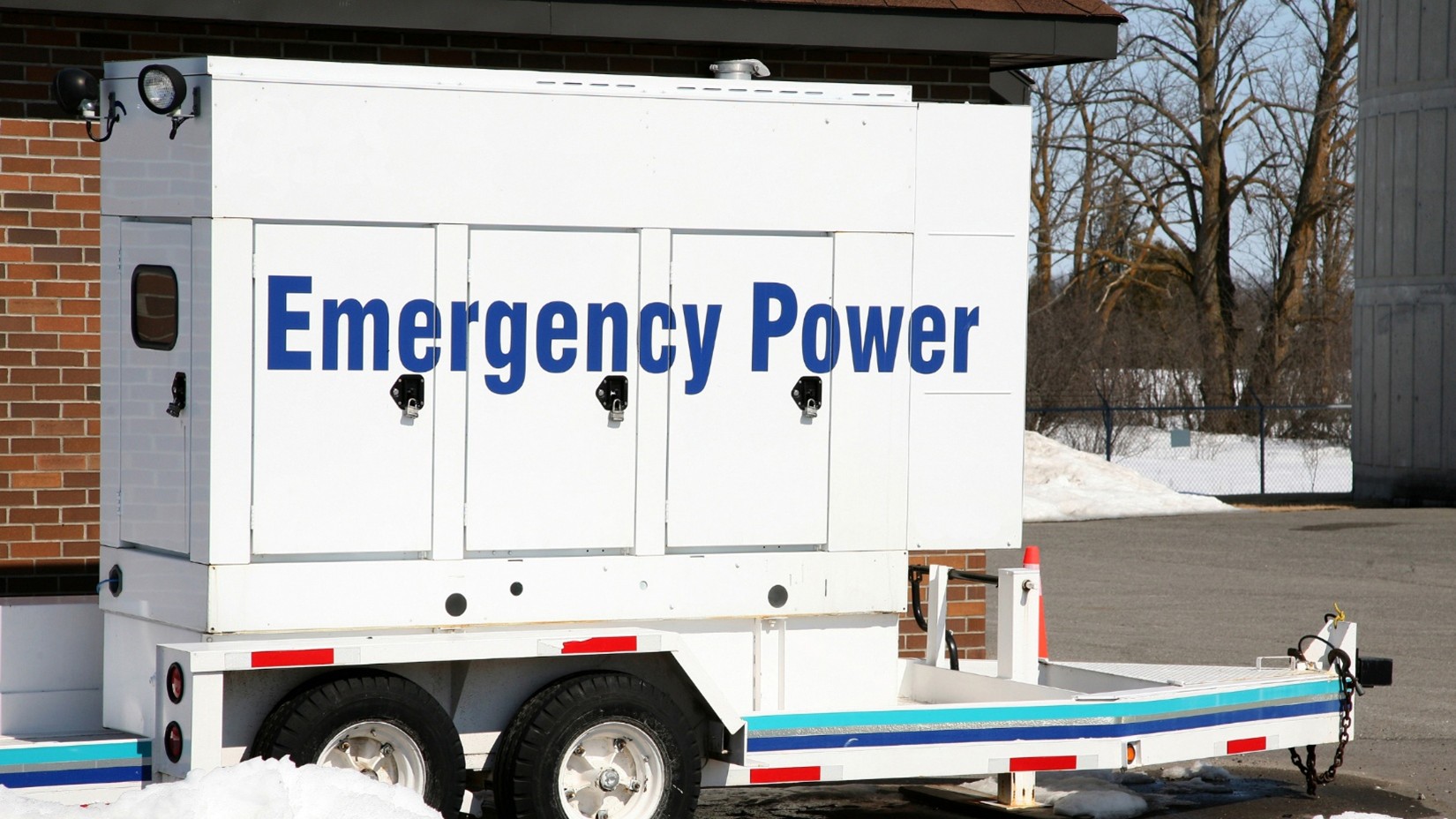
Now let’s talk about trailer-mounted systems. Instead of installing the UPS inside a building, the entire system is housed inside a trailer. The equipment arrives on-site as a complete package and can usually be deployed fairly quickly. This approach offers a level of flexibility that many temporary projects need.
We’ve seen trailer-mounted UPS systems used on construction sites, utility projects, outdoor events, emergency response operations, and temporary facilities. In those situations, speed and mobility are often just as important as power protection.
Why Customers Like Trailer-Mounted UPS Systems
One thing we hear frequently is that customers appreciate how easy these systems are to move. A construction project may need power support in one area today and a different area next month so we can relocate the trailer. Another benefit is weather protection. Since the equipment is housed inside the trailer, it’s already protected from many of the environmental challenges that come with outdoor projects.
For customers searching for a UPS rental in Houston for a temporary job site, trailer-mounted systems often provide the flexibility they need without adding unnecessary complexity.
Which One Is Better?
Neither option is automatically better. They’re designed for different situations. A standalone UPS is usually the better fit when the project is happening inside a facility and the equipment will remain in one location. A trailer-mounted UPS often makes more sense when the project is temporary, outdoors, or likely to move over time.
When customers ask us which option they should choose, we usually don’t start by talking about equipment specifications. Instead, we ask questions.
- Where is the project located?
- How long will the equipment be needed?
- Will the power requirements change?
- Does the system need to be mobile?
The answers to those questions usually point us in the right direction pretty quickly.
What About Generators?
This is another area where customers sometimes get confused. A UPS and a generator are not the same thing. A UPS provides immediate power. A generator provides long-term power. In many projects, they work together.
When utility power fails, the UPS immediately carries the load. While that’s happening, the generator starts up and takes over once it’s ready. The result is a seamless transition that helps prevent interruptions. That’s why many companies looking for an uninterrupted power supply rental in Houston also include generators as part of their temporary power strategy.
Do You Need an Automatic Transfer Switch?
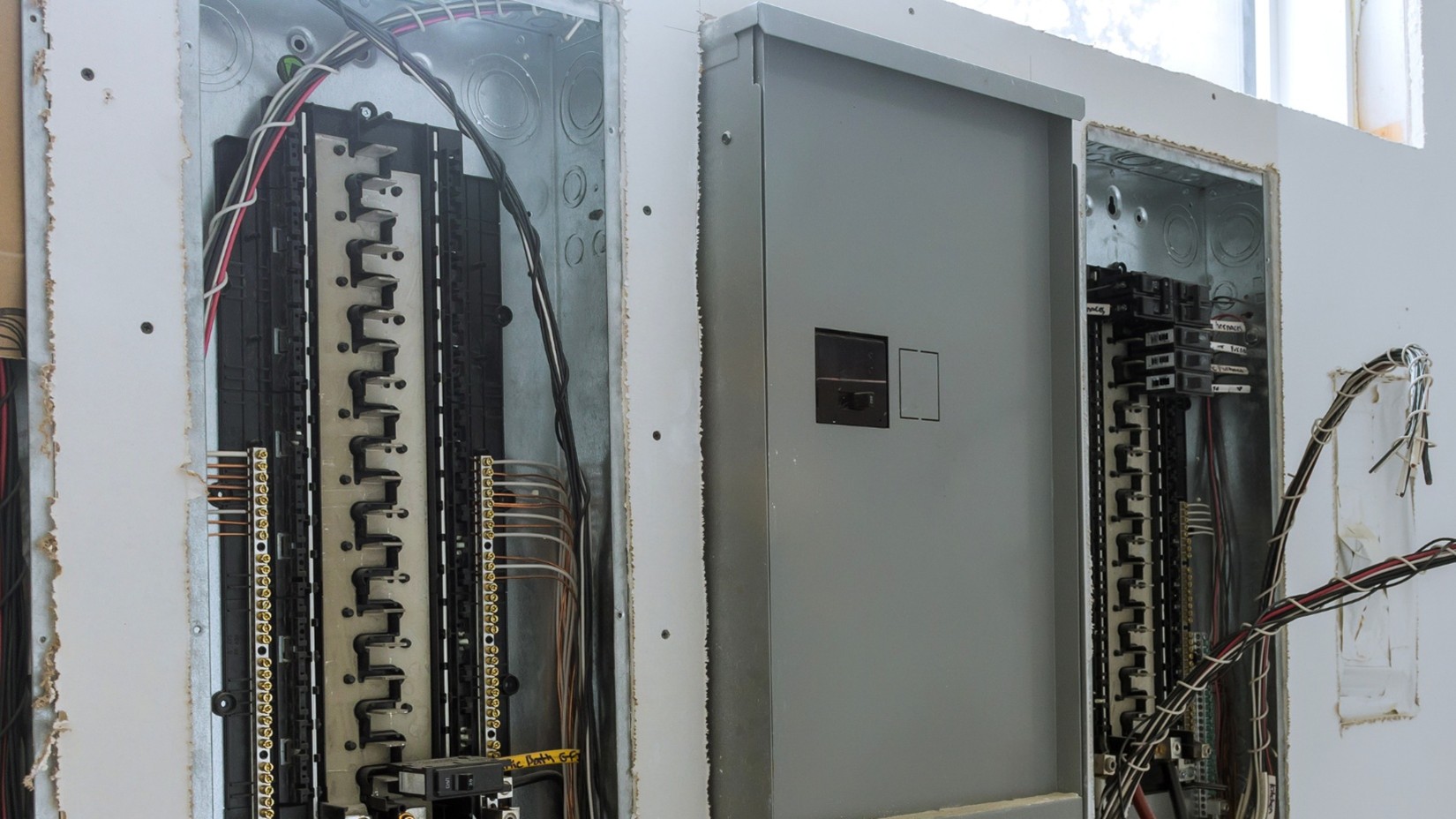
In many cases, yes. An automatic transfer switch rental in Houston helps manage the transition between utility power and generator power. Without one, someone may have to manually switch power sources. That’s not always practical, especially when dealing with critical operations. An ATS handles the transfer automatically and helps reduce downtime.
We’ve seen many customers combine their UPS rental with ATS equipment rentals in Houston to create a more complete backup power solution. It’s not always required, but it’s often worth considering.
Finding the Right Solution for Your Project
Every project is a little different. A hospital performing electrical upgrades has very different needs than a contractor working on a new construction site. A data center has different priorities than a special event venue. That’s why we don’t believe in offering the same recommendation to everyone. Sometimes a standalone UPS is the obvious choice. Sometimes a trailer-mounted system makes more sense. And occasionally there are situations where either option could work depending on the project goals. The key is understanding the environment, timeline, and power requirements before making a decision.
Final Thoughts
At the end of the day, both standalone and trailer-mounted UPS rentals are designed to accomplish the same thing: keeping critical equipment powered when it matters most. The difference is how they’re deployed and where they’re used. If your project is taking place inside a facility and requires dependable protection for equipment that isn’t moving, a standalone UPS is often the simplest solution. If flexibility, mobility, and rapid deployment are priorities, a trailer-mounted UPS may be the better fit.
If you’re considering a UPS system rental in Houston and aren’t sure which direction to go, we’re always happy to talk through the details. In fact, many customers who contact us for a UPS system rental in Houston simply want help understanding which option makes the most sense for their facility, project timeline, and budget. A quick conversation can usually point you in the right direction and help avoid costly mistakes.
Need Help with Temporary Power?
Whether you’re planning a facility upgrade, managing a construction project, or preparing for a critical maintenance shutdown, our team can help you find the right backup power solution. Contact us today to discuss your project and learn more about temporary UPS systems, generators, and transfer switch options designed to keep your operation running smoothly.
Reach out to us online at Air Power Consultants or if you need a UPS power rental. You can also call us at (913) 894-0044.
We help data centers. We help hospitals. We help businesses stay powered and protected. We listen. We engineer. We deliver backup power solutions that keep you running, no matter what.

We’re here to help you be resilient, decrease downtime, and keep ahead of outages. For updates, analysis, and practical power plans, follow us on LinkedIn.