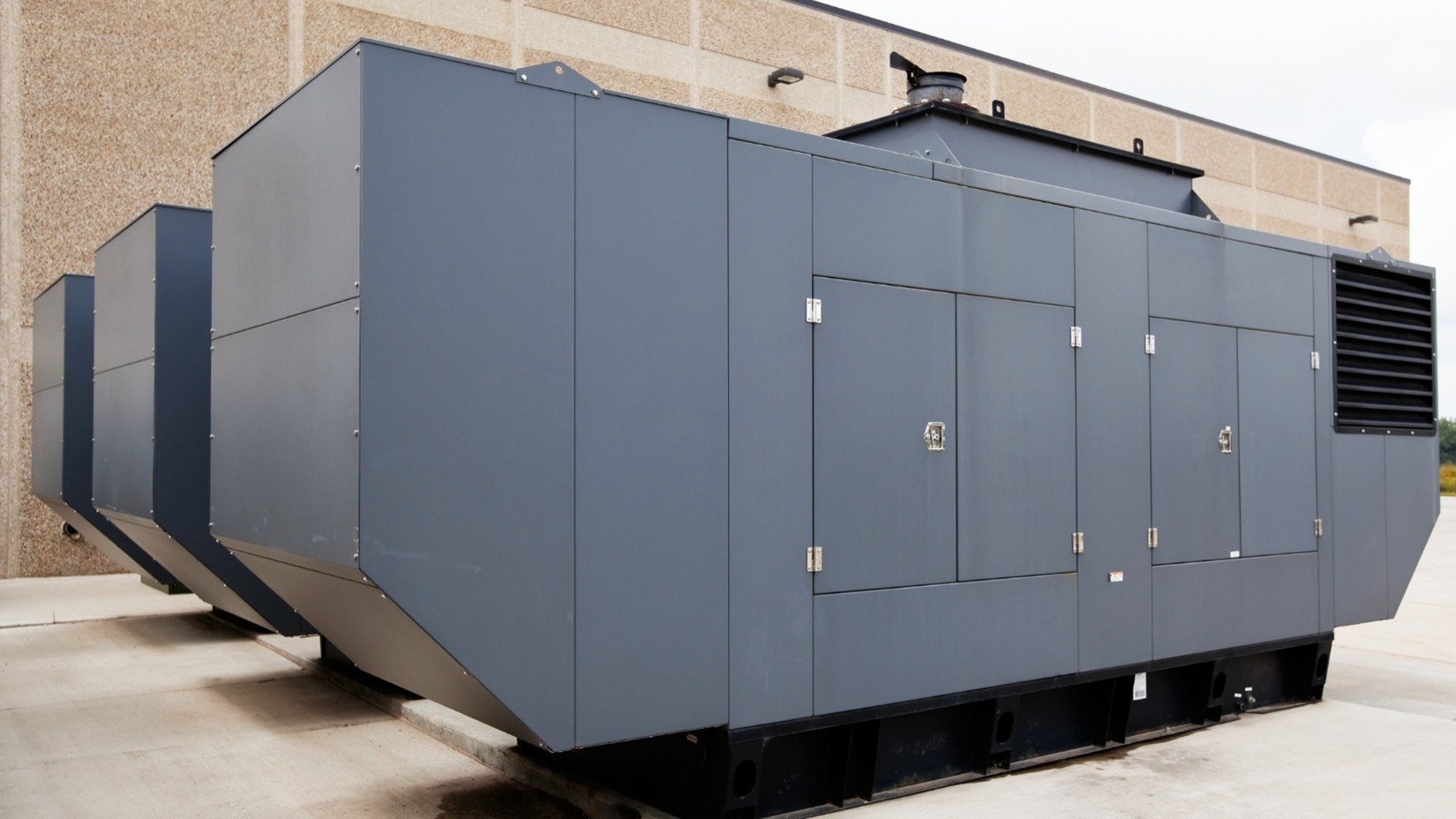
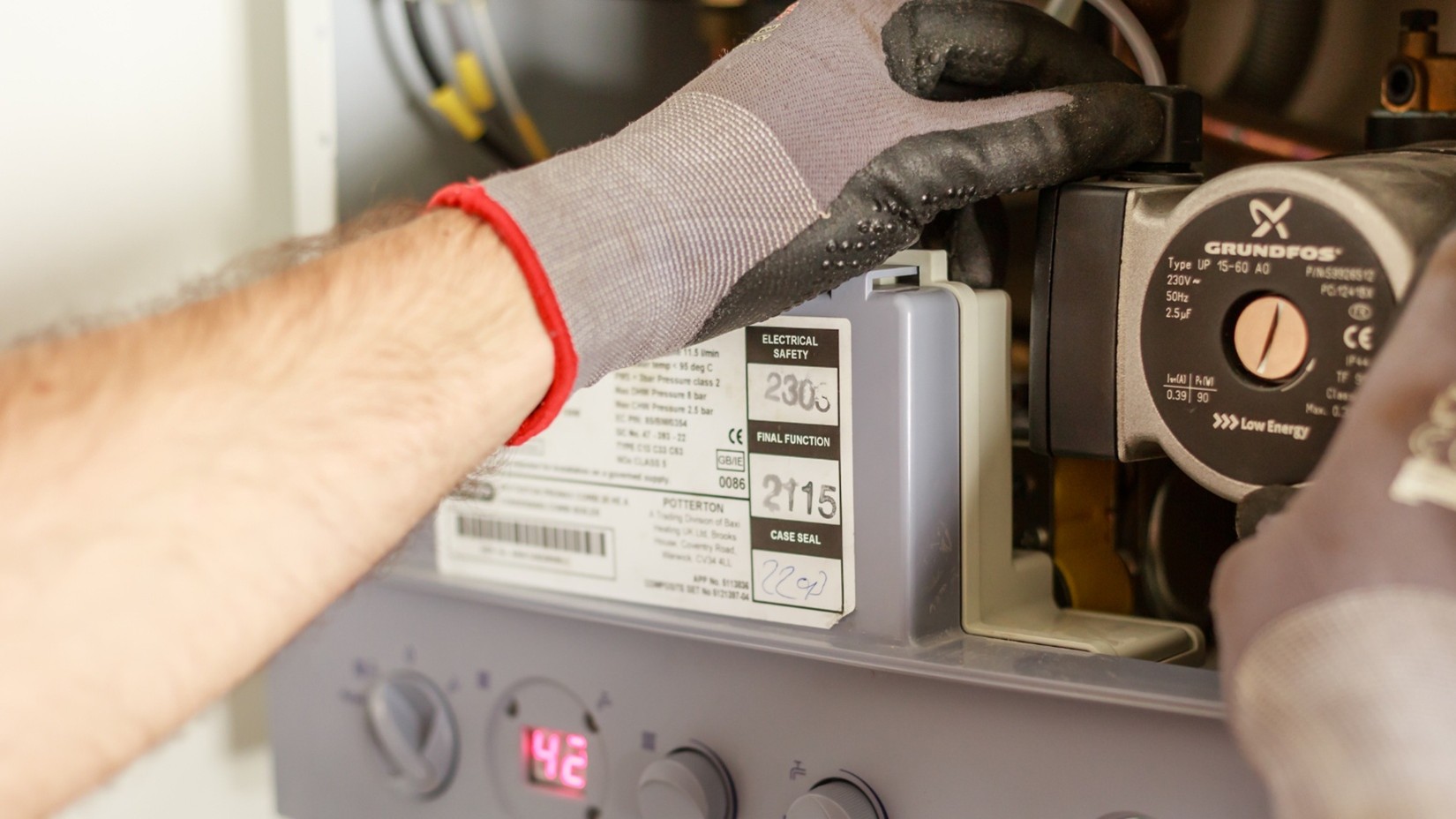
Portable ATS rental in San Jose is often searched after a failure has already happened. Something trips. Systems drop. Operations stall. Then the investigation starts.
But most power failures don’t come out of nowhere. They build over time, usually from a mix of overlooked issues that stack up until something gives. You need an UPS trailer mounted rental in San Jose just in case!
Understanding what causes these failures is what helps facilities prevent them.
- The most common cause: overloaded systems
- Equipment aging out
- Poor maintenance habits
- Utility power issues
- Human error during operations
- Cooling failures and heat buildup
- Battery failures in UPS systems
- Switching failures during transitions
- Lack of redundancy planning
- Why portable ATS rental in San Jose shows up in failure planning
- Preventing failures starts with visibility
- FAQs
The most common cause: overloaded systems
As facilities grow, power demand increases. New equipment gets added. Data loads expand. Production lines run longer hours. The problem is that electrical infrastructure doesn’t always scale at the same pace.
Circuits that once handled normal loads start operating closer to their limits. Over time, that strain leads to overheating, breaker trips, or full system shutdowns.
Facilities that track load growth closely tend to catch this early. Others only notice when something fails.
Equipment aging out
Electrical systems don’t last forever. Switchgear, UPS systems, and distribution panels all have a lifespan. As they age, reliability drops. Components wear down. Connections loosen. Efficiency declines.
That’s where UPS system rental in San Jose often becomes part of the plan during replacements or upgrades. Instead of risking failure during a transition, facilities bring in temporary systems to keep everything stable.
Poor maintenance habits
Maintenance gaps are one of the quieter causes of failure. Dust buildup, loose connections, and degraded components don’t always show obvious warning signs. Over time, small issues turn into larger ones.
Facilities that stick to regular inspection schedules tend to avoid sudden failures. Those that delay maintenance often deal with unexpected downtime.
Utility power issues
Not all failures start inside the facility. External power supply can be unpredictable. Storms, grid instability, or upstream equipment failures can cause voltage drops or full outages.
That’s why backup systems are in place. But even those systems rely on proper switching and timing. This is where automatic transfer switch rental in San Jose becomes part of the solution. Transfer switches help move loads between power sources quickly enough to prevent disruption.
Human error during operations
Even well-trained teams can make mistakes under pressure. Incorrect switching procedures, misconfigured systems, or delayed responses during an issue can escalate a situation.
Many failures aren’t caused by equipment alone. They’re caused by how systems are handled during critical moments. Facilities that run regular training and simulations tend to reduce this risk.
Cooling failures and heat buildup
Electrical systems generate heat. That’s expected. What causes problems is when that heat isn’t managed properly.
Cooling systems can fail. Airflow can be blocked. Equipment rooms can run hotter than intended. Heat accelerates wear on electrical components and increases the likelihood of failure. In data centers especially, temperature control plays a direct role in system reliability.
Battery failures in UPS systems
UPS systems are often seen as the safety net. But they rely heavily on battery performance.
Batteries degrade over time. If they aren’t tested or replaced on schedule, they may not hold the load when needed.
This is one reason facilities look into UPS rental in San Jose during maintenance cycles. Temporary systems can carry the load while internal UPS batteries are serviced or replaced.
Switching failures during transitions
Power transitions are sensitive moments. Switching between utility, generator, and UPS systems has to happen correctly. If timing is off or equipment isn’t functioning properly, loads can drop.
That’s why ATS equipment rentals in San Jose are often used during planned transitions. They provide controlled switching that reduces the risk of interruption.
Lack of redundancy planning
Some facilities rely on single-path power distribution. That means if one component fails, everything connected to it goes down.
Redundancy adds layers of protection, but it has to be designed properly. Facilities without enough redundancy tend to experience more severe outages when failures occur.
Why portable ATS rental in San Jose shows up in failure planning
Switching is where many failures either get contained or get worse. Portable systems allow facilities to adjust quickly, reroute loads, and stabilize operations during unexpected issues.
That’s why portable ATS rental in San Jose becomes part of both prevention and response strategies. It gives teams more control when conditions aren’t predictable.
Preventing failures starts with visibility
Most failures aren’t sudden. They’re the result of things that weren’t tracked closely enough.
Facilities that invest in:
- Load monitoring
- Preventive maintenance
- System testing
- Backup planning
tend to catch problems earlier. And catching problems early is what keeps systems running.
FAQs
What is the most common cause of power failure in facilities?
Overloaded systems are one of the most common causes. As demand increases, infrastructure can become strained if it isn’t upgraded alongside growth.
Can UPS systems fail during an outage?
Yes. If batteries aren’t maintained or systems are overloaded, a UPS may not perform as expected during a power event.
How can facilities reduce the risk of power failure?
Regular maintenance, load monitoring, proper redundancy, and having temporary systems available all help reduce risk.
We help data centers. We help hospitals. We help businesses stay powered and protected.
We listen. We engineer. We deliver backup power solutions that keep you running—no matter what.
Want to talk critical infrastructure? Fill out a form here or call us at (913) 894-0044.
We’re here to help you be resilient, decrease downtime, and keep ahead of outages.
For updates, analysis, and practical power plans, follow Air Power Consultants on LinkedIn.