Automatic transfer switch rental in Denver usually comes up after a mistake has already caused a shutdown. Something didn’t go as planned. Power dropped. Operations stopped. Then the review begins.
Most downtime during electrical upgrades isn’t caused by one big failure. It’s a series of small missteps that stack up.
- Skipping detailed load planning
- Waiting too long to bring in temporary power
- Overlooking switching complexity
- Not testing before going live
- Ignoring space and access limitations
- Underestimating project timelines
- Relying too heavily on a single backup layer
- Poor communication during execution
- Not planning for worst-case scenarios
- Why Automatic Transfer Switch Rental in Denver is part of avoiding mistakes
- Avoiding downtime comes down to preparation
- FAQs
Skipping detailed load planning
One of the most common mistakes is underestimating load requirements. Facilities often assume their current system capacity is enough to carry through an upgrade. But once systems are rerouted or partially offline, the load distribution changes.
That shift can overload circuits or leave certain areas underpowered. This is where UPS system rental in Denver becomes part of the plan. Temporary systems help stabilize load while permanent infrastructure is being modified.
Waiting too long to bring in temporary power
Timing matters more than most teams expect. Some facilities wait until the upgrade is already underway before arranging backup systems.
That creates gaps where systems are exposed. Planning ahead with UPS rental in Denver allows teams to stage equipment before any disruption happens. It’s the difference between controlled transition and reactive recovery.
Overlooking switching complexity
Power isn’t just about supply. It’s about how it moves between systems. Switching errors are one of the fastest ways to cause downtime during an upgrade.
If transitions aren’t timed correctly or equipment isn’t configured properly, loads can drop instantly. That’s why ATS equipment rentals in Denver are often used during these projects. They provide controlled switching between power sources.
Not testing before going live
Some teams assume everything will work once it’s connected. Skipping testing is a major risk. Load testing and transition simulations reveal issues that aren’t obvious during setup.
Without testing, the first real test happens during live operation. That’s where failures become costly. Facilities that test first usually avoid downtime altogether.
Ignoring space and access limitations
Equipment placement isn’t always straightforward.
Temporary systems need:
- Physical space
- Proper ventilation
- Safe cable routing
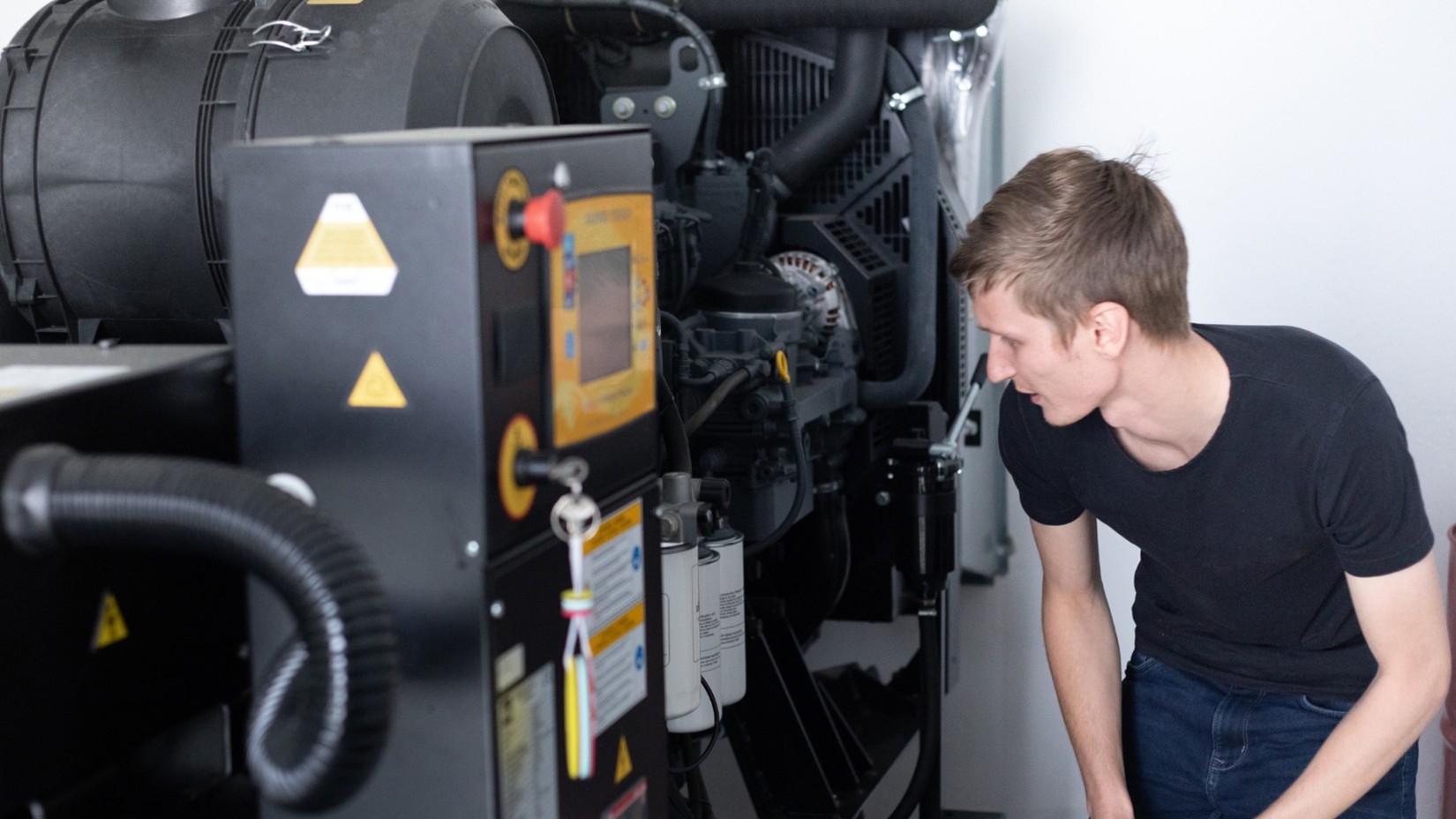
Facilities sometimes choose equipment that doesn’t fit the environment. That leads to delays, last-minute changes, or compromised setups. Using solutions like portable ATS rental in Denver can help in tighter or more flexible environments.
Underestimating project timelines
Upgrades rarely finish exactly on schedule. Delays happen. Equipment arrives late. Unexpected issues come up.
If temporary systems are only planned for the original timeline, facilities can run out of support before the project is complete.
That creates a risky gap. Planning for flexibility helps keep operations stable even when timelines shift.
Relying too heavily on a single backup layer
Some facilities assume one backup system is enough. But upgrades often involve multiple moving parts. If one system fails or needs adjustment, there needs to be another layer ready.
This is where UPS power rental in Denver adds another level of protection during transitions. Layered systems reduce the chance of a complete shutdown.
Poor communication during execution
Even with the right equipment, communication issues can cause downtime.
Teams need to know:
- When transitions are happening
- Who is responsible for each step
- What the backup plan is if something goes wrong
Without clear communication, delays and mistakes happen quickly. Facilities that assign clear roles and timelines tend to avoid these issues.
Not planning for worst-case scenarios
Many upgrade plans focus on the ideal outcome. But things don’t always go as expected. Equipment can fail. Loads can shift. External factors can interfere.
Facilities that plan for worst-case scenarios handle disruptions better. They already have contingency steps in place.
Why Automatic Transfer Switch Rental in Denver is part of avoiding mistakes
Switching is one of the most sensitive parts of any upgrade. Without reliable transfer capability, even a well-planned project can fail during a transition.
That’s why automatic transfer switch rental in Denver is often included early in planning. It helps prevent the kind of mistakes that lead to downtime.
Avoiding downtime comes down to preparation
Most upgrade-related downtime is preventable.
Facilities that:
- Plan early
- Use temporary systems
- Test before going live
- Build flexibility into timelines
tend to complete upgrades without major disruption. The mistakes usually come from rushing, assuming, or skipping steps.
FAQs
What is the biggest mistake during electrical upgrades?
Skipping proper planning and testing is one of the most common issues. It leads to unexpected failures during live transitions.
Do all upgrades require temporary power systems?
Not always, but most facilities use them to reduce risk and maintain operations during transitions.
How can switching errors be avoided?
Using proper transfer equipment and testing transitions before going live helps prevent switching-related downtime.
We help data centers. We help hospitals. We help businesses stay powered and protected.
We listen. We engineer. We deliver backup power solutions that keep you running—no matter what.

Want to talk critical infrastructure? Fill out a form here or call us at (913) 894-0044.
We’re here to help you be resilient, decrease downtime, and keep ahead of outages.
For updates, analysis, and practical power plans, follow Air Power Consultants on LinkedIn.