This question usually comes up after the equipment list looks complete. Generator. Transfer switch. Cabling. Everything seems covered. Then someone asks what actually powers the switch when utility power drops. That’s where confusion sets in.
In Houston, this matters more than people expect. Power events don’t always arrive cleanly. Voltage can sag before it disappears. Frequency can drift. And during those moments, control systems still need power to make decisions. That’s where UPS system rental in Houston often becomes part of the conversation, even when the focus is on the transfer switch itself.
- What the ATS needs power for
- Why battery backup exists in the first place
- How a UPS changes the picture
- When ATS battery backup isn’t enough
- Portable setups introduce more uncertainty
- Trailer-mounted systems reduce dependence on ATS batteries
- How rental ATS equipment handles control power
- When battery issues show up
- Planning the system as a whole
- Battery backup is small, but critical
- FAQ UPS System Rental in Houston
What the ATS needs power for
An automatic transfer switch rental in Houston isn’t just a mechanical device. It has logic. Sensors. Controls. It has to detect a problem, signal the generator, and decide when it’s safe to move the load.
All of that requires power.
When utility power drops suddenly, the ATS still needs enough energy to operate its controls during that gap. In many systems, that’s handled by an internal battery or a small control power source.
Without it, the switch can’t think clearly when it matters most.
Why battery backup exists in the first place
Battery backup inside an ATS isn’t there to carry load. It’s there to keep the brain alive.
It allows the ATS to sense loss of power. It allows it to communicate with the generator. It allows it to complete the transfer sequence even when everything else is going dark.
This is one of those details that doesn’t get attention until it fails. And when it fails, the generator may start, but the load never transfers.
That’s when people realize the system wasn’t as complete as it looked.
How a UPS changes the picture
A UPS operates at a different scale. It doesn’t just support control logic. It supports the load itself.
With UPS system rental in Houston, critical equipment stays powered during the entire transition. The ATS does its job. The generator stabilizes. And from the load’s perspective, nothing dramatic happens.
This doesn’t replace the need for ATS control power. It complements it. The two systems handle different risks.
When ATS battery backup isn’t enough
ATS battery backup is short-term by design. It’s meant to bridge seconds, not minutes.
If the generator doesn’t start.
If fuel delivery is delayed.
If startup takes longer than expected.
The ATS battery doesn’t solve those problems. It only keeps the decision making alive.
That’s where broader backup strategies come in. This is often when teams look at uninterrupted power supply rental in Houston to protect equipment beyond the transfer moment itself.
Portable setups introduce more uncertainty
Portable generators and temporary power setups add complexity. Startup behavior varies. Output stabilizes differently each time. Environmental conditions play a bigger role.
In these environments, the ATS battery becomes even more important because timing is less predictable.
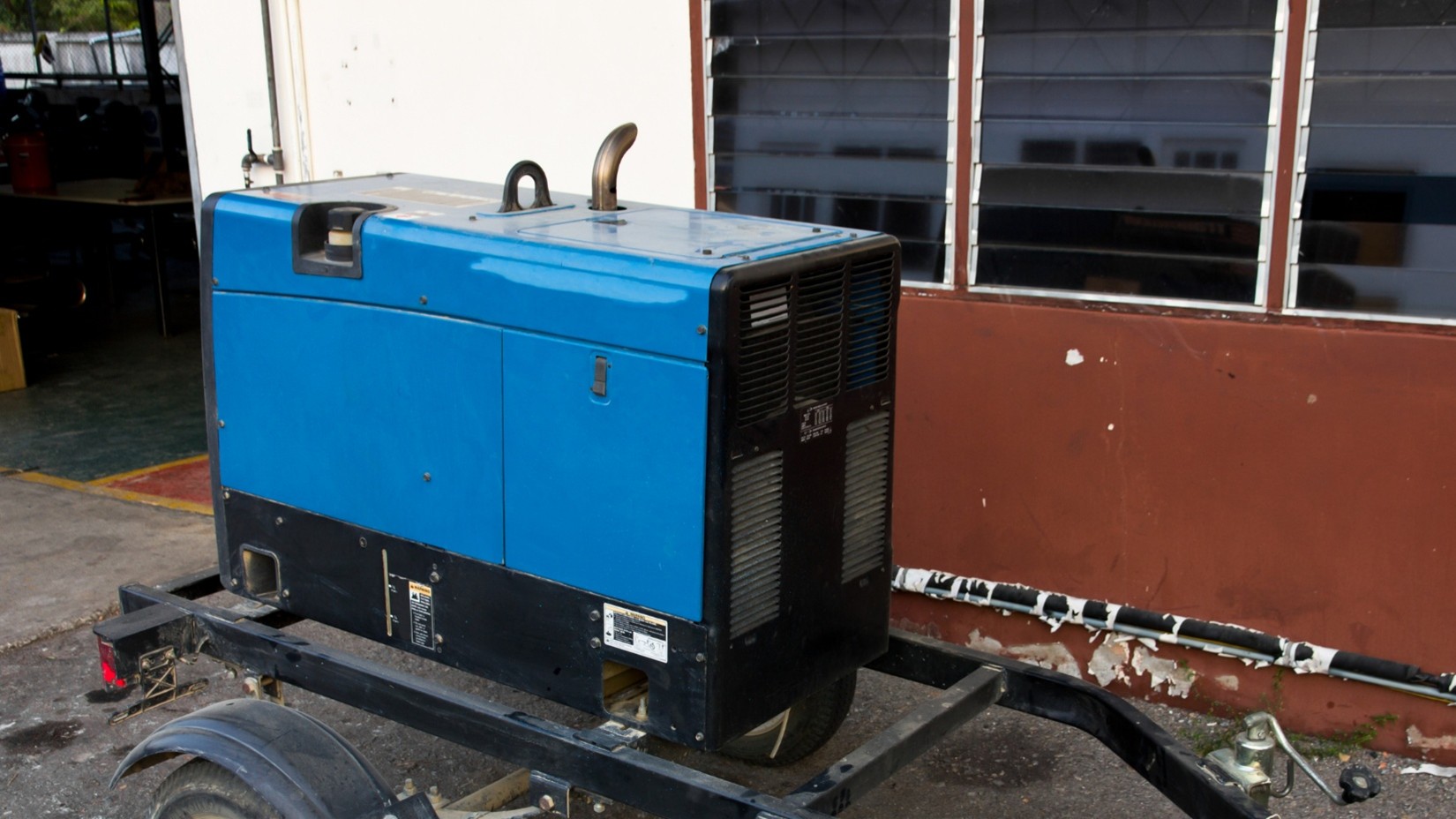
That’s why portable ATS rental in Houston systems are designed with flexible control power options. They assume the generator won’t behave perfectly every time.
Trailer-mounted systems reduce dependence on ATS batteries
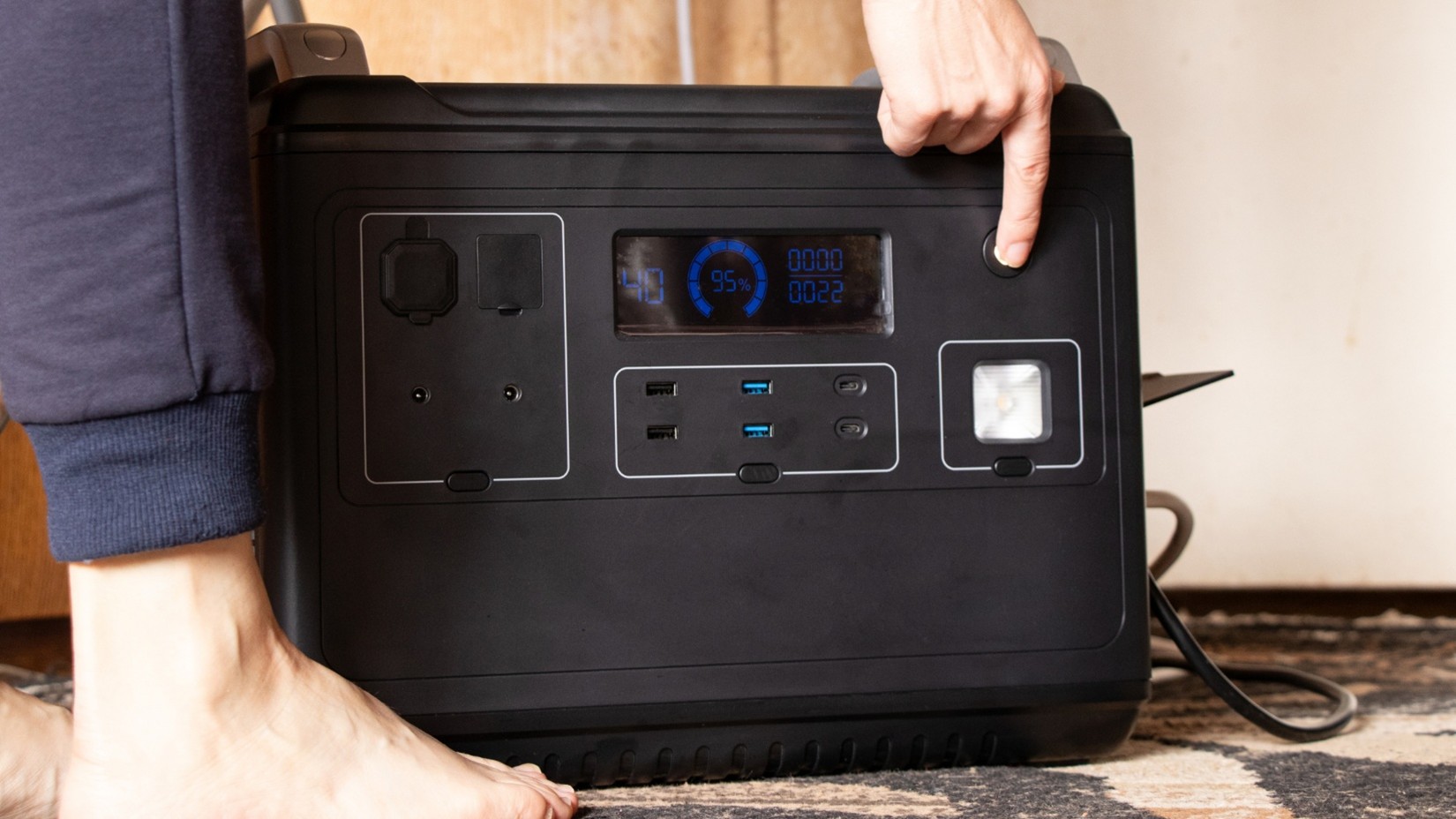
Trailer-mounted UPS systems change how much pressure is placed on the ATS battery.
With UPS trailer mounted rental in Houston, the UPS carries the load and absorbs instability during startup. That gives the ATS more breathing room. The battery still matters, but it’s no longer the only thing standing between order and chaos.
This setup is common on sites where continuity matters more than speed.
How rental ATS equipment handles control power
Rental ATS units are typically maintained and tested regularly. Battery condition is checked as part of that process.
That’s one reason teams rely on ATS equipment rentals in Houston instead of aging installed equipment during critical periods. Control batteries degrade quietly. Rentals reduce that risk.
It doesn’t eliminate responsibility. It just reduces surprises.
When battery issues show up
Control battery problems don’t usually announce themselves.
The ATS looks fine. The generator starts during tests. Everything seems normal. Then during a real outage, the switch hesitates or fails to transfer.
That’s often the battery. Either it wasn’t charged. Or it wasn’t tested under real conditions.
This is why testing and planning matter just as much as equipment choice.
Planning the system as a whole
The real question isn’t whether an ATS requires a battery backup. It’s whether the system depends on that battery alone.
A well-planned setup layers protection. ATS control power. Generator readiness. UPS coverage where needed.
That’s where UPS system rental in Houston fits. It takes pressure off every other component by handling the most sensitive part of the transition.
Battery backup is small, but critical
It’s easy to overlook something that doesn’t carry load. But the ATS battery is what allows everything else to happen in the right order.
Without it, automation becomes wishful thinking.
With it, the system has a fighting chance to behave the way it’s supposed to.
FAQ UPS System Rental in Houston
Do all ATS units have a battery backup?
Most modern units do, but it should always be verified.
Can a UPS replace the ATS battery?
No. They serve different purposes.
How long does an ATS battery last?
It depends on design and maintenance, but it’s short-term by nature.
Is battery testing included with rentals?
Usually yes, but operational testing is still important.
Should battery backup be the only protection?
No. It’s one layer in a broader strategy.
Reach out to us online at Air Power Consultants or if you need a UPS Power rental? Call us at (913) 894-0044.
We help data centers. We help hospitals. We help businesses stay powered and protected.
We listen. We engineer. We deliver backup power solutions that keep you running, no matter what.

We’re here to help you be resilient, decrease downtime, and keep ahead of outages. For updates, analysis, and practical power plans, follow on LinkedIn.