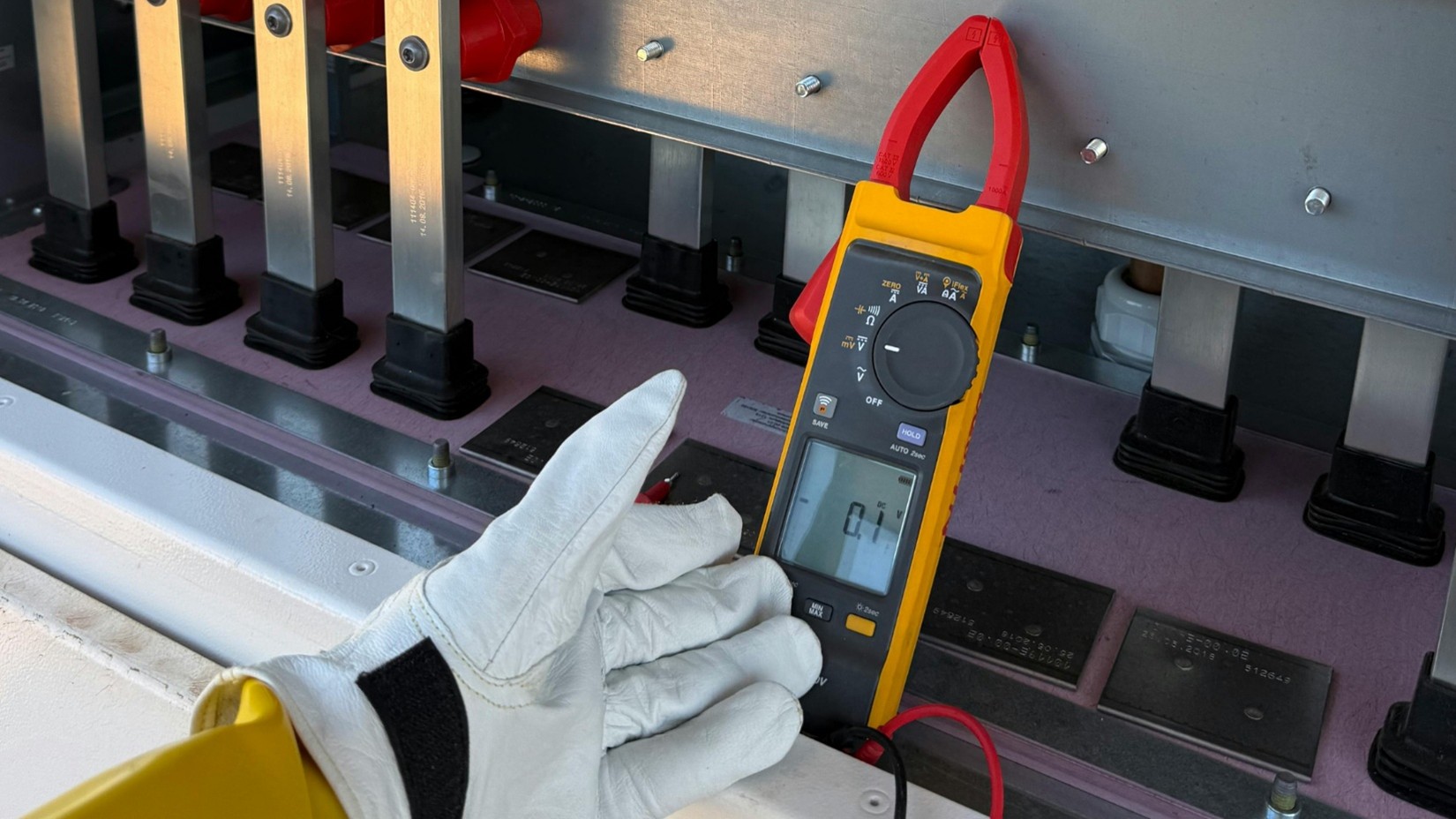
This question usually comes up after the equipment is already in place. The generator is connected. The ATS is wired. Everything looks ready. Then someone asks how often it actually needs to be tested, and the answer depends on more than just best practice.
In Minneapolis, this matters because rental ATS units are often used in environments where reliability isn’t optional. Healthcare. Data environments. Temporary critical operations. That’s why automatic transfer switch rental in Minneapolis is usually paired with a clear testing plan, not assumptions.
- Why testing matters more for rental equipment
- What testing usually looks like in real environments
- How compliance changes the testing schedule
- Generators influence how often testing is needed
- The role of a UPS during testing
- Trailer-mounted systems need the same attention
- What happens when testing is skipped
- Renting doesn’t remove responsibility
- How often is “often enough”?
- Planning testing into the power plan
- FAQ
Why testing matters more for rental equipment
Rental ATS units are designed for flexibility. They move from site to site. They work with different generators. They see different load profiles over time.
That doesn’t make them less reliable. It does mean testing matters more. Each deployment is a new system, even if the equipment itself is familiar.
Testing confirms that voltage sensing is correct. It confirms that the generator reaches stable output. And most importantly, it confirms that the transfer actually happens when it should.
What testing usually looks like in real environments
For most commercial and industrial sites, testing is straightforward. Simulate a utility outage. Let the generator start. Watch the ATS transfer the load. Then restore utility power and confirm the return transfer.
The goal isn’t just to see that it works. It’s to see how it behaves. How long it takes. Whether anything hesitates. Whether alarms show up.
That’s why teams using automatic transfer switch rental in Minneapolis often schedule test windows shortly after setup, not weeks later.
How compliance changes the testing schedule
Some environments have formal requirements. Hospitals, for example, often follow NFPA 110 or Joint Commission guidelines. These can require monthly testing under load.
Not every site falls under those rules, but many people borrow the same cadence because it works. Regular testing catches small issues before they become real failures.
This is especially important when using ATS equipment rentals in Minneapolis for extended projects where conditions may change over time.
Generators influence how often testing is needed
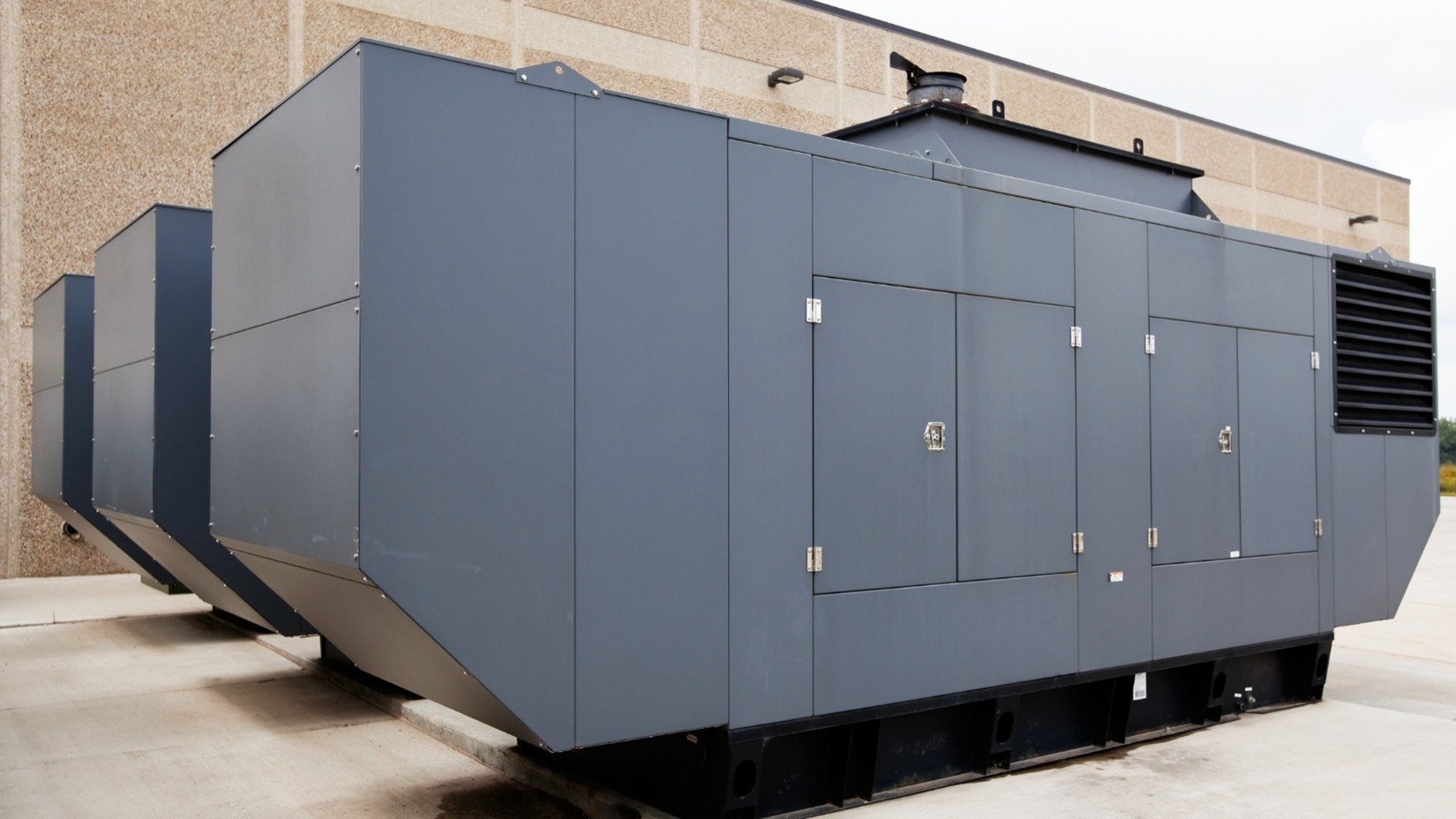
The generator is a big part of the equation. New generators tend to be predictable. Older or portable units can behave differently from one test to the next.
Fuel quality. Startup time. Frequency stability. These all affect how the ATS responds.
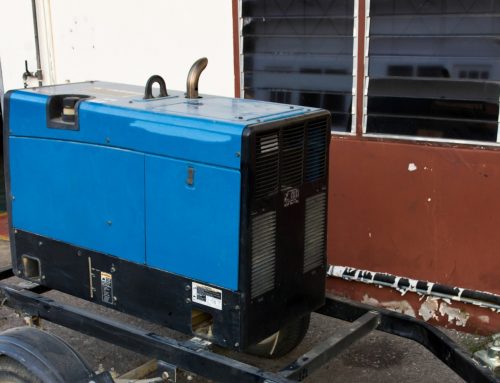
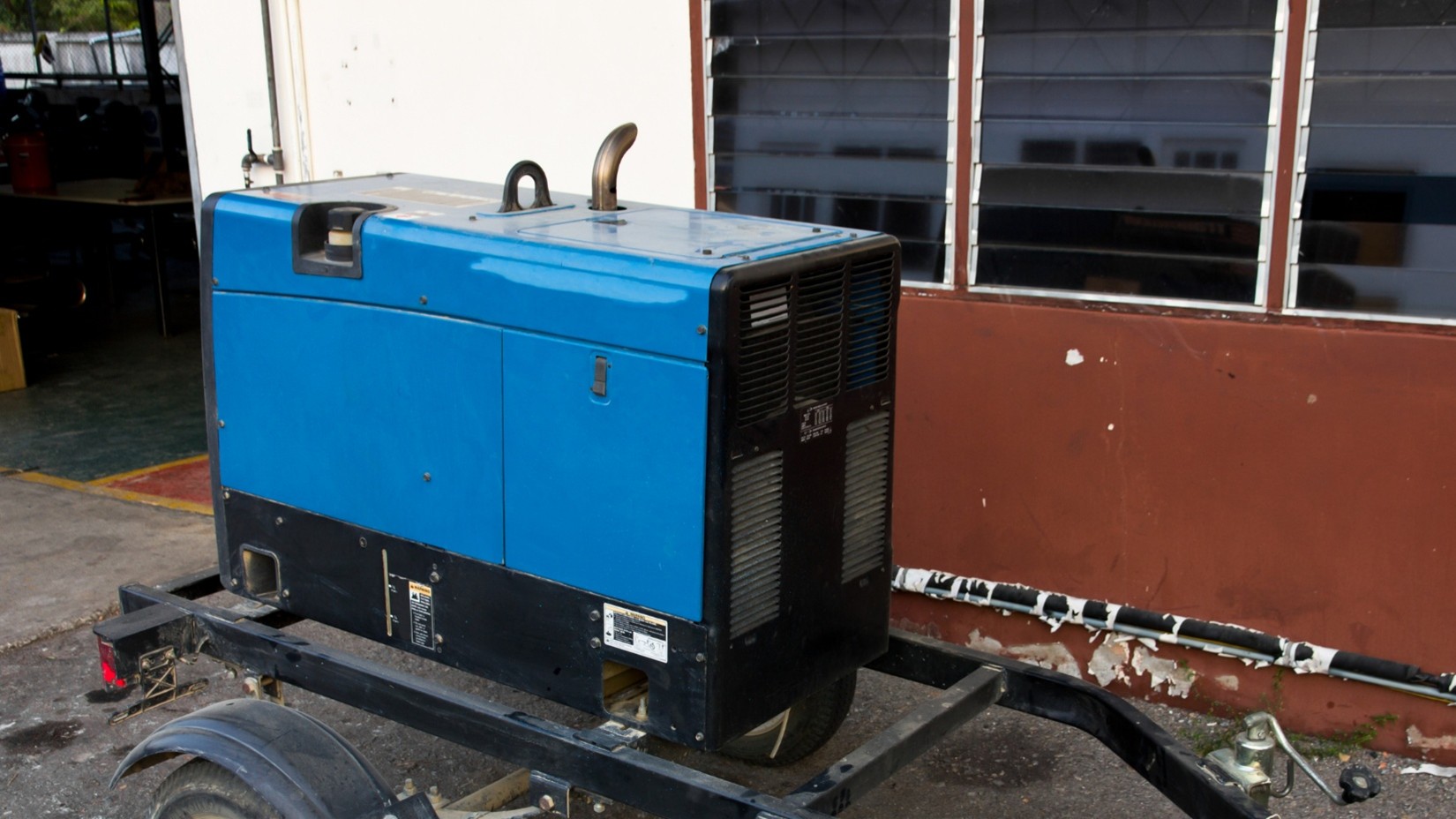
When portable generators are involved, testing often happens more frequently, especially early on. That’s where portable ATS rental in Minneapolis helps. The equipment is designed to handle variability, but testing confirms everything is aligned.
The role of a UPS during testing
UPS systems don’t remove the need for ATS testing. They just change what failure looks like.
A UPS can hide transfer delays by carrying the load during startup. That’s good for operations, but it can also mask issues if no one is watching closely.
That’s why testing with UPS system rental in Minneapolis often includes monitoring beyond “did the lights stay on.” Teams watch transfer timing, alarms, and system behavior during the event.
Trailer-mounted systems need the same attention
Trailer-mounted systems are often used when infrastructure access is limited. They’re mobile. They get repositioned. Cable runs change.
All of that affects transfer behavior. Testing confirms that those changes didn’t introduce new problems.
When using UPS trailer mounted rental in Minneapolis, testing is often repeated after moves or configuration changes, not just on a fixed schedule.
What happens when testing is skipped
Most transfer switch failures aren’t dramatic. They’re quiet.
A generator starts but never connects. A sensing threshold drifts. A control wire loosens. None of these show up until the system is tested or until there’s an actual outage.
Skipping tests means discovering problems at the worst possible moment. That’s why testing is treated as part of operation, not an optional task.
Renting doesn’t remove responsibility
There’s a misconception that rental equipment is someone else’s responsibility. In practice, operation still matters.
Rental providers supply the equipment. The site still needs to verify that it works as deployed. That shared responsibility is why testing plans are discussed early in automatic transfer switch rental in Minneapolis projects.
How often is “often enough”?
For most sites, initial uninterrupted power supply rental in Minneapolis testing at setup is mandatory. After that, the schedule depends on risk.
High-risk environments test monthly. Lower-risk sites may test quarterly or after major changes. Temporary projects often test whenever the configuration changes.
There’s no single answer. There is a right answer for each site.
Planning testing into the power plan
Testing is easiest when it’s planned from the start. Schedules are set. Stakeholders are informed. Downtime is controlled.
When testing is an afterthought, it becomes disruptive. That’s when it gets skipped.
Treating testing as part of the system keeps everything predictable.
FAQ
Is testing required for all rental ATS units?
It’s strongly recommended, even when not mandated.
How often do hospitals test transfer switches?
Usually monthly under load.
Can testing damage equipment?
No, when done correctly.
Does a UPS eliminate the need for testing?
No. It can hide problems if you’re not watching closely.
Who should oversee ATS testing?
A qualified electrical or power professional.
Reach out to us online at Air Power Consultants or if you need a UPS Power rental? Call us at (913) 894-0044.
We help data centers. We help hospitals. We help businesses stay powered and protected.
We listen. We engineer. We deliver backup power solutions that keep you running, no matter what.

We’re here to help you be resilient, decrease downtime, and keep ahead of outages. For updates, analysis, and practical power plans, follow on LinkedIn.