This question usually comes up after a power event that didn’t go the way it was supposed to. The generator started. The lights came back. But there was a pause that felt longer than expected. In Jacksonville, where storms and utility interruptions aren’t rare, that pause is what people remember.
It’s also why automatic transfer switch rental in Jacksonville gets discussed early in power planning conversations. Speed matters, but not always in the way people think.
- What “fast” actually means in a real system
- Why generators affect transfer speed more than ATS
- How UPS systems change what “fast” feels like
- Milliseconds vs seconds and why it matters
- Why rental ATS units are common in Jacksonville
- Portable systems introduce more variables
- How trailer-mounted systems affect transfer behavior
- When slow transfer is actually a warning sign
- Planning for realistic expectations
- FAQ
What “fast” actually means in a real system
Most automatic transfer switches are designed to move a load within seconds, not instantly. They wait for utility power to drop below a threshold. Then they wait for the generator to start and stabilize. Only after that does the switch transfer the load.
In most UPS system rental in Jacksonville setups, that entire sequence happens in under ten seconds. For many facilities, that’s completely acceptable. For others, it’s long enough to cause problems.
Understanding that difference is key before deciding what level of performance you actually need.
Why generators affect transfer speed more than ATS
A lot of people assume the transfer switch controls how fast everything happens. In reality, the generator plays a bigger role.
Some generators start and stabilize quickly. Others take longer to reach proper voltage and frequency. The ATS won’t transfer until the generator output is safe to accept the load.
When people complain about slow transfer, it’s often the generator behavior they’re seeing, not a sluggish switch.
That’s one reason automatic transfer switch rental in Jacksonville makes sense for temporary setups. You can match the switch behavior to the generator you’re actually using, not the one you wish you had.
How UPS systems change what “fast” feels like
A UPS changes the experience of a transfer, even if it doesn’t change the actual timing.
With a properly sized UPS, systems don’t notice the gap between utility loss and generator pickup. The UPS carries the load while the generator starts. When the ATS transfers, everything stays calm.
That’s why transfer speed discussions often include uninterrupted power supply rental in Jacksonville. The goal isn’t to make the switch faster. It’s to make the transition invisible.
Milliseconds vs seconds and why it matters
Some high-spec systems can transfer in milliseconds. These are usually closed-transition or specialized setups designed for extremely sensitive loads.
Most sites don’t need that level of performance. They just need predictable behavior. Chasing millisecond transfer times when your loads can tolerate a few seconds often adds complexity without real benefit.
This is where planning beats assumptions. Knowing what your equipment actually needs keeps the system simple and reliable.
Why rental ATS units are common in Jacksonville
Jacksonville projects often involve temporary power. Storm recovery. Infrastructure upgrades. Phased construction. These environments change quickly.
Permanent installations don’t adapt easily. Rentals do.
With automatic transfer switch rental in Jacksonville, the transfer behavior can be adjusted as the project evolves. If the generator changes, the switch can change with it.
That flexibility matters when conditions are unpredictable.
Portable systems introduce more variables
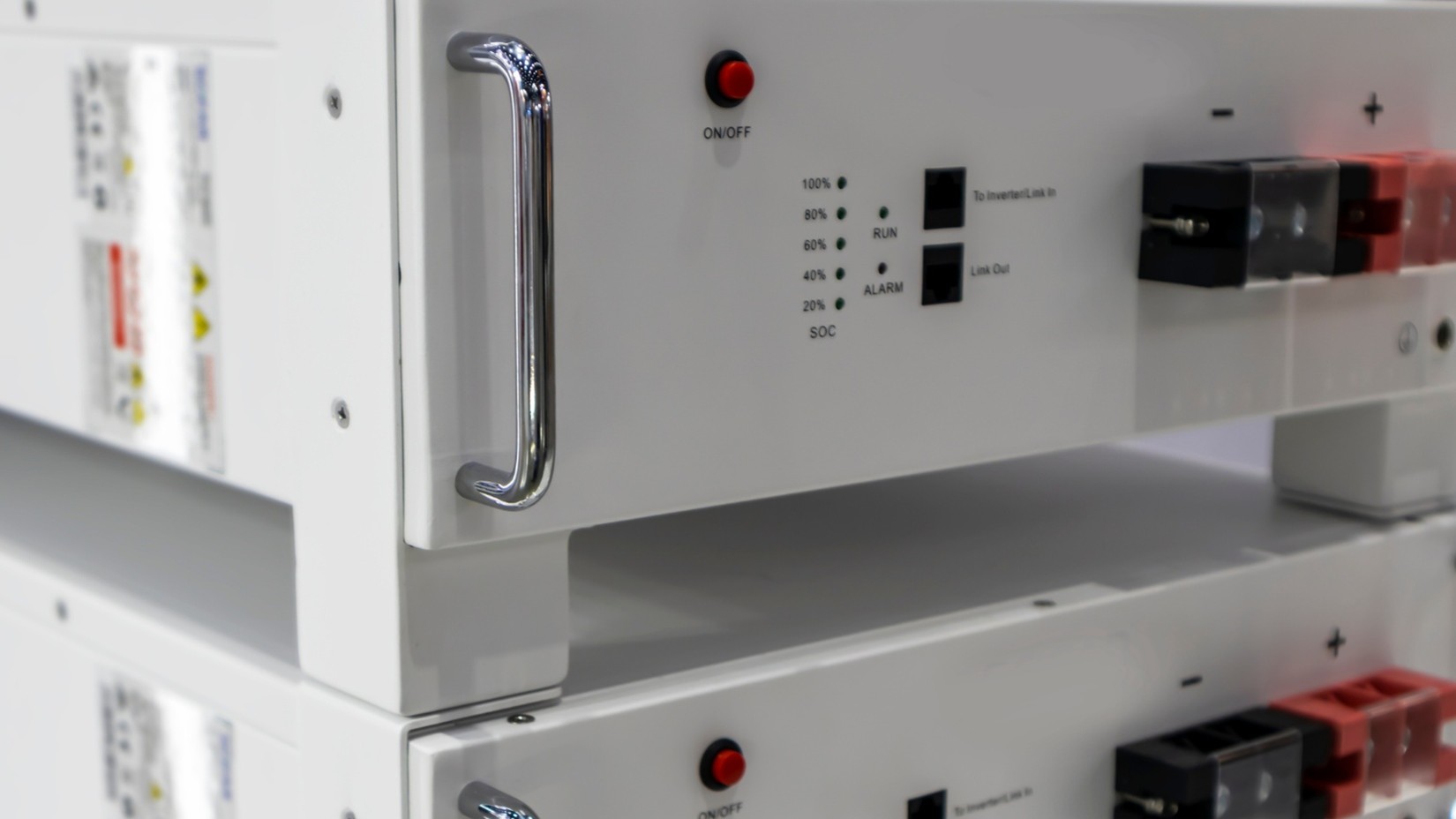
Portable generators and temporary power setups add another layer. Startup times vary. Load profiles shift. Environmental conditions affect performance.
In these cases, transfer speed isn’t about chasing the fastest possible number. It’s about consistency.
That’s where portable ATS rental in Jacksonville fits. It’s designed for environments where the setup isn’t permanent and conditions aren’t controlled.
How trailer-mounted systems affect transfer behavior
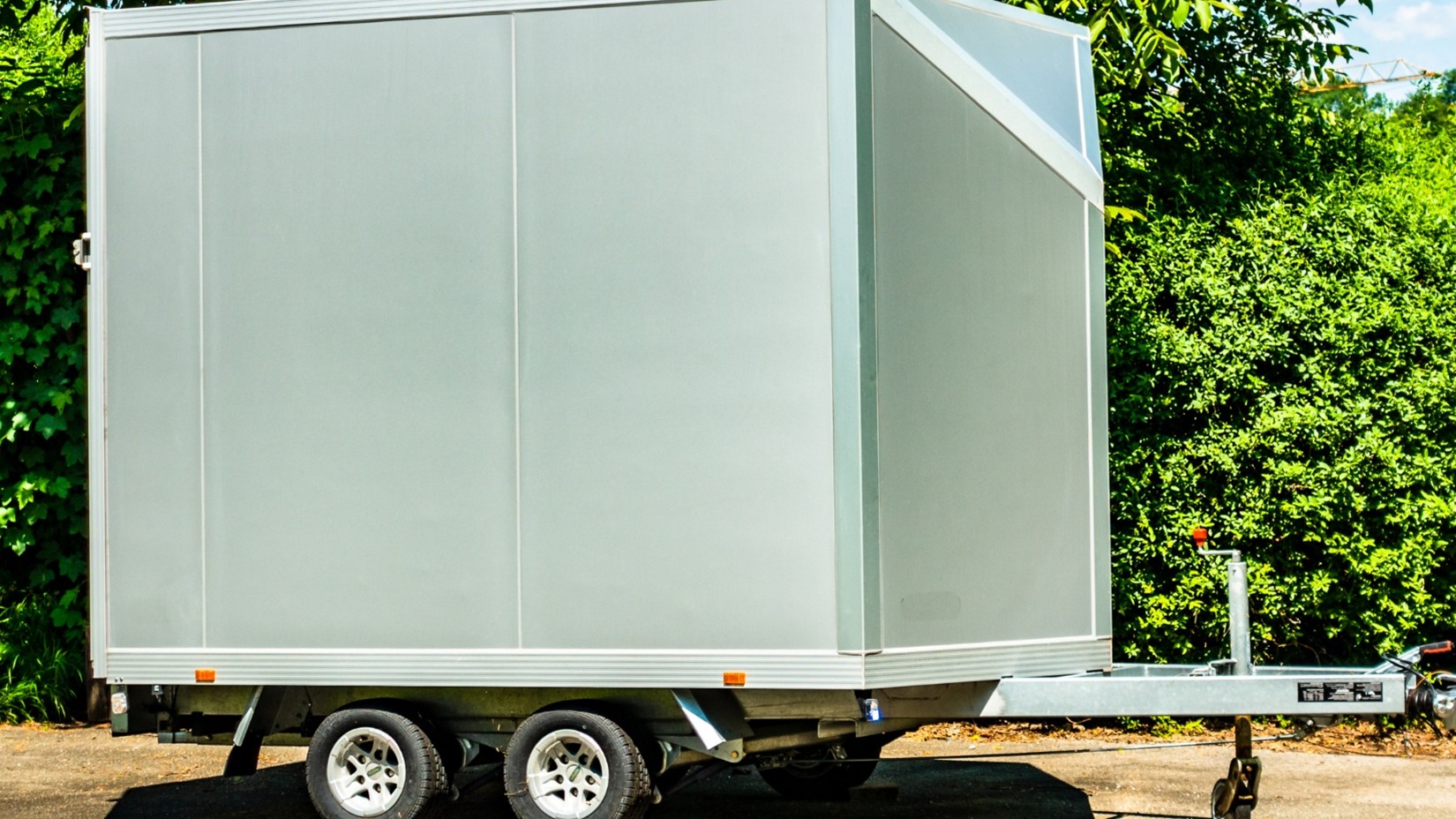
Trailer-mounted UPS systems can dramatically change how a transfer feels. They absorb startup delays and smooth out unstable power during the handoff.
That’s why UPS trailer mounted rental in Jacksonville is often used alongside ATS rentals. It’s not about making the switch faster. It’s about making the transition less disruptive.
When systems stay stable, people stop worrying about how many seconds the transfer takes.
When slow transfer is actually a warning sign
Sometimes slow transfer isn’t normal behavior. It’s a symptom.
Incorrect voltage sensing. Control wiring issues. Generator frequency problems. These can all delay transfer beyond what’s expected.
That’s why testing matters. Watching the system transfer under real conditions reveals problems before they cause downtime.
Many teams rely on ATS equipment rentals in Jacksonville during testing phases for exactly this reason.
Planning for realistic expectations
The right question isn’t “How fast can it switch?”
It’s “How fast does it need to switch for this site to function normally?”
Once that’s clear, the right combination of ATS, generator, and UPS becomes much easier to choose.
FAQ
How fast does an ATS usually transfer power?
Most systems transfer within 5 to 10 seconds.
Can an ATS transfer instantly?
Some specialized systems can, but most sites don’t need that.
Does a UPS make transfer faster?
No, but it makes the transition invisible.
Why does my system feel slow during transfer?
Generator startup or sensing delays are often the cause.
Is renting better for temporary projects?
Yes. It allows the system to adapt as conditions change.
Reach out to us online at Air Power Consultants or if you need a UPS Power rental? Call us at (913) 894-0044.
We help data centers. We help hospitals. We help businesses stay powered and protected.
We listen. We engineer. We deliver backup power solutions that keep you running, no matter what.

We’re here to help you be resilient, decrease downtime, and keep ahead of outages. For updates, analysis, and practical power plans, follow on LinkedIn.