This question usually comes up when someone is trying to keep things simple. A manual switch looks straightforward. It’s cheaper. It’s familiar. And for some sites, it’s enough. Until the first outage hits at the wrong time.
In Baltimore, where facilities range from older infrastructure to newer mixed-use spaces, this distinction matters more than people expect. It’s one of the reasons ATS equipment rentals in Baltimore stay in the conversation even when a manual option seems tempting.
- What an automatic transfer switch actually does
- How a manual transfer switch works in practice
- Why response time matters more than people think
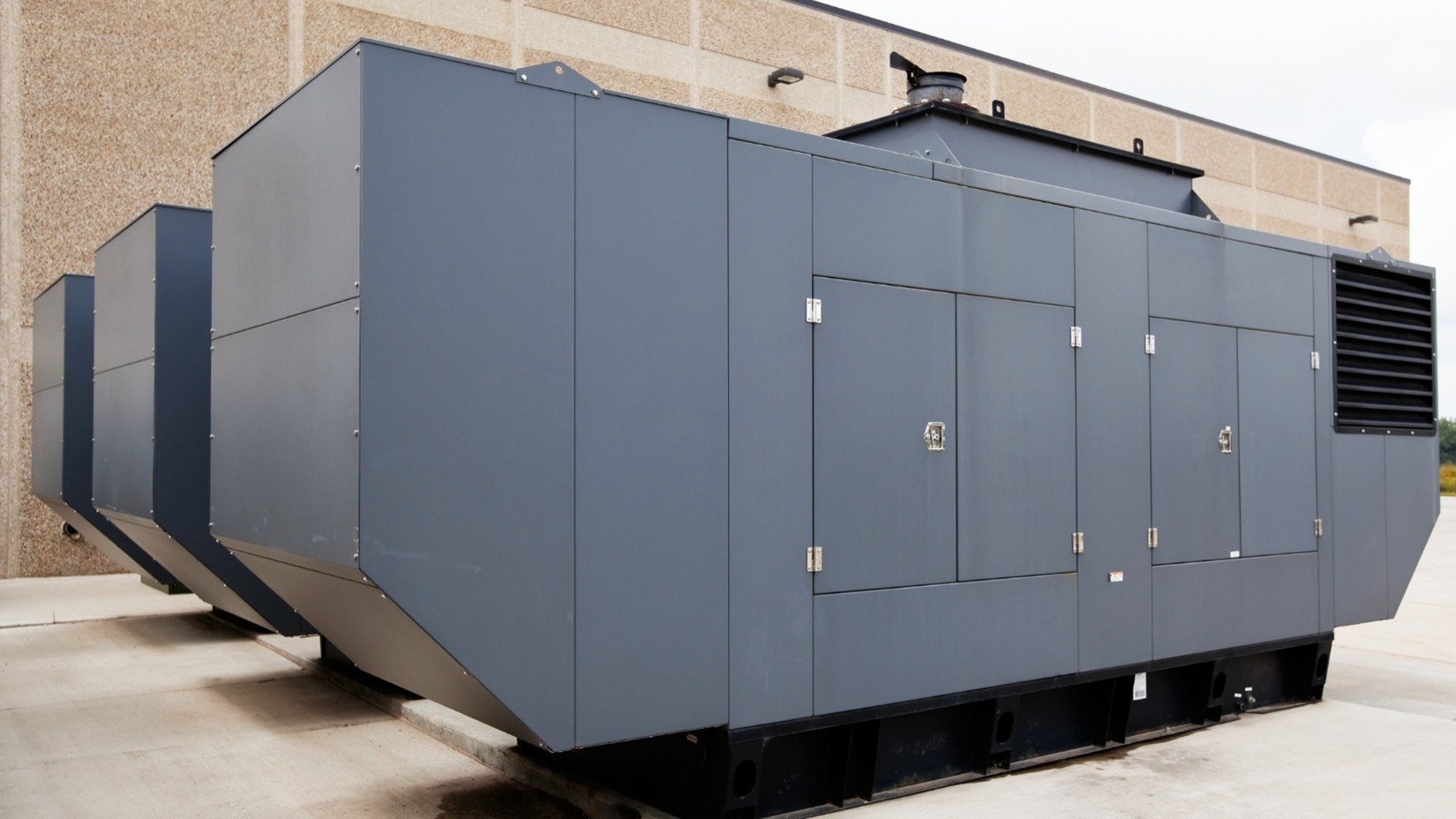
- The role of generators in the decision
- How a UPS changes the conversation
- Temporary power setups favor automation
- Cost differences aren’t just upfront
- Where manual transfer still makes sense
- Choosing based on risk, not habit
- FAQ
What an automatic transfer switch actually does
An UPS system rental in Baltimore with an automatic transfer switch monitors power continuously. When utility power drops outside acceptable limits, it signals the generator to start. Once the generator stabilizes, the ATS transfers the load automatically.
No one has to be present. No decision has to be made in the moment. The system responds based on conditions, not availability.
That automation is the main difference. And in many environments, it’s the difference between a smooth event and a disruptive one.
How a manual transfer switch works in practice
A portable ATS rental in Baltimore requires human action. Someone has to recognize the outage. Someone has to be on site. Someone has to throw the switch in the correct sequence.
In controlled environments, that can work fine. In real-world conditions, delays happen. People aren’t always available. And mistakes happen under pressure.
That’s why manual switches often look better on paper than they feel during an actual outage.
Why response time matters more than people think
Most outages don’t happen on schedule. They happen overnight. During storms. On weekends.
An ATS doesn’t care when the outage happens. It reacts the same way every time. A manual switch depends entirely on who is around and how quickly they respond.
For facilities that can’t afford downtime, that difference is critical. That’s where ATS equipment rentals in Baltimore tend to replace manual solutions during temporary or transitional periods.
The role of generators in the decision
Both ATS and manual switches work with generators. The difference is how the generator is integrated.
With an ATS, the generator starts automatically. With a manual switch, someone has to initiate that process or confirm it’s ready before transferring the load.
That delay can stretch longer than expected, especially if the generator needs time to stabilize. Automation removes that uncertainty.
This is why automatic transfer switch rental in Baltimore is often chosen when generator-backed systems are involved.
How a UPS changes the conversation
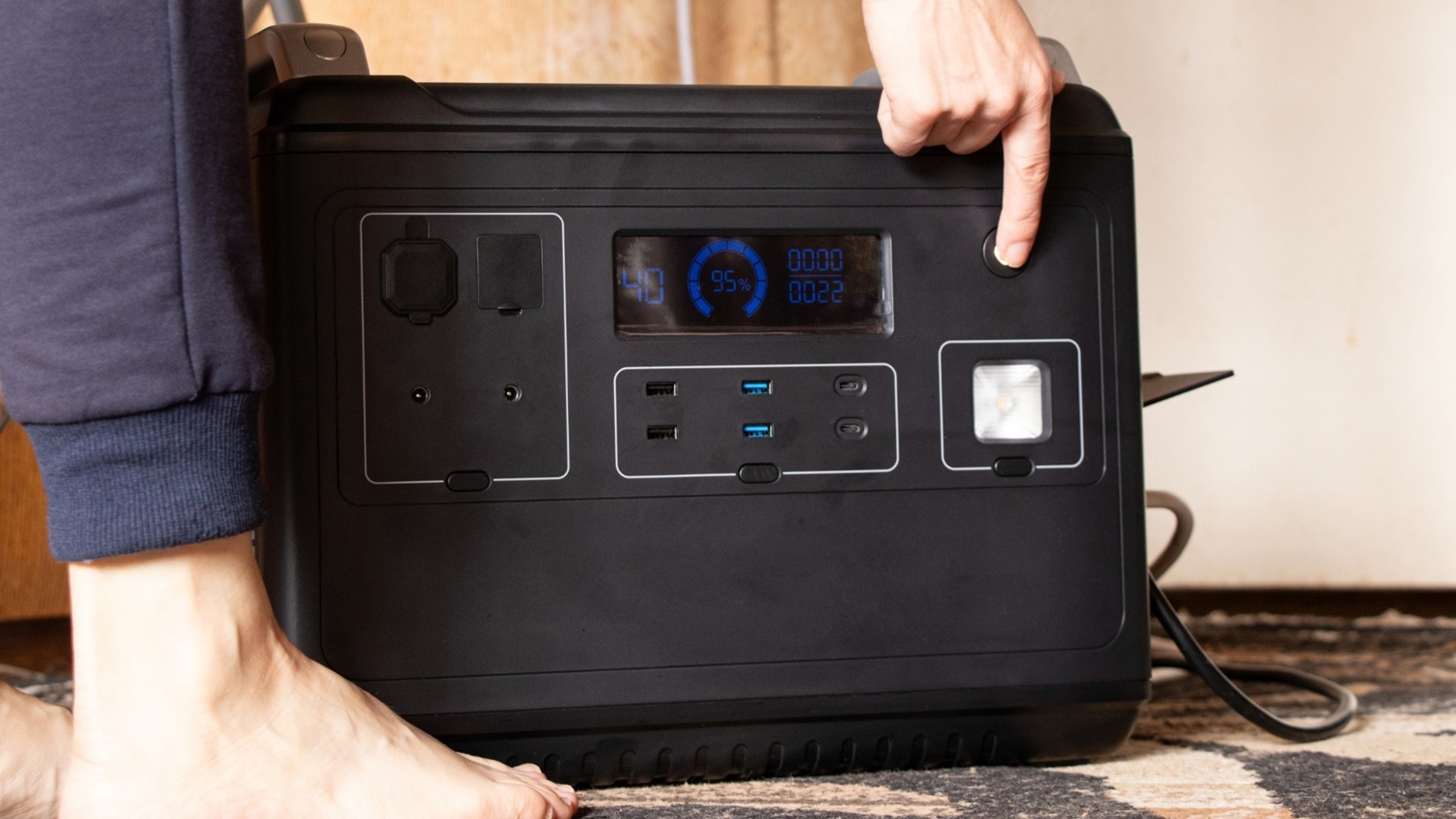
A UPS can soften the impact of delays. It carries the load while decisions are made. But it doesn’t replace the need for transfer.
If a manual switch is slow, the UPS eventually drains. If an ATS transfers automatically, the UPS simply bridges the gap.
That’s why ATS discussions often overlap with uninterrupted power supply rental in Baltimore planning. The systems work together, not against each other.
Temporary power setups favor automation
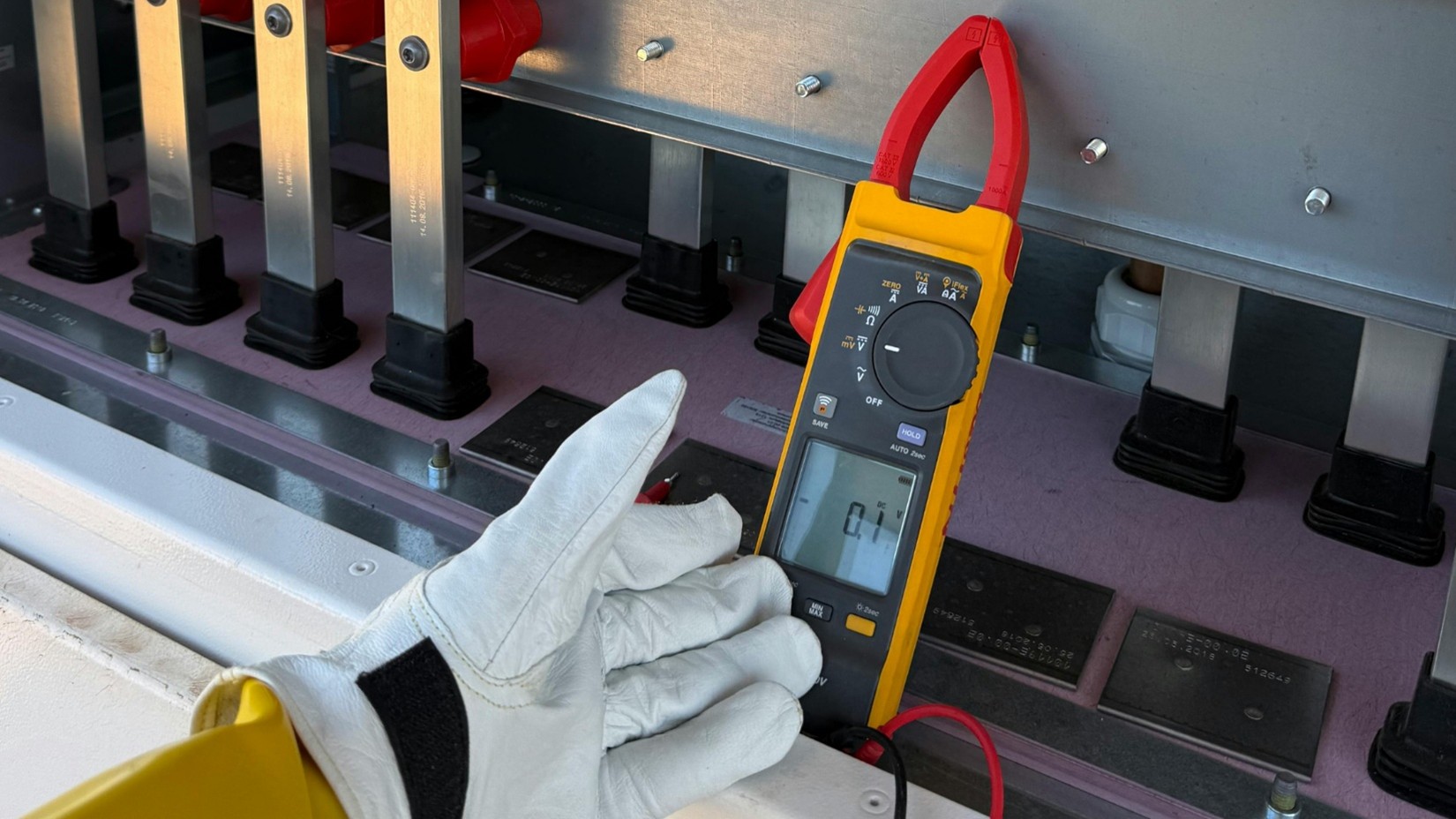
Temporary power setups are often less predictable than permanent ones. Equipment moves. Loads change. Access can be limited.
In these environments, relying on manual intervention adds risk. Automation keeps behavior consistent even when conditions shift.
That’s one reason ATS equipment rentals in Baltimore are commonly used during construction, upgrades, and maintenance windows instead of installing permanent manual switches.
Cost differences aren’t just upfront
Manual switches usually cost less upfront. But cost isn’t just about equipment price.
Downtime. Missed response windows. Restart delays. These all add cost when outages happen at the wrong time.
Renting an ATS spreads cost over time and avoids long-term commitment while still delivering automated behavior. For many sites, that tradeoff makes sense.
Where manual transfer still makes sense
Manual switches aren’t wrong by default. They work well when outages are rare, loads are non-critical, and staff are always present.
The problem is assuming those conditions will always be true. When they aren’t, the limitations show up quickly.
That’s why many UPS trailer mounted rental in Baltimore sites start with rentals. They experience automated transfer firsthand before deciding whether permanent installation is worth it.
Choosing based on risk, not habit
The real difference between an ATS and a manual switch isn’t complexity. It’s risk tolerance.
How long can the site be without power?
Who will be there when an outage happens?
What happens if transfer is delayed?
Answering those questions makes the choice clear.
FAQ
Is an ATS safer than a manual transfer switch?
It’s safer in terms of consistency and reduced human error.
Can a manual switch work with a generator?
Yes, but it requires human action.
Does a UPS replace the need for an ATS?
No. It only bridges short gaps.
Is renting better than buying for short-term needs?
Often, yes.
Who should decide between ATS and manual?
A qualified power or electrical professional.
Reach out to us online at Air Power Consultants or if you need a UPS Power rental? Call us at (913) 894-0044.
We help data centers. We help hospitals. We help businesses stay powered and protected.
We listen. We engineer. We deliver backup power solutions that keep you running, no matter what.

We’re here to help you be resilient, decrease downtime, and keep ahead of outages. For updates, analysis, and practical power plans, follow on LinkedIn.