This question usually comes up when people start layering backup power instead of relying on a single solution. A generator is planned. A UPS is discussed. Somewhere in the middle, the transfer switch enters the conversation. In San Jose, where power reliability is generally good, but demand is high, the answer is rarely a simple yes or no.
It depends on how the backup power is expected to behave. It depends on how long outages last. And it depends on whether the setup is permanent or temporary. That is why ATS equipment rentals in San Jose are part of so many power plans, even when teams are not sure they want to commit long term.
- Backup power does not fail. Transitions do.
- When a transfer switch is absolutely required
- When a transfer switch may not be required
- Why rentals fit San Jose projects well
- How ATS rentals work with UPS systems
- Temporary power setups change the requirements
- What happens when a transfer switch is skipped
- Choosing necessity over assumption
- FAQ
Backup power does not fail. Transitions do.
Most systems do not fail because there’s no backup power. They fail because the transition between power sources is rough.
Utility power dips. A generator takes a moment to stabilize. Systems drop during that gap. That gap is where a transfer switch earns its place.
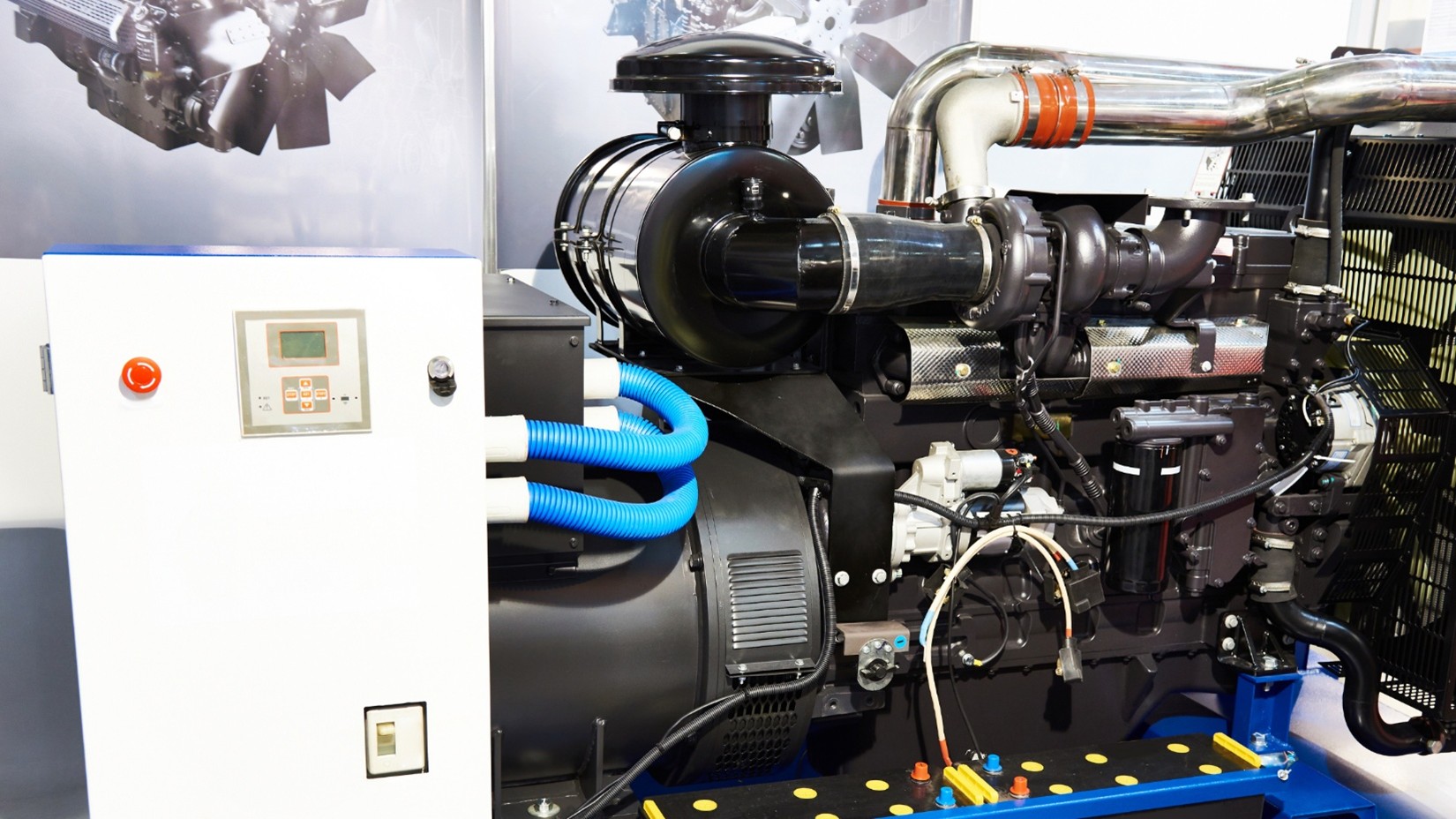
A transfer switch decides when power moves from one source to another. If the switch is missing, manual, or mismatched, the backup equipment may never get a chance to do its job.
That is the role ATS equipment rentals in San Jose play. They control the handoff, not the power itself.
When a transfer switch is absolutely required
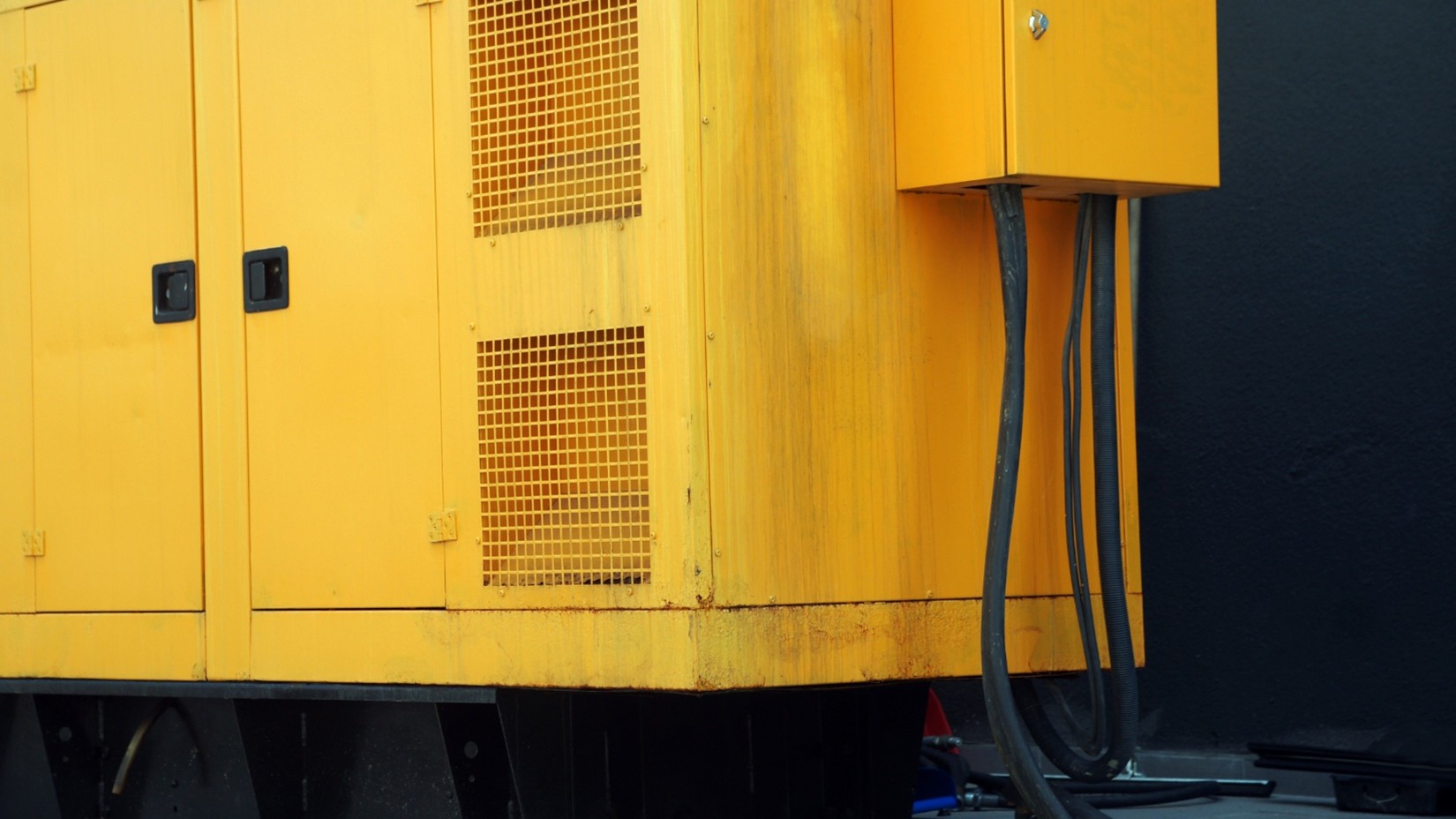
If a generator is expected to start automatically during an outage and power an entire facility, a transfer switch is required. There is no safe way around that.
The switch prevents back feeding into the grid. It protects equipment. It protects people working on utility lines. In these cases, the question is not whether a transfer switch is needed, but whether it should be permanent or temporary.
Many San Jose projects choose rentals because power needs change faster than infrastructure does.
When a transfer switch may not be required
Not every backup power setup is designed for long outages. Many sites are only concerned about short interruptions and unstable voltage.
In those cases, a UPS trailer mounted rental in San Jose often handles the risk. A UPS carries the load instantly and keeps systems stable through brief events. No generator. No transfer to manage.
That is why some teams rely on uninterrupted power supply rental in San Jose instead of building out a full generator and transfer switch system.
Why rentals fit San Jose projects well
San Jose projects tend to be phased. Upgrades happen in stages. Loads increase over time. Temporary power fills gaps while permanent systems are still being planned.
Permanent transfer switches lock decisions in early. Rentals keep things flexible.
With ATS equipment rentals in San Jose, the switch can match the current load and setup. If the plan changes, the equipment changes too. That matters in environments where timelines shift and power demands evolve.

How ATS rentals work with UPS systems
UPS systems and automatic transfer switch rental in San Jose are often used together. They are not competing solutions.
A UPS handles immediate interruptions. It bridges the gap while everything else stabilizes. The ATS manages the longer transition to generator power if needed.
Many sites pair ATS rentals with UPS system rental in San Jose so short interruptions never become system-wide problems.
Without the ATS, that coordination breaks down.
Temporary power setups change the requirements
Construction work. Maintenance windows. Equipment upgrades. These projects rarely justify permanent electrical changes.
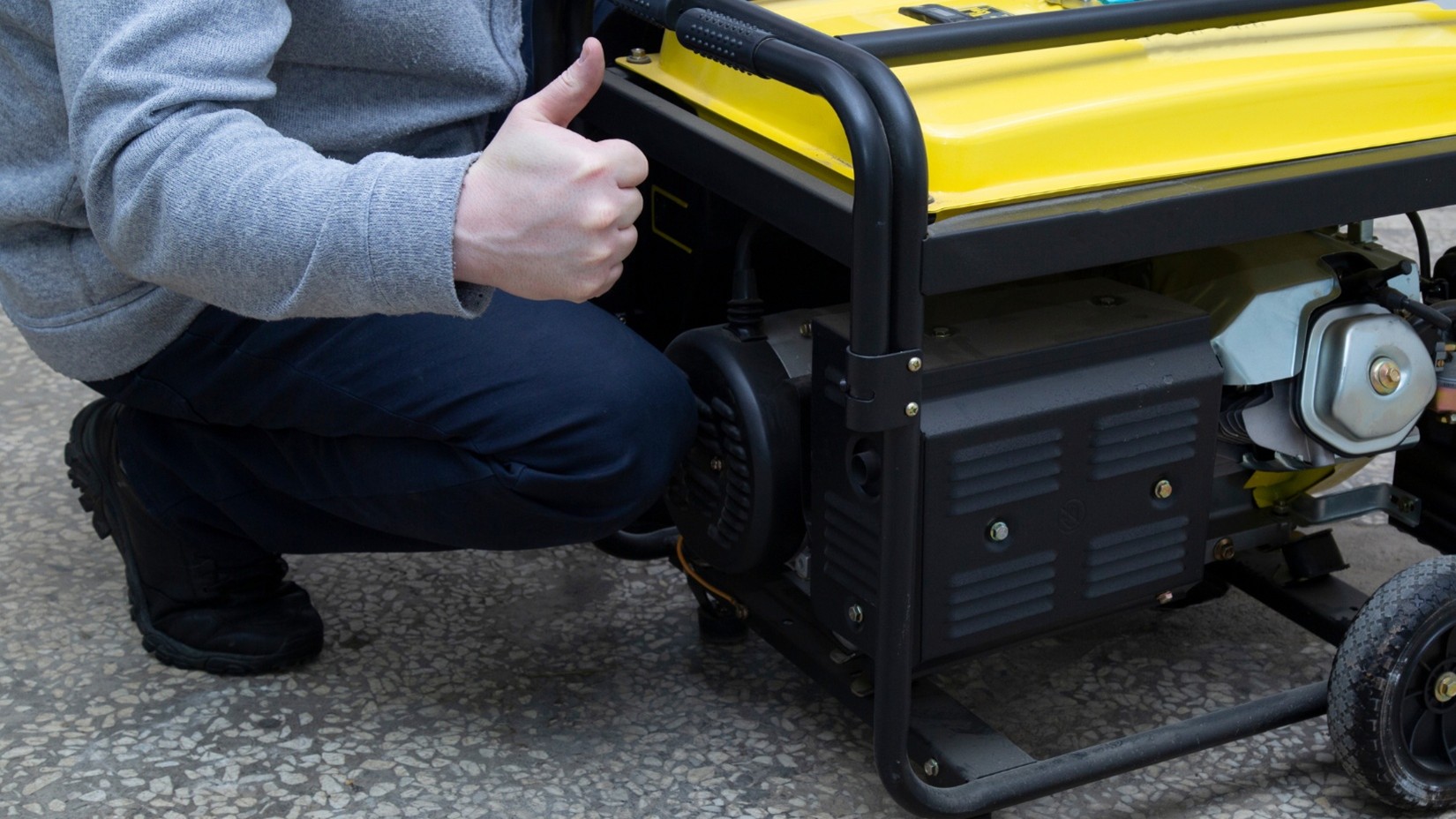
Temporary power setups are common in San Jose during these phases. Mobile generators. Portable UPS systems. Equipment that moves as work progresses.
Permanent transfer switches struggle here. ATS equipment rentals in San Jose allow teams to deploy transfer capability only when it is needed and remove it when the phase ends.
What happens when a transfer switch is skipped
When a transfer switch is skipped in a setup that needs one, problems show up fast.
Generators start but do not connect. Systems drop before backup power engages. Manual switching introduces delays and risk.
These failures are rarely dramatic. They are just disruptive enough to stall work and damage equipment.
Planning the transfer avoids that outcome.
Choosing necessity over assumption
The better question is not “Are transfer switches required?”
It is “What does this system need to behave the way we expect?”
Sometimes the answer is a permanent transfer switch. Sometimes it is a rental. Sometimes it is no transfer switch at all.
Understanding that difference keeps ATS equipment rentals from overbuilding or underbuilding their power plans.
FAQ
Is a transfer switch required for every generator?
If the generator is automatic and tied into a building, yes.
Can a UPS eliminate the need for a transfer switch?
For short interruptions, sometimes. For long outages, no.
Is renting an ATS safer than installing permanently?
It is just as safe when set up correctly, with less long-term commitment.
Do temporary projects need transfer switches?
Often yes, but rentals are usually the better fit.
Can I decide later whether to install permanently?
Yes. Many teams rent first, then decide.
We help data centers. We help hospitals. We help businesses stay powered and protected.
We listen. We engineer. We deliver backup power solutions that keep you running—no matter what.

Want to talk critical infrastructure? Fill out a form here or call us at (913) 894-0044. We’re here to help you be resilient, decrease downtime, and keep ahead of outages.
For updates, analysis, and practical power plans, follow Air Power Consultants on LinkedIn.