ATS equipment rentals in Kansas City is often the first thing facility managers start looking into when they’re told a utility upgrade is coming. It’s not because they want new equipment. It’s because they can’t afford even a few seconds of downtime.
Data centers don’t get a pause button. Power upgrades, grid work, or infrastructure changes still happen, but the expectation stays the same, everything stays online.
So how do they actually pull that off?
It’s usually not one piece of equipment. It’s a layered plan that covers every gap where failure could happen.
- Why planned outages still create real risk
- The role of temporary UPS during upgrades
- Using ATS Equipment Rentals in Kansas City to control the transition
- Layering redundancy instead of relying on one solution
- Planning matters more than equipment
- Why temporary solutions are preferred over permanent upgrades
- What happens if you skip this step
- The goal isn’t backup, it’s continuity
- FAQs
Why planned outages still create real risk
Utility companies try to schedule upgrades during lower demand windows. Late nights, weekends, off-peak seasons. That helps, but it doesn’t remove the risk.
Even a “controlled” shutdown introduces variables:
- Unexpected voltage drops
- Transfer delays between sources
- Equipment that doesn’t sync cleanly
- Human timing errors during switching
That’s where temporary systems step in. Not as backup for emergencies, but as active protection during the transition itself.
Teams using UPS rental in Kansas City aren’t waiting for failure. They’re preventing it before the first breaker is touched.
The role of temporary UPS during upgrades
Permanent UPS systems are already part of most data centers. But during a utility upgrade, those systems are exposed. They may need maintenance, reconfiguration, or isolation while work is being done.
That creates a gap.
Temporary UPS fills that gap.
Instead of relying on a single internal system, facilities bring in an external layer of battery-backed support. This keeps power consistent while internal systems are adjusted or taken offline briefly.
It’s common to see setups that include:
- Parallel UPS units for redundancy
- External battery cabinets for extended runtime
- Load banks to test transitions before going live
Using UPS system rental in Kansas City gives operators flexibility. They can scale protection based on the size of the upgrade instead of pushing permanent systems beyond their limits.
Using ATS Equipment Rentals in Kansas City to control the transition
Power doesn’t just need to stay on. It needs to transfer cleanly.
That’s where automatic transfer switches come in.
During a utility upgrade, there are usually multiple power sources involved:
- Utility feed
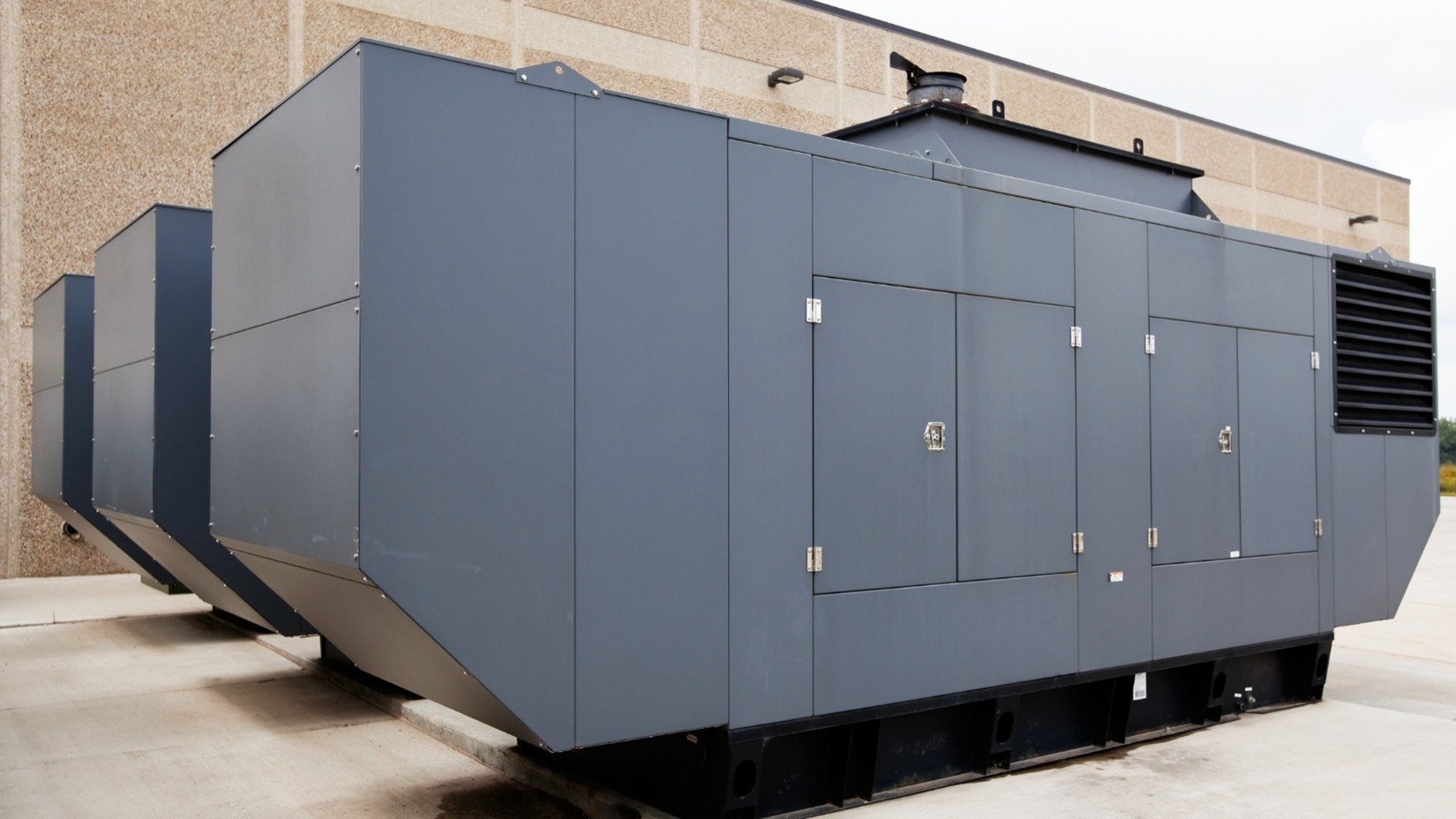
- Temporary generators
- Temporary UPS systems
- Permanent backup systems
Switching between these without interruption takes precision.
ATS equipment rentals in Kansas City allows facilities to control exactly how and when those transfers happen. Instead of manual switching, which introduces delays, ATS units detect changes and shift loads instantly.
This is especially important when:
- Utility power is being disconnected in stages
- Systems need to move between temporary and permanent sources
- Load balancing is required across multiple feeds
Without that control, even a strong UPS setup can’t prevent disruption if the transfer itself fails.
Layering redundancy instead of relying on one solution
One mistake people make is assuming a generator alone solves the problem.
Generators take time to start. Even a few seconds is too long for sensitive equipment. That’s why they’re almost always paired with UPS systems.
But during upgrades, even that pairing can fall short if not planned correctly.
A typical layered setup might look like this:
- Temporary UPS carries the load instantly
- Generator starts and stabilizes
- ATS shifts load smoothly to generator
- Utility work is completed
- System transitions back in controlled steps
Facilities using automatic transfer switch rental in Kansas City can script these transitions instead of reacting to them.
That’s the difference between hoping everything works and knowing it will.
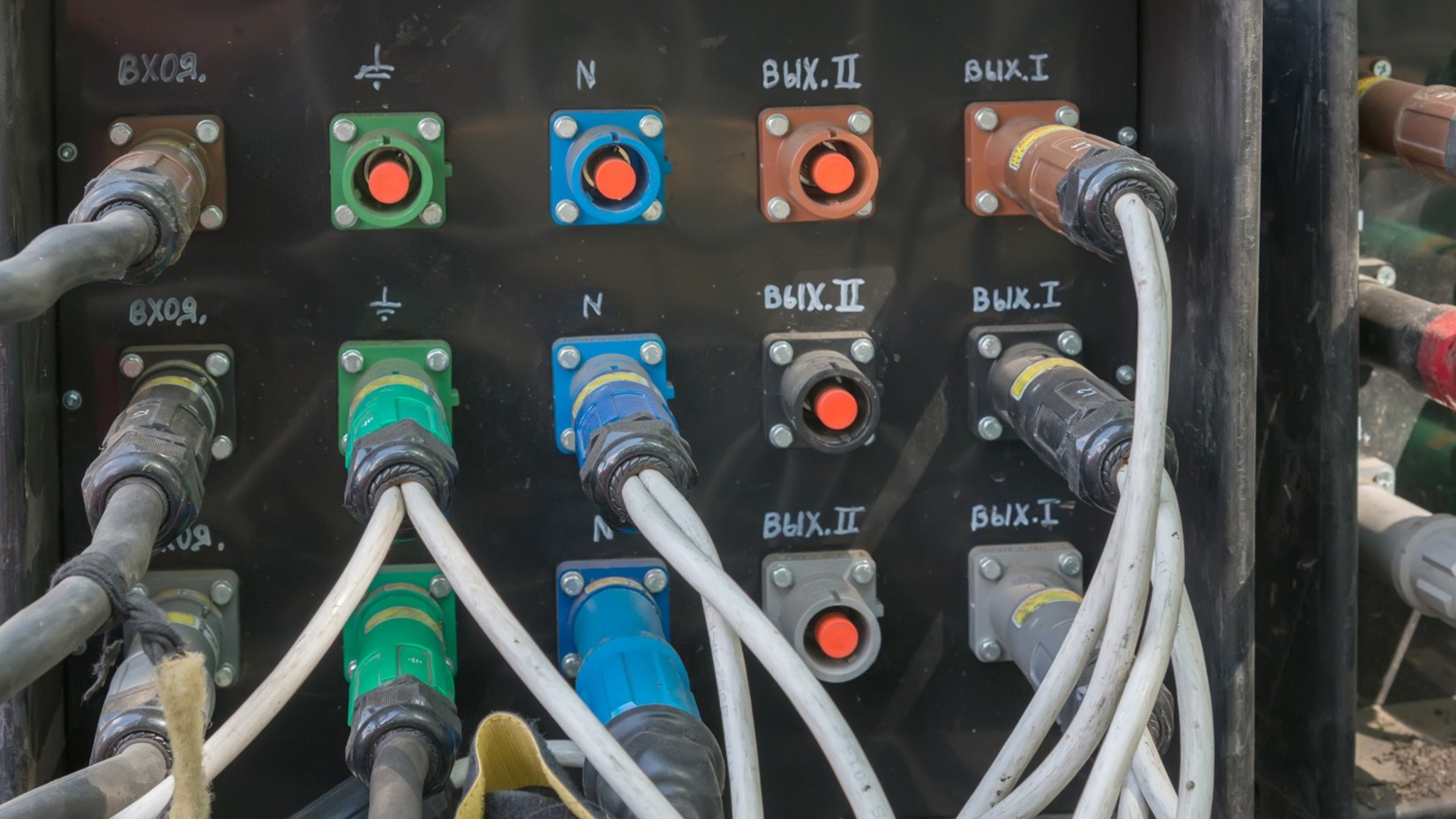
Planning matters more than equipment
The equipment is only half the story.
What really keeps data centers online is the planning that happens before anything is installed.
Teams usually map out:
- Exact load requirements
- Duration of the upgrade window
- Points where systems will be disconnected
- Backup paths for each stage
They also run tests before the actual upgrade begins. Simulated transfers. Load testing. Failure scenarios.
Facilities that rely on UPS power rental in Kansas City often do full dry runs to confirm everything behaves as expected under real conditions.
Because once the upgrade starts, there’s no room to troubleshoot.
Why temporary solutions are preferred over permanent upgrades
It might seem logical to just upgrade permanent systems instead of renting equipment.
But that’s not always practical.
Permanent upgrades:
- Take longer to install
- Require downtime themselves
- Lock you into a fixed capacity
Temporary systems give flexibility.
With UPS trailer mounted rental in Kansas City, facilities can bring in high-capacity systems quickly, use them during the upgrade, and remove them once the work is complete.
No long-term commitment. No overbuilding.
Just the right amount of protection for the job.
What happens if you skip this step
It doesn’t always fail immediately.
Sometimes everything looks fine, until the moment of transfer.
That’s when issues show up:
- Systems reboot unexpectedly
- Voltage dips cause hardware faults
- Network interruptions ripple across systems
And once that happens, recovery isn’t instant.
That’s why ATS equipment rentals in Kansas City shows up so often in upgrade planning conversations. It’s not extra. It’s protection against the exact moment things tend to go wrong.
The goal isn’t backup, it’s continuity
There’s a difference between having backup power and maintaining continuity.
Backup reacts after failure.
Continuity prevents failure from being visible at all.
Data centers aim for the second.
Using ATS equipment rentals alongside temporary UPS and controlled transfer systems allows facilities to move through major electrical changes without users ever noticing.
That’s the standard now.
No alerts. No downtime. No disruption.
Just systems that keep running while everything behind the scenes is being rebuilt.
FAQs
Do data centers shut down during utility upgrades?
Usually not. Most plan around the upgrade by bringing in temporary power systems. The goal is to keep everything running while the work happens in the background.
How long are temporary UPS systems used during upgrades?
It depends on the scope. Some projects take a day. Others stretch across multiple phases over several weeks. The equipment stays in place as long as there’s risk during transitions.
Is ATS equipment always required for these projects?
Most of the time, yes. Clean power transfer is where failures tend to happen. ATS systems handle that switching automatically, which reduces the chance of human error.
Reach out to us online at Air Power Consultants or if you need a UPS Power rental? Call us at (913) 894-0044. We help data centers. We help hospitals. We help businesses stay powered and protected. We listen. We engineer. We deliver backup power solutions that keep you running, no matter what.

We’re here to help you be resilient, decrease downtime, and keep ahead of outages. For updates, analysis, and practical power plans, follow on LinkedIn.