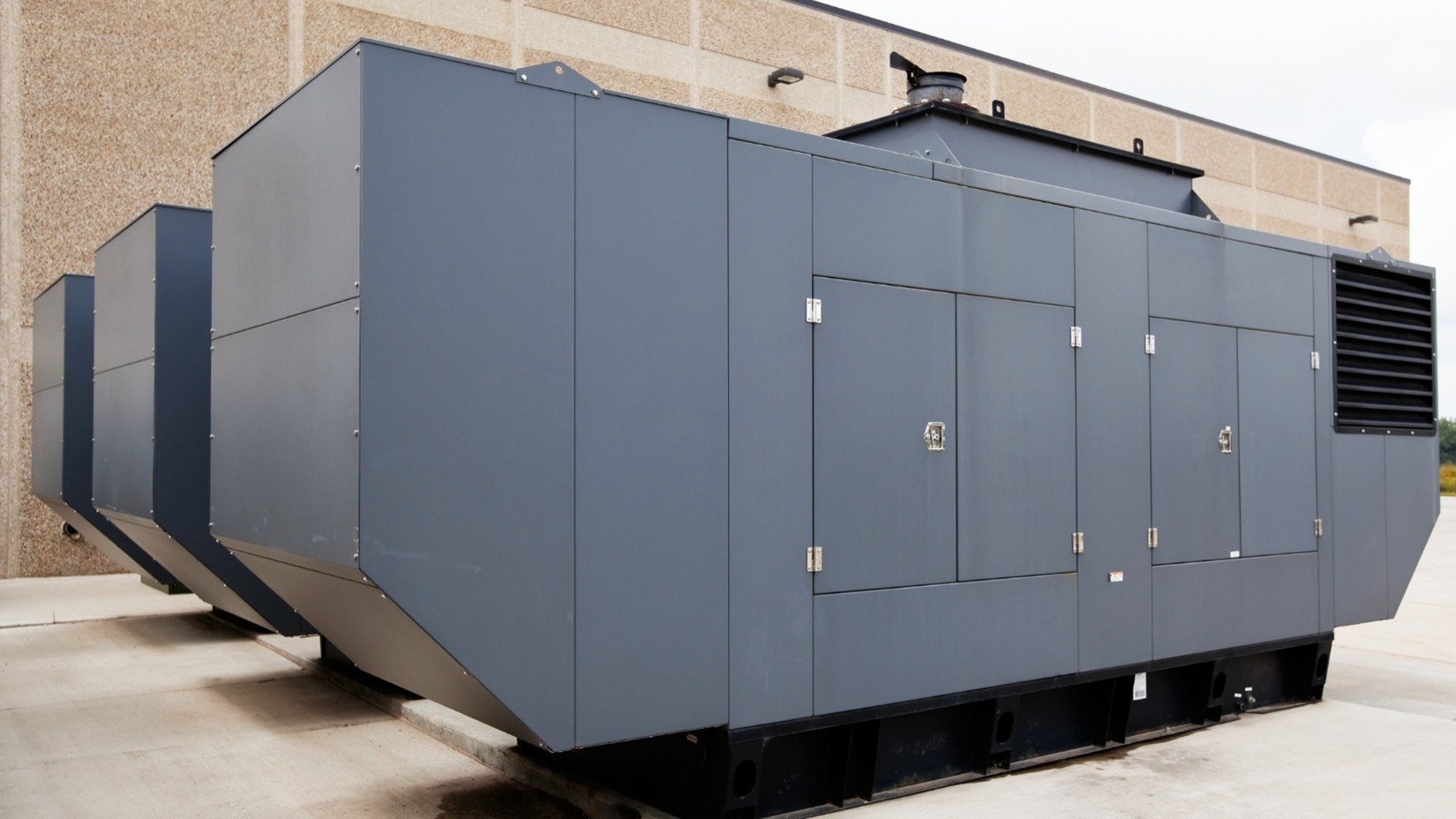
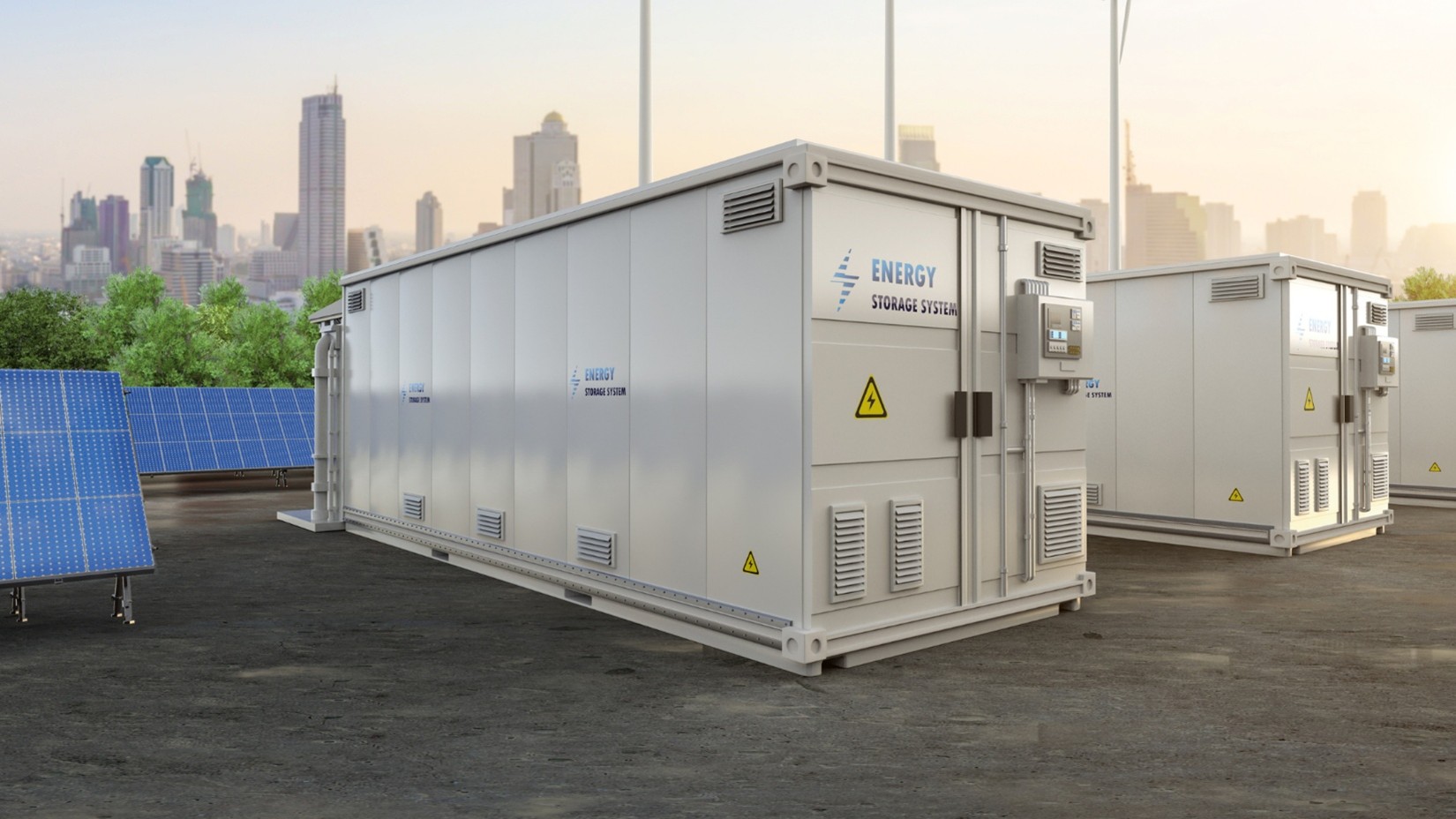
ATS equipment rentals in Minneapolis is something many facility managers don’t think about until winter actually hits. Then the problems start showing up, slow starts, weak batteries, systems that don’t respond the way they did a few months earlier.
Cold weather doesn’t just make things uncomfortable. It changes how backup power systems behave.
And in Minneapolis, those conditions don’t last a day or two. They stick around long enough to expose every weak point in your setup.
- Why cold weather affects power systems differently
- Battery performance drops in the cold
- Generators don’t always start as expected
- The biggest risk happens during transitions
- Why ATS Equipment Rentals in Minneapolis help stabilize winter operations
- Cold weather increases demand at the worst time
- Temporary systems reduce strain on permanent equipment
- Planning ahead prevents winter failures
- What happens without proper winter planning
- It’s about reliability, not just backup
- FAQs
Why cold weather affects power systems differently
Heat gets a lot of attention, but cold introduces its own set of challenges.
Low temperatures can impact:
- Battery capacity
- Fuel performance in generators
- Lubrication in mechanical systems
- Electrical response times
Facilities looking into UPS rental in Minneapolis are usually trying to solve one issue: systems that should work… but don’t respond the same in freezing conditions.
Battery performance drops in the cold
UPS systems depend on batteries, and cold weather reduces how effective those batteries are.
At lower temperatures, batteries:
- Deliver less usable capacity
- Discharge more slowly
- Struggle under sudden load demands
That means a UPS that normally supports your system for a certain runtime may fall short during winter.
Using UPS system rental in Minneapolis gives facilities access to systems that are tested and maintained for reliable performance, even when temperatures drop.
Generators don’t always start as expected
Cold weather can make generators harder to start.
Issues often include:
- Thickened engine oil
- Fuel gelling in diesel systems
- Battery weakness affecting ignition
Even when generators do start, they may take longer to reach stable output.
Facilities using UPS power rental in Minneapolis rely on UPS systems to carry the load during that startup period.
Without that buffer, systems can drop before the generator is fully operational.
The biggest risk happens during transitions
Power loss isn’t the only concern.
Switching between power sources in cold weather can be less predictable.
That includes transitions between:
- Utility power
- Backup generators
- Temporary systems
Delays or inconsistencies during these moments can cause interruptions.
That’s where switching control becomes critical.
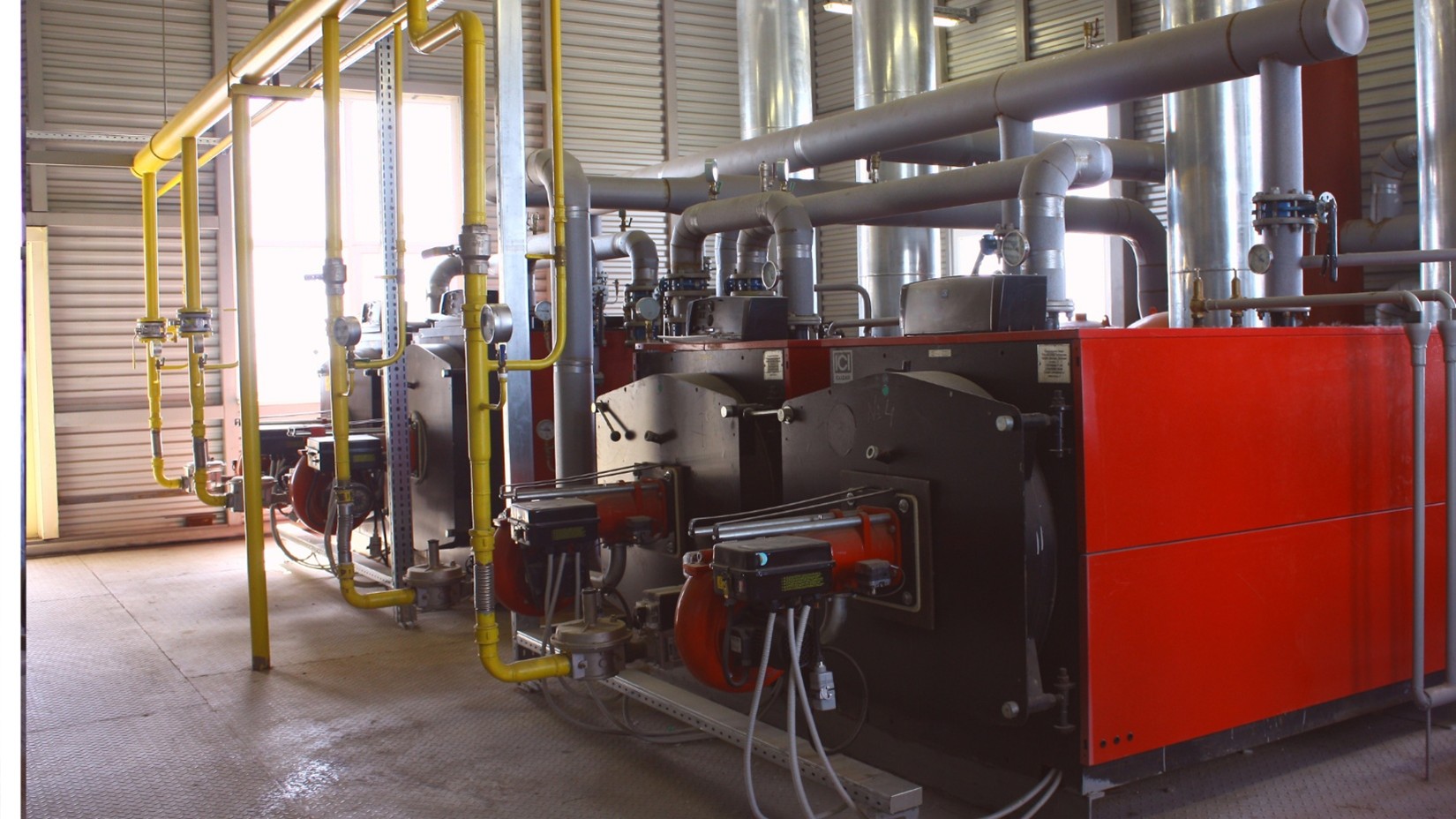
Why ATS Equipment Rentals in Minneapolis help stabilize winter operations
ATS equipment rentals in Minneapolis allow facilities to automate how power transfers between sources.
Instead of relying on manual switching, ATS systems:
- Detect outages instantly
- Transfer loads without delay
- Reduce the chance of power drops during transitions
This is especially useful in winter when equipment may respond slower than usual.
Cold weather increases demand at the worst time
Winter doesn’t just affect supply, it increases demand.
Heating systems, lighting, and operational loads often rise during colder months.
That puts extra pressure on:
- Generators
- UPS systems
- Electrical distribution
Facilities using portable ATS rental in Minneapolis can adjust their setup to handle these changing demands without overloading existing systems.
Temporary systems reduce strain on permanent equipment
Permanent systems run year-round. Winter pushes them harder.
Temporary solutions help distribute that load.
With UPS trailer mounted rental in Minneapolis, facilities can:
- Add extra capacity during peak winter demand
- Reduce wear on internal systems
- Maintain performance during extreme conditions
Once temperatures rise, those systems can be removed.
Planning ahead prevents winter failures
Cold-related issues rarely happen without warning.
Facilities that prepare early usually:
- Test generators in cold-start conditions
- Inspect battery health before winter begins
- Add temporary support where needed
- Verify switching systems work under load
Teams relying on ATS equipment rentals in Minneapolis often run full transition tests before temperatures drop.
That preparation makes a difference when conditions become unpredictable.
What happens without proper winter planning
Systems may still work, but with less margin for error.
Common problems include:
- Reduced UPS runtime
- Generators failing to start quickly
- Delayed power transfers
- Equipment stress from repeated cold starts
And these issues tend to show up when demand is highest.
That’s when downtime becomes more likely.
It’s about reliability, not just backup
Cold weather doesn’t require entirely new systems. It requires reliable ones.
Facilities that stay operational through Minneapolis winters focus on:
- Immediate response with UPS systems
- Reliable startup with generators
- Controlled transitions with ATS equipment
Using ATS equipment rentals in Minneapolis alongside temporary UPS support helps keep systems stable, even when temperatures aren’t.
FAQs
Does cold weather really affect UPS batteries?
Yes. Cold temperatures reduce battery capacity, which can shorten runtime and affect performance during outages.
Why do generators struggle in winter?
Cold conditions can thicken oil, affect fuel, and weaken starting batteries, making it harder for generators to start and stabilize.
How can facilities prepare backup systems for winter?
Most test equipment early, check battery health, and add temporary systems to support performance during extreme cold.
Reach out to us online at Air Power Consultants or if you need a UPS Power rental? Call us at (913) 894-0044. We help data centers. We help hospitals. We help businesses stay powered and protected. We listen. We engineer. We deliver backup power solutions that keep you running, no matter what.

We’re here to help you be resilient, decrease downtime, and keep ahead of outages. For updates, analysis, and practical power plans, follow on LinkedIn.