When people think about backup power, they usually think locally. One site. One building. One problem to solve. At a national level, power planning looks different. Projects span regions. Conditions vary. Infrastructure changes from city to city. That is where ATS equipment rentals become more than a technical detail. They become a way to keep power strategies consistent across very different environments.
An automatic transfer switch does not get much attention until something fails. But when power drops, it decides whether backup systems actually take over or whether everything goes dark while people try to figure out what happened. At scale, that moment gets repeated over and over again.
National operations feel those moments quickly.
- Power problems scale faster than people expect
- What an ATS actually controls in large operations
- Why renting works better than permanent installs at scale
- How ATS rentals support generators and UPS systems
- Mobility and standardization across locations
- Load sizing becomes critical at scale
- Supporting planned maintenance and large rollouts
- Planning for transfer instead of reacting to failures
- FAQ
Power problems scale faster than people expect
At a single site, a short outage might be an inconvenience. Across multiple locations, it becomes a pattern. Voltage dips. Utility switching. Local grid strain. Each event may be small, but the impact adds up.
Generators and portable ATS rental only help if power transfers cleanly. Without a reliable transfer strategy, backup equipment exists but does not engage consistently. That inconsistency is where downtime grows.
This is why ATS equipment rentals are often used to standardize how power transfers happen across multiple sites instead of relying on a mix of permanent infrastructure.
What an ATS actually controls in large operations
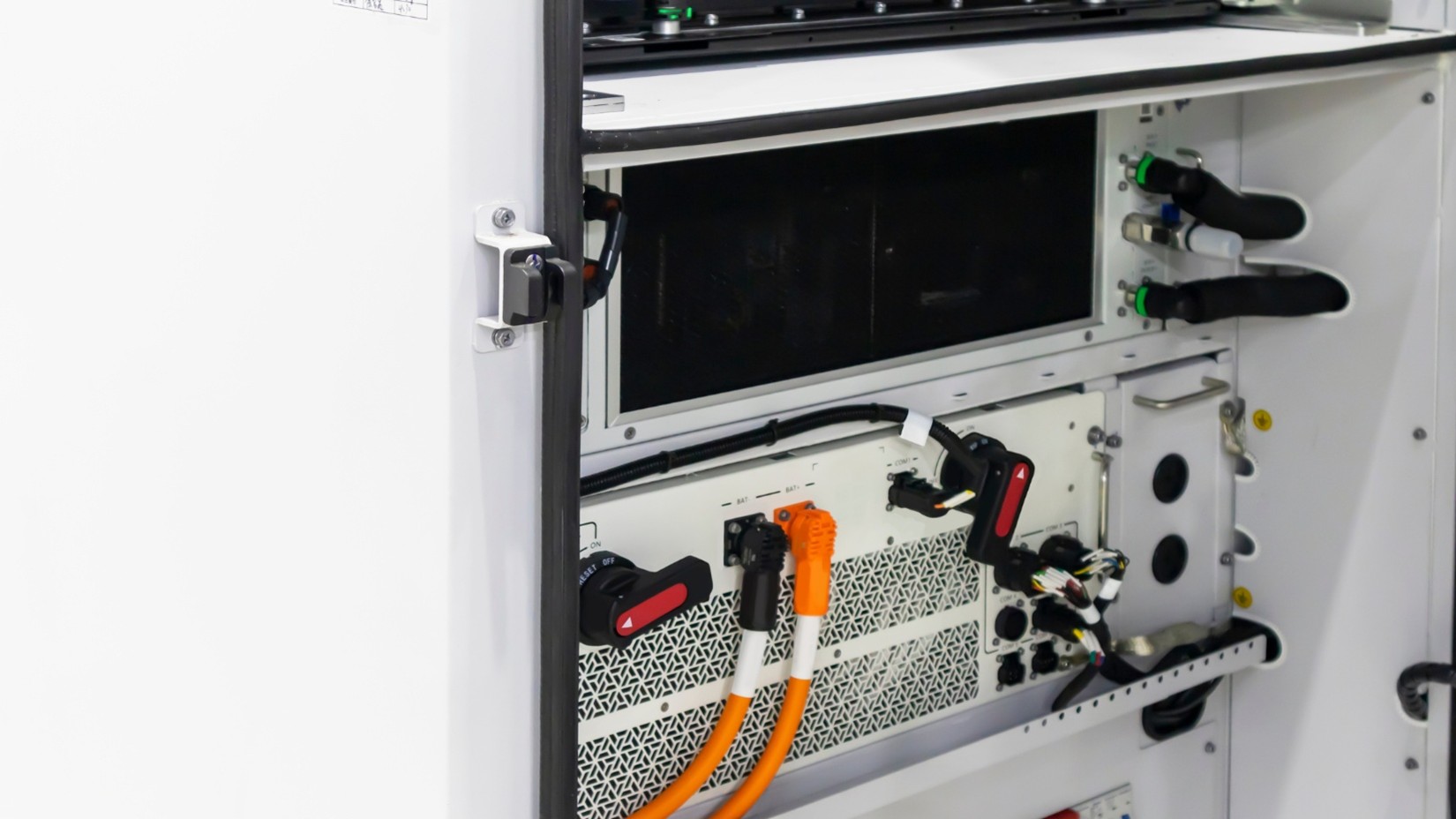
An ATS monitors incoming utility power and decides when to move loads to backup sources. When power stabilizes, it switches everything back. That decision happens automatically and fast.
In national deployments, consistency matters more than anything. Different facilities may use different generators or UPS systems, but the transfer behavior needs to feel the same everywhere.
Using ATS equipment rentals allows teams to deploy known configurations instead of hoping each location’s installed equipment behaves the same way.
Why renting works better than permanent installs at scale
Permanent ATS installations vary by site. Age. Manufacturer. Configuration. Over time, that variation creates risk.
Renting allows organizations to bring in transfer switches that are sized and configured for current needs instead of whatever happens to be installed. If loads change or strategies evolve, the equipment can change too.
That flexibility is one of the main reasons ATS equipment rentals make sense for national projects, temporary rollouts, and large maintenance efforts.
How ATS rentals support generators and UPS systems
Backup power systems rarely work alone. A UPS handles short interruptions. A generator handles long outages. The ATS connects them.
Many national operations rely on uninterrupted power supply rental to protect sensitive systems during brief disruptions. Without a properly configured ATS, that protection can still fail during transitions.
The ATS ensures that power only moves when it should and only after backup sources are ready.
Mobility and standardization across locations
National projects often involve temporary sites. Remote work. Infrastructure upgrades that move from one location to another. Fixed infrastructure does not adapt well to that pace.
ATS rentals allow teams to deploy consistent transfer solutions wherever they are needed. When paired with mobile systems like UPS trailer mounted rental, power protection can move with the project instead of slowing it down.
That consistency reduces surprises as teams move from site to site.
Load sizing becomes critical at scale
Small sizing mistakes are manageable at one location. At scale, they multiply. An ATS that is undersized or mismatched creates repeat failures instead of isolated ones.
Renting helps control that risk. ATS units are selected based on actual load requirements instead of assumptions. If conditions change, the equipment can be adjusted without rewriting long-term plans.
This approach works especially well alongside UPS system rental when capacity needs fluctuate across regions.
Supporting planned maintenance and large rollouts
National maintenance projects often involve coordinated shutdowns and upgrades. Power feeds are rerouted. Temporary equipment is introduced. Systems are tested under pressure.
These moments are when power issues surface. ATS rentals manage transitions automatically and reduce reliance on manual switching. That consistency matters when teams are working across time zones and locations.
Many organizations pair ATS rentals with automatic transfer switch rental programs designed to standardize equipment across sites.
Planning for transfer instead of reacting to failures
Most power problems cause the most damage during the transition, not the outage itself. Systems drop. Restarts take longer than expected. Productivity slips.
Using ATS equipment rentals allows national teams to plan for those transitions instead of hoping local infrastructure behaves correctly. That planning reduces downtime and keeps operations moving even when conditions vary widely.
At scale, that preparation matters.
FAQ
Are ATS rentals only useful for large companies?
No. They are used anywhere consistent power transfer is important, including temporary and regional projects.
Can ATS rentals work with different generators and UPS systems?
Yes. Rentals are selected to match the specific equipment being used.
Is renting better than owning for national use?
Often yes. Renting avoids variation between sites and keeps equipment current.
Do ATS rentals support temporary deployments?
Yes. Mobility is one of their main advantages.
Can ATS equipment be adjusted as loads change?
Yes. Renting allows capacity and configuration to evolve with the project.
We help data centers. We help hospitals. We help businesses stay powered and protected.
We listen. We engineer. We deliver backup power solutions that keep you running—no matter what.

Want to talk critical infrastructure? Fill out a form here or call us at (913) 894-0044.
We’re here to help you be resilient, decrease downtime, and keep ahead of outages.
For updates, analysis, and practical power plans, follow Air Power Consultants on LinkedIn.